The tension on Britain's coastline has officially boiled over. When masked demonstrators blocked roads and clashed with police in places like Dover and Portsmouth following small boat arrivals, it wasn't just another weekend news cycle. It marked a volatile escalation in how immigration friction manifests on our streets.
Government ministers were quick to condemn the demonstrations as thuggish and intimidating, drawing a sharp line between lawful assembly and outright public disorder. Yet, writing off these riots as simple acts of hooliganism ignores the deeper structural rot in how the nation handles border policy and public anger. If you look past the burning flares and blocked traffic, you find a society completely gridlocked by a migration debate that satisfies almost no one.
The Reality on the Ground
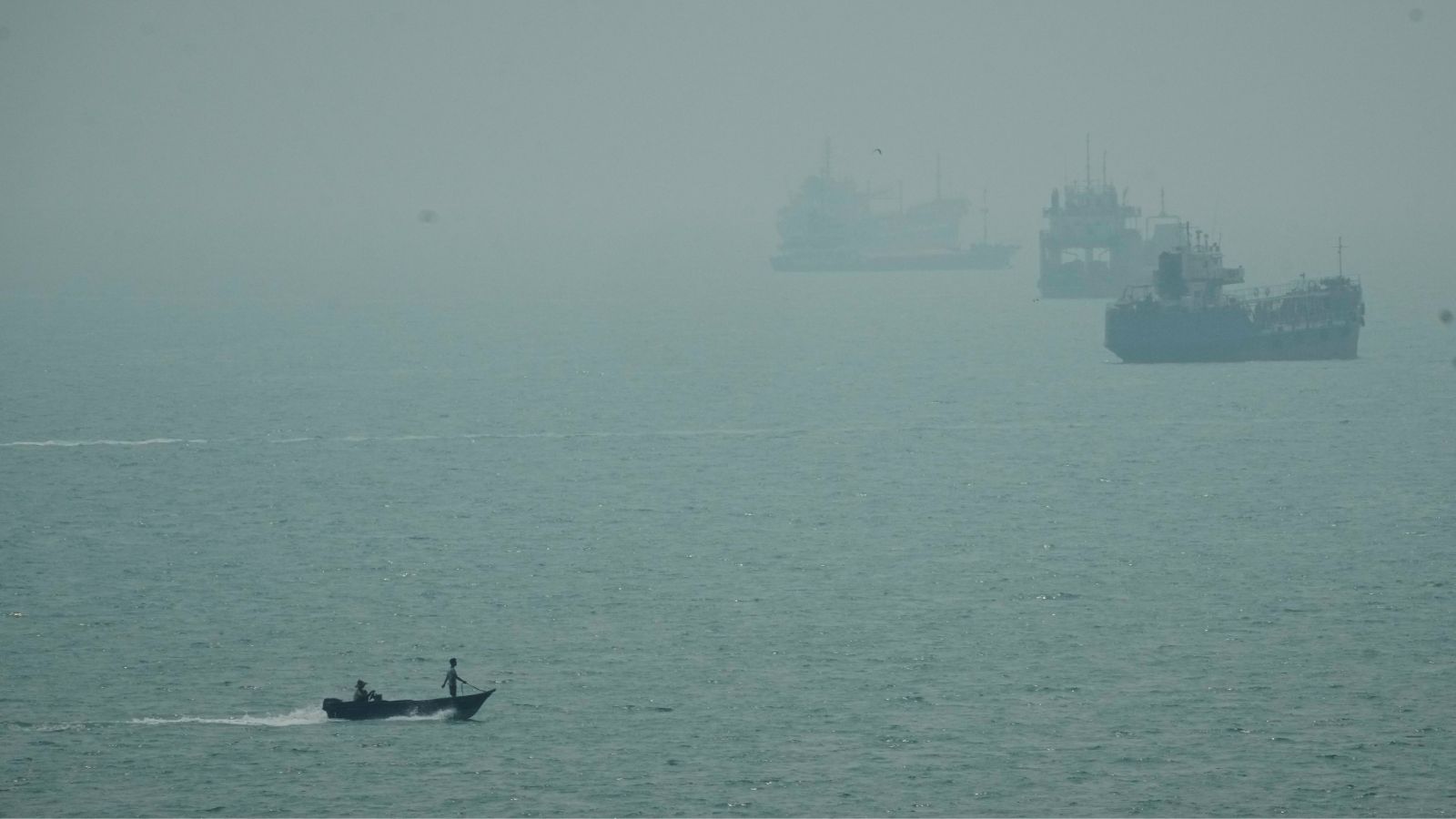
Let's look at the facts. Small boat crossings across the English Channel remain a massive political pressure point. Thousands of asylum seekers make the perilous journey annually, landing on southern shores and instantly feeding into a backlogged processing system. Local communities feel stretched to their absolute limits, and public services are visibly strained.
When a dinghy lands in an unexpected port like Portsmouth, it triggers an immediate local crisis. Frustration mounts because citizens feel powerless. But venting that frustration by throwing bricks at emergency workers or blockading public transport accomplishes nothing except handing politicians an easy excuse to change the subject.
The official political response follows a predictable script. Ministers stand up on morning television, declare that peaceful protest is a cornerstone of democracy, and then immediately emphasize that crossing the line into violence will be met with the full force of the law.
"The right to peaceful protest is fundamental to our democracy, but it must never cross a line into disorder." — UK Government Spokesperson
True as that statement is, it feels hollow to residents who believe the government lost control of the borders years ago. Condemning bad behavior doesn't solve the operational failure that brought hundreds of angry people into the streets in the first place.
Where the System Breaks Down
The core issue isn't just about policing weekend riots. It's about a profound lack of trust. On one side, campaign groups argue that mass anti-immigrant mobilizations create an inescapable climate of fear for minorities and asylum seekers. On the other side, hard-line political factions exploit that very fear, pushing radical deportation blueprints that sound tough on paper but collapse under legal and logistical scrutiny.
Meanwhile, the middle ground—where rational policy adjustments actually happen—gets completely hollowed out. Voters are tired of being told that new bilateral agreements with France or minor tweaks to processing centers will miraculously stop the boats. When solutions take years to show measurable impact, patience wears thin.
Masked agitators turning up in port towns aren't fixing the asylum backlog. They're just giving authorities a reason to crack down on public assembly rights altogether, which should worry everyone regardless of where you stand on immigration.
Moving Past the Chaos
If Britain wants to defuse this powder keg, the conversation has to shift away from reactive condemnation. Treating every protest as an isolated criminal event ignores the underlying systemic fatigue. Governments need to prove competence, not just issue stern press statements after property gets damaged and police officers get hurt.
Fixing the border crisis requires transparent administrative efficiency, faster deportations for failed claims, and safe, orderly processing that doesn't dump sudden strains onto unprepared coastal towns. Until leadership delivers tangible competence instead of rhetoric, the streets will remain a battleground for a nation at war with itself.