You walk through a patch of tall bracken on a weekend hike, brush your trousers off, and think nothing of it. But beneath the canopy, a quiet shift is reshaping the British countryside. Ticks are surviving longer, spreading wider, and expanding their active seasons across the UK.
Experts like virology lecturer Marine Petit point out that warming temperatures and changing winters have fundamentally altered the biology of the common sheep tick (Ixodes ricinus). These tiny arachnids don't just appear during a brief summer window anymore. Their lifecycles are stretching out, and infected ticks are being found across multiple stages of development.
If you spend time outdoors, you need to understand how this ecological creep changes your personal risk.
The Reality Behind The Shifting Tick Timeline
Traditionally, you only worried about ticks during peak summer months. That playbook is outdated. Milder winters and warmer springs mean ticks are waking up earlier and staying active deep into the autumn.
Unlike mosquitoes that buzz in for a quick bite and live for a few weeks, ticks are long-haul pests. They live for two to three years, feeding slowly over days and quietly exchanging pathogens with their hosts. Because they hang around for years across various life stages—larva, nymph, and adult—the sheer density of encounters in recreational woodlands, urban parks, and rural footpaths is climbing.
This extended lifespan gives pathogens more time and more hosts to circulate. While Lyme disease remains the most widely recognized threat, researchers are monitoring other severe vector-borne agents, including the Tick-Borne Encephalitis Virus (TBEV), which has slowly established low-level circulation in parts of southern and eastern England.
Where The Danger Actually Lurks
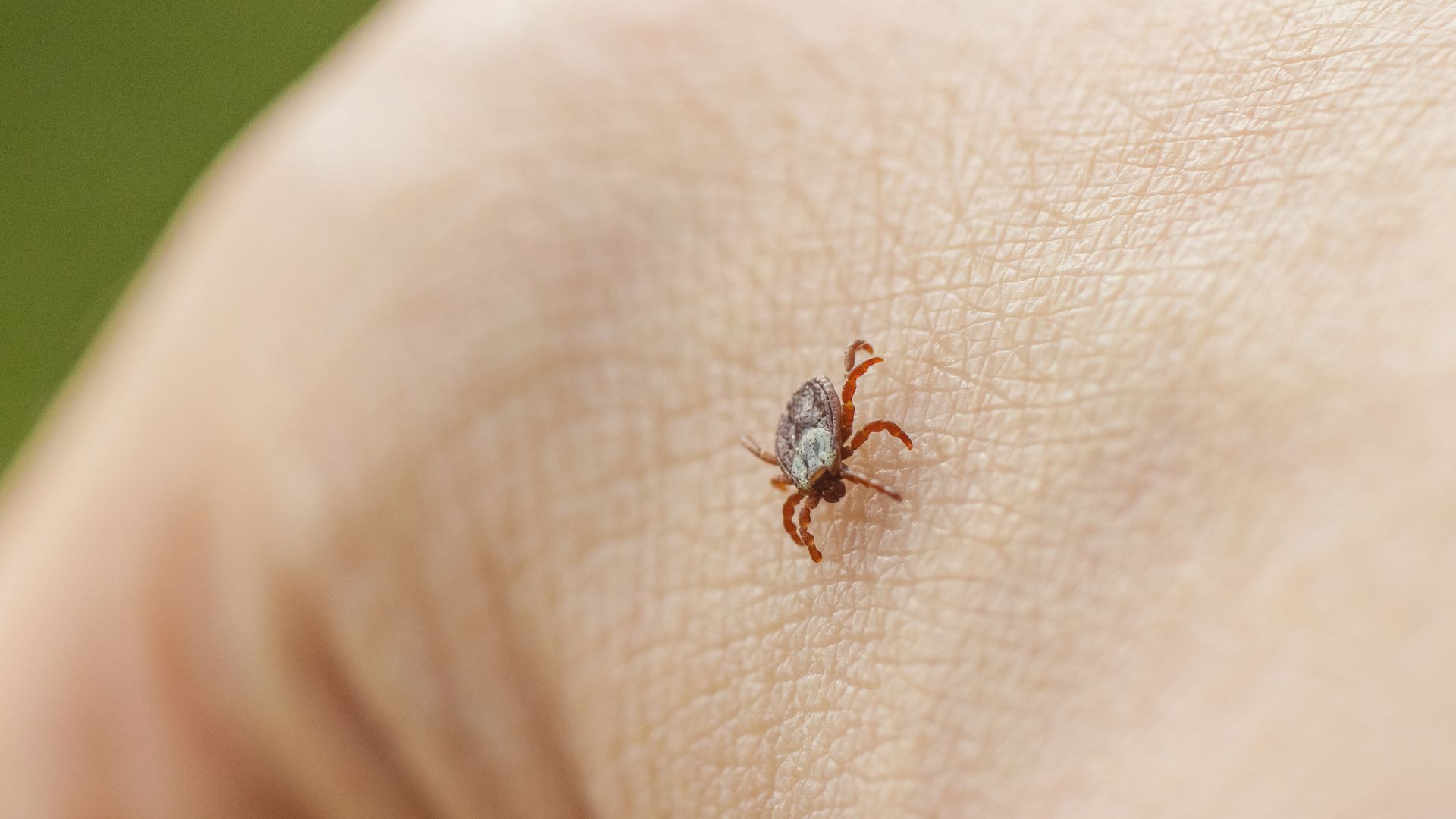
People assume ticks drop out of trees like tiny paratroopers. They don't. They wait low to the ground on blades of grass, fern tips, or heather, performing a behavior called "questing". They stretch out their legs, wait for a passing deer, dog, or human, and hitch a ride.
Hotspots aren't just remote Scottish highlands anymore. Urban and suburban green spaces, public parks in major cities, and local walking trails across Hampshire, Dorset, and Yorkshire regularly yield high tick counts. If an area has deer, tall vegetation, and moisture, you will find ticks.
The biggest mistake people make is assuming a tick bite feels like a bee sting or a mosquito bite. It doesn't. Their saliva contains a mild local anesthetic, meaning you won't feel them latching on. They crawl upward, searching for warm, hidden creases of skin like the back of the knees, the groin, or the hairline, where they can feed unnoticed for days.
Practical Defense Strategies That Actually Work
You shouldn't stop walking in the woods. Outdoor exercise and time in nature matter too much for mental and physical health. But you do need to change your habits.
Wear light-coloured clothing. It sounds simple, but spotting a tiny, poppy seed-sized tick crawling up your grey trousers is infinitely easier than finding it on dark denim. Tuck your trousers into your socks when walking through high grass or bracken. It looks dorky, but it blocks their primary path of access.
Use an effective insect repellent containing active ingredients like DEET or use permethrin-treated outdoor clothing if you work or spend heavy hours in high-risk zones.
The most critical habit happens when you get home: strip down and perform a thorough tick check. Check your children, check your pets, and check yourself. Pay close attention to warm crevices and the scalp.
How To Handle A Tick When You Find One
If you spot an embedded tick, don't panic, but act fast. Do not squeeze its body, do not burn it with a match, and do not smother it in petroleum jelly or alcohol. Stressing the tick causes it to regurgitate stomach contents directly into your bloodstream, increasing the risk of infection.
Instead, use a dedicated tick removal tool or fine-tipped tweezers. Grasp the tick as close to the skin's surface as possible and pull straight up with steady, even pressure. Clean the bite area thoroughly with soap and water afterward.
Keep an eye on the bite site for the next few weeks. If you develop a spreading circular red rash—often resembling a bullseye—or experience flu-like symptoms, fever, severe headaches, or neurological issues, contact your GP immediately and mention your recent outdoor exposure. Early detection and a short course of antibiotics make Lyme disease entirely manageable, but ignoring the warning signs is a gamble you shouldn't take.