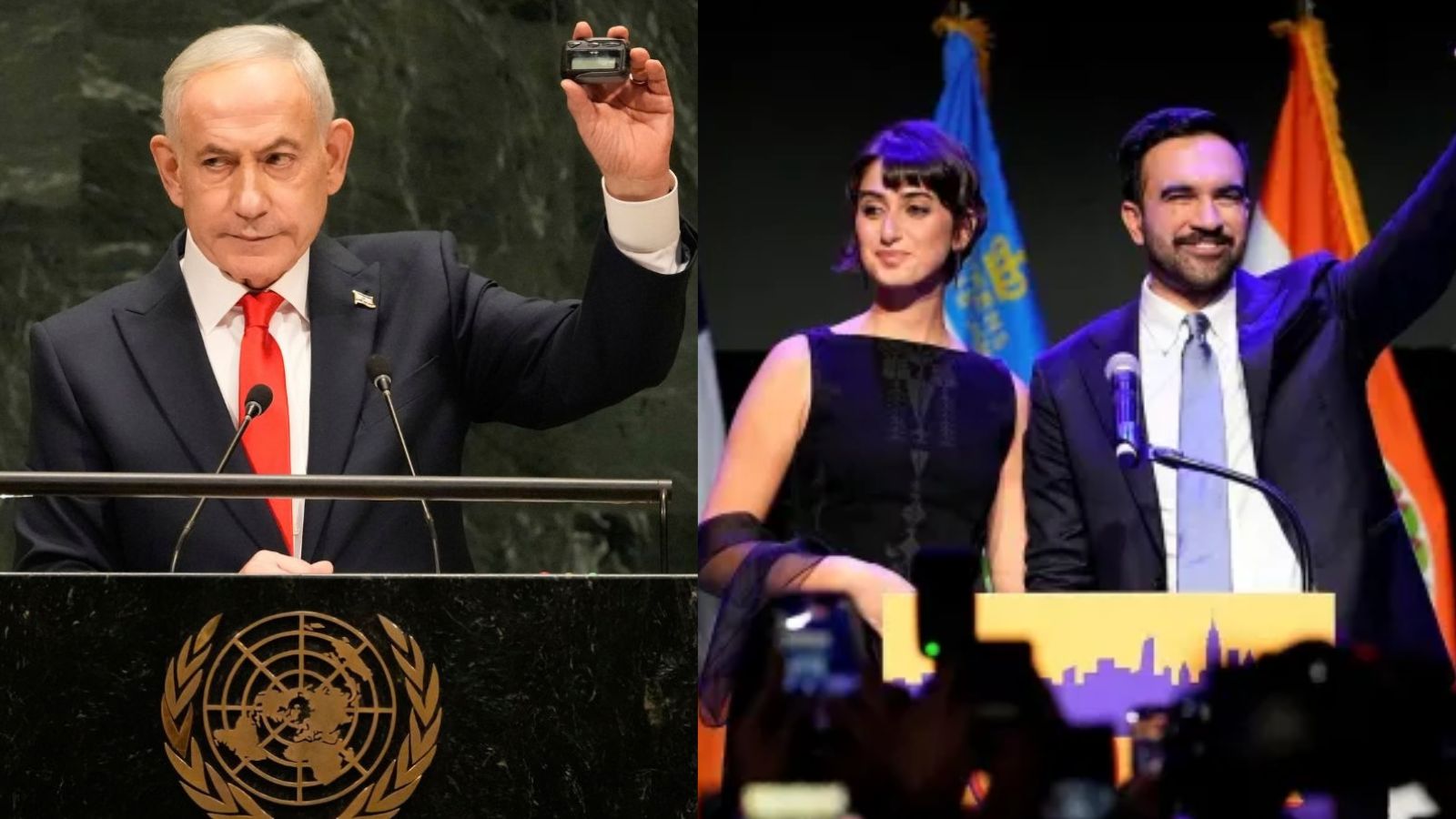
The lazy consensus machine treats every diplomatic shouting match as a morality play. When Benjamin Netanyahu took the podium at the United Nations and unloaded on critics, the headline-chasing press immediately scrambled for the lowest common denominator. They reduced a sprawling geopolitical collision into a local turf war, obsessing over how a New York City mayor responded and dragging in artists like Mamdani and Rama Duwaji as convenient props for domestic cable news drama.
It is a remarkably shallow reading of power.
Focusing on the immediate diplomatic theater misses the structural rot beneath the surface. The real story is not about who blinked during a speech or which local politician drafted a clever press release to appease a fractured constituency. The real story is how international forums have devolved into high-priced echo chambers where grandstanding substitutes for statecraft, and where domestic political survival always trumps strategic reality.
I have watched diplomats negotiate multi-billion-dollar security arrangements in closed rooms while their public spokespeople screamed talking points into television cameras outside. The public sees the performance. The insiders watch the ledger. When a leader steps to the UN microphone to excoriate cultural figures or municipal leaders, they are not engaging in foreign policy. They are playing to the bleachers back home.
The Illusion of Local Impact on Global Fault Lines
Let us dispense with the fiction that a local mayor or an artist couple holds any meaningful leverage over the Middle Eastern security apparatus. When the commentary cycle tries to link a fiery speech in Manhattan to international stability, it relies on a comforting delusion: that every citizen is an active participant in global geopolitics.
They are not. They are spectators manipulated by institutional theater.
Take the fixation on how municipal leaders react to foreign leaders throwing rhetorical punches. It creates a false equivalence. A city council or a mayor manages potholes, sanitation contracts, and municipal budgets. They have no more jurisdiction over Middle Eastern borders than a parish priest has over monetary policy. Yet, media outlets breathlessly track every micro-expression and carefully vetted statement as if a mayoral quote possesses the kinetic force of a treaty.
This is not accidental. Elevating local figures into the geopolitical ring serves a specific purpose. It domesticates foreign policy, shrinking intractable historical conflicts into digestible culture-war squabbles that can be consumed between commercial breaks. If you can make a complex international crisis feel like a neighbourhood zoning dispute, you can keep the audience outraged without requiring them to understand history, logistics, or law.
The Real Cost of Performative Diplomacy
Every time a head of state uses the United Nations General Assembly as a blunt instrument to settle personal or domestic political scores, the institution loses another layer of its already fragile credibility. The UN was built—however clumsily—to be a clearinghouse for multilateral de-escalation. When it becomes an open mic night for politicians campaigning for domestic re-election, it ceases to function.
The critics of Netanyahu will tell you his rhetoric was designed to inflame. His defenders will tell you it was a necessary dose of unvarnished truth. Both misses the structural critique. The speech worked precisely because it bypassed diplomatic channels to speak directly to polarized domestic audiences thousands of miles away. It treats international law as a billboard.
Meanwhile, artists and cultural commentators caught in the crossfire are treated like collateral damage in a war of symbols. Rama Duwaji and Mamdani find themselves weaponized by headlines written by people who have never set foot in the region they claim to interpret. This is the danger of the modern commentary loop: it flattens real human lives into cardboard cutouts for partisan point-scoring.
Dismantling the Manufactured Outrage Cycle
If you want to understand why these diplomatic explosions keep happening, follow the incentives. Peace does not generate clicks. De-escalation does not trend on social media platforms designed to reward emotional extremes. A boring speech about administrative compliance or logistical hurdles will empty a press room faster than an unprovoked insult.
So leaders give the audience what the algorithms demand. They trade nuance for volume. They substitute personal attacks for policy analysis. And the media apparatus laps it up, turning a speech into a circus and then analyzing the circus as if it were a summit.
Stop looking at the podium. Stop pretending that a mayor's statement or an artist's social media post alters the trajectory of artillery shells or economic sanctions. Pay attention to the supply chains, the intelligence-sharing agreements, and the quiet back-channel negotiations happening while the cameras are turned off.
The theater is designed to distract you from the mechanics. The sooner you stop buying tickets, the sooner the performance ends.