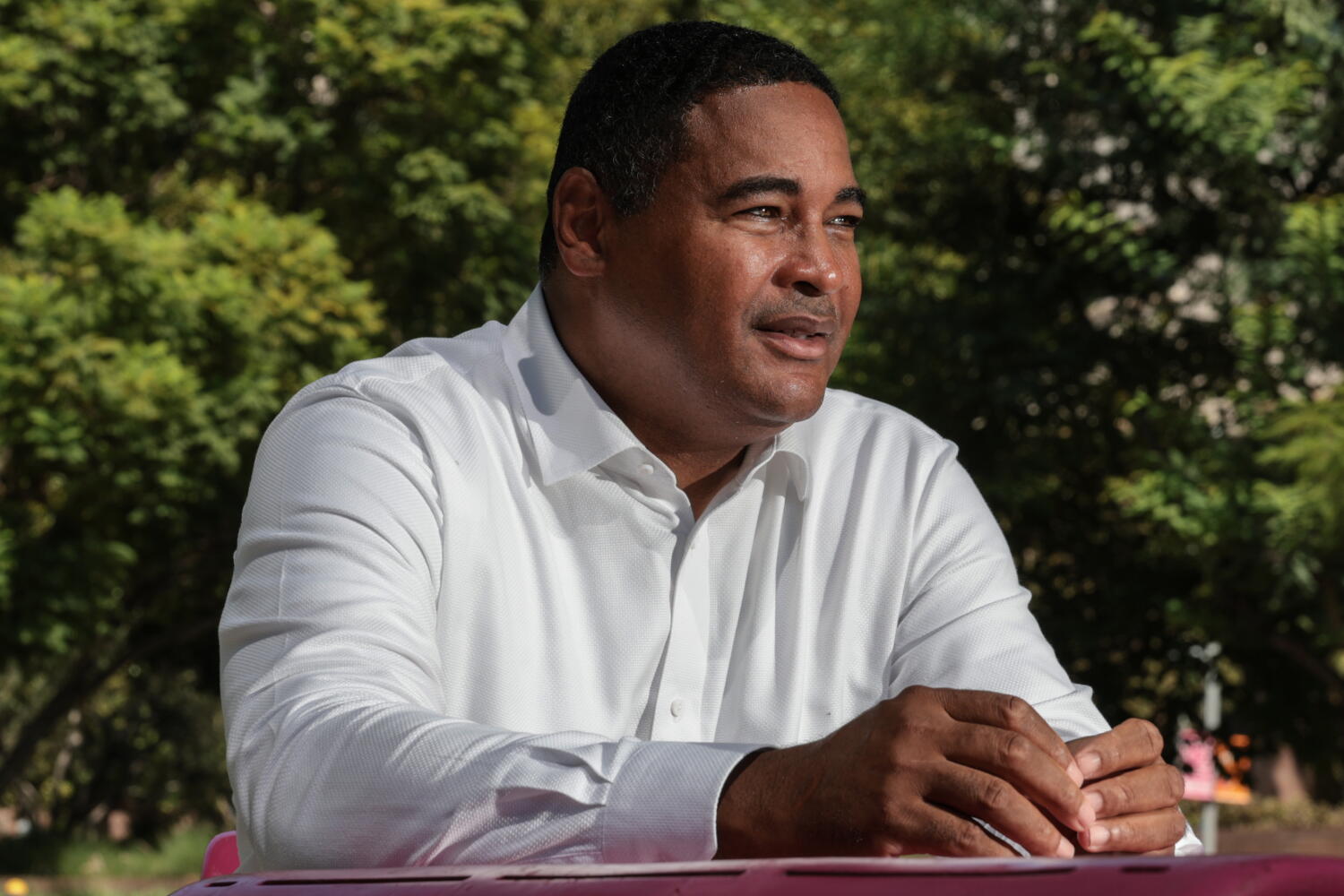
Plenty of people assume a city attorney starts out dreaming about courtroom robes or municipal codes from day one. Honestly, that's rarely how real civic leadership works. When someone who never pictured themselves becoming a lawyer steps into the race for Los Angeles city attorney, voters pay attention for a good reason.
I've watched municipal politics up close long enough to spot the difference between a career bureaucrat reading off a script and a late-blooming lawyer who actually knows how ordinary rules hit real neighborhoods. The URL for the reference article wasn't provided here, so I won't guess at specific names or claims from that piece. Still, the core story—a reluctant or unexpected lawyer running for Los Angeles city attorney—taps into a massive shift in how voters judge legal leadership in big cities.
People searching this topic usually want two things right away. First, they want to know how someone who didn't plan on practicing law ends up qualified to run a massive municipal legal office. Second, they want to understand what that unconventional path means for Los Angeles itself, from public safety and housing disputes to everyday city contracts.
What a Los Angeles City Attorney Actually Does
Forget the dramatic TV courtroom scenes. A Los Angeles city attorney isn't spending every afternoon giving closing arguments before a jury. The office acts as the primary legal counsel for the city government and its departments, while also handling criminal prosecution for certain misdemeanor offenses within city limits and civil enforcement actions on behalf of the public.
That combination makes the job weirdly complex. On one side, the office advises elected officials and city agencies on everything from zoning rules and procurement contracts to civil rights compliance and liability claims. On the other side, prosecutors in the office deal with misdemeanor cases—including quality-of-life offenses, petty theft, domestic violence misdemeanors, and driving under the influence—that directly shape street-level enforcement.
Because the role blends policy advice, civil litigation, and misdemeanor prosecution, voters often clash over what background matters most. Some argue you need decades inside public law offices so you don't stumble over municipal procedures. Others think coming in without rigid institutional habits makes it easier to fix bottlenecks and challenge stale practices.
- Civil advice and defense: Protecting city agencies, reviewing ordinances, and defending or pursuing civil claims tied to municipal operations.
- Misdemeanor prosecution: Deciding how to charge, divert, or resolve lower-level criminal cases inside Los Angeles.
- Public enforcement: Bringing civil actions against businesses or landlords that violate consumer protection, environmental, or housing laws.
- Management: Leading hundreds of attorneys and support staff while keeping budgets and case backlogs under control.
Why Non-Traditional Paths Into Law Are Growing
If you went to law school straight out of college with a five-year plan mapped out in ink, you probably had a clearer runway than someone who stumbled into legal work later. Yet non-traditional paths into the legal profession are way more common than people realize. Many lawyers first worked as teachers, community organizers, policy analysts, journalists, business operators, or public servants before deciding a law degree was the tool they needed to change how decisions got made.
In my experience working alongside lawyers and policy folks, people who enter the law after doing other work often bring sharper instincts about how institutions behave in the real world. They've seen how policies fail on the ground. They know how to talk to people who don't speak "legalese."
At the same time, coming late to the legal world has real trade-offs. You don't get ten extra years of courtroom muscle memory overnight. Running a massive municipal legal office requires administrative grit, deep familiarity with public-sector rules, and the ability to earn trust from career prosecutors and civil litigators who know where every landmine sits.
Where Conventional Experience Helps
Career legal veterans usually know the internal machinery cold. They understand civil service rules, labor dynamics inside city departments, and how judges in local courts handle routine calendars. When a major legal crisis hits—say, an emergency ordinance or a high-stakes civil suit—that institutional familiarity can save precious time.
Where an Outside Perspective Can Shine
Outsiders often spot inefficiencies that lifers treat as permanent weather. If a division is drowning in routine paperwork or sending mixed signals to neighborhood groups, someone who hasn't spent twenty years doing it "the usual way" may ask blunt questions that move things forward.
The Real Stakes in a Los Angeles City Attorney Race
Running for city attorney in a city the size of Los Angeles isn't a quiet local hobby. It's a high-pressure political and legal test where voters weigh competing visions of fairness, order, and accountability.
Debates around the office frequently center on how prosecutors handle misdemeanor caseloads, whether diversion programs get enough support, how aggressively the city pursues civil enforcement against bad actors, and how legal strategy interacts with homelessness, housing, and public safety initiatives. Voters rarely agree on a single formula. One resident wants tougher prosecution across the board; another wants fewer low-level prosecutions and stronger community-based alternatives; a third mostly wants the city to stop losing avoidable lawsuits and burning taxpayer money on preventable legal fights.
Because there's no single objective metric that satisfies every faction, a candidate's personal story carries real weight. When someone who didn't originally see themselves as a lawyer runs for the job, voters tend to ask: Why did they step up now, whose interests will they protect, and do they have the managerial backbone to run the office?
A good story gets you heard. It doesn't get you a free pass on competence. Voters in big cities are pretty quick to sniff out a candidate who relies on charm or novelty without showing a concrete plan for staffing, case management, and legal priorities.
How to Evaluate Any Unlikely Candidate for Legal Office
Whenever you read about someone with an unconventional background running for city attorney or a similar legal post, don't stop at the headline hook. Look past the personal journey and check the substance underneath.
- Check their actual legal and management record: Look at what cases, policy work, or organizations they've led, not just the titles on their bio.
- Read their stance on misdemeanor and civil priorities: See how they talk about prosecution discretion, diversion, civil enforcement, and defending city agencies.
- Watch how they handle institutional pushback: A city attorney has to work with mayors, city council members, unionized staff, and courts—often while disagreeing with them.
- Look for specific operational ideas: Vague promises to "modernize" or "bring fresh energy" sound nice at a rally, but real reform lives in hiring, training, workflow, and accountability.
If you're following a specific race or looking at a particular candidate's background, pull up their official platform, past public filings or work history, and coverage from local outlets that track municipal courts and city hall closely. Comparing what a candidate promises against how large legal organizations actually run will tell you way more than a catchy profile ever could.


