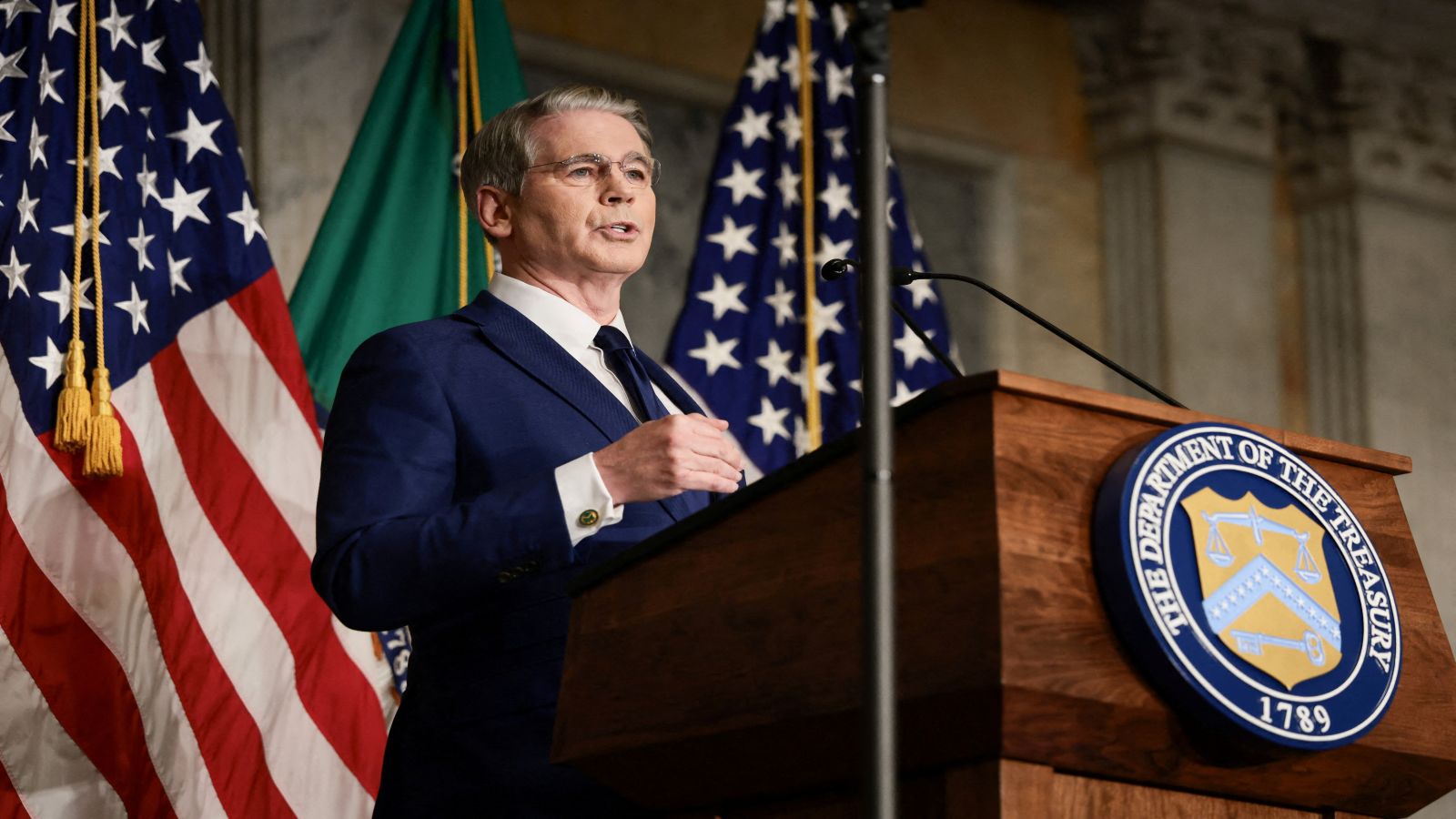
When the United States Treasury drew a hard line threatening to ground every single Iranian commercial carrier worldwide, the ripple effects hit international airports almost immediately. Washington didn't need to deploy federal marshals overseas to enforce the directive. Instead, Treasury Secretary Scott Bessent weaponized the ultimate financial lever: secondary sanctions targeting the global dollar system.
Foreign airports, ground handlers, and fuel suppliers faced a brutal choice. Service an Iranian plane, or get cut off from American banking networks entirely. Predictably, most international businesses chose self-preservation over servicing Tehran's fleet.
The Mechanics of the Global Aviation Squeeze
This unprecedented crackdown didn't happen in a vacuum. It formed a cornerstone of Washington's aggressive economic pressure campaign against Tehran, tracking right alongside maritime blockades and oil export curbs.
The strategy relies on crushing operational lifelines rather than direct airspace bans. Under the directives rolled out during the campaign, 27 Iranian airlines—including major flag carriers like Iran Air and private operators like Mahan Air—found themselves squarely in the crosshairs.
If an Iranian airliner touches down abroad, local crews cannot sell tickets, pump jet fuel, or provide standard gate maintenance without triggering severe penalties from the Office of Foreign Assets Control (OFAC). For airport operators juggling international compliance, accommodating these flights became an untenable liability.
Immediate Fallout Across Regional Hubs
Aviation tracking data showed daily flight volumes out of Tehran's main international hub plummeting drastically as foreign jurisdictions scrambled to comply or preempt the restrictions.
Neighboring and transit hubs reacted with varying degrees of compliance. The United Arab Emirates—historically a vital corridor for Iranian travelers heading toward Europe or Africa—suspended all flights to and from Iranian territory. Other regional players like Kuwait had already locked down their airspace, while countries like Iraq faced immense pressure despite relying heavily on cross-border religious tourism.
Yet, the enforcement landscape remains fractured. Beijing openly dismissed the measures as unilateral and illegal, allowing select Mahan Air routes into China to persist. Russia and a handful of other states also maintained select corridors, illustrating the limits of Washington's reach when major economic powers decide to look the other way.
What This Means for Global Aviation Norms
Using the commercial aviation ecosystem as a proxy battleground sets a worrying precedent for international travel. When domestic financial law dictates who can fuel an aircraft in a third-party country, the traditional boundaries of civil aviation governance begin to fray.
Airlines depend on predictable, standardized multilateral agreements through bodies like the International Civil Aviation Organization. Overlaying unilateral financial sanctions onto routine gate services forces airports into geopolitical compliance officers, fundamentally altering how cross-border transit operates.
For ordinary passengers caught in the middle, options continue to evaporate as remaining routes face mounting logistical hurdles and skyrocketing insurance costs. The geopolitical standoff ensures that Iran's aviation sector will remain largely clipped wings for the foreseeable future.