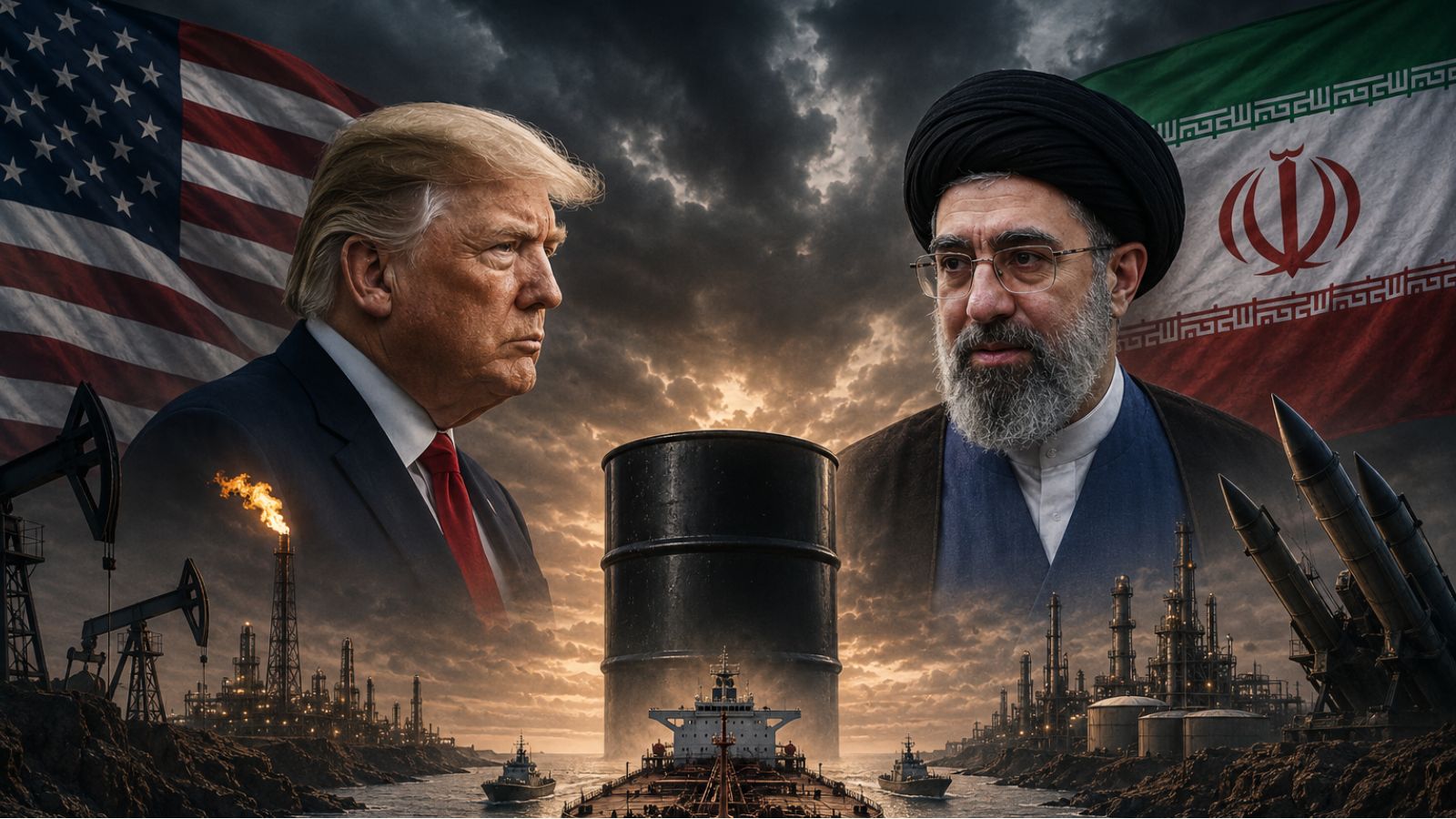
The Strait of Hormuz is the most dangerous stretch of water on the planet right now. When the US military recently marshaled air, sea, and space assets to escort 40 commercial oil vessels carrying 18 million barrels of crude, it marked a major turning point in the six-month-old conflict with Iran. This wasn't just a routine naval escort. It was a massive show of force designed to puncture Tehran’s stranglehold on global energy supplies.
Before the war broke out, roughly 20 million barrels of oil passed through this narrow chokepoint daily. The recent convoy of 40 ships brought back about 90% of that prewar volume for a single day, proving that Washington is willing to fight tooth and nail to keep energy moving. But beneath the surface-level numbers, the reality for commercial shipping remains grim. Tanker charter rates have spiked past $500,000 per day, and insurance companies are treating the Persian Gulf like a high-stakes casino. Building on this theme, you can find more in: Decoding European Policy Reactions A Structural Framework For Continental Integration.
Inside the Multi-Pronged Operation
The numbers behind the operation are staggering, but the execution was even more complex. US Central Command didn't just sail a few destroyers alongside tankers. They simultaneously blasted nearly 60 military targets across the Iranian coastline, wiping out radar stations, air defense sites, and mine-laying capabilities.
Why target radar? Because blinding Iran's tracking systems is the only way to stop them from targeting commercial traffic with anti-ship cruise missiles and drones. During the operation, US forces intercepted incoming drone swarms and a cruise missile. Many of the 40 escorted vessels even resorted to switching off their transponders entirely to dodge hostile eyes. Observers at NBC News have shared their thoughts on this trend.
The blockade works both ways, and Washington is squeezing hard. The US Navy has turned back 86 Iran-bound vessels, boarded two, and disabled three others to enforce strict compliance.
The Regional Spillover and Energy Realities
You cannot separate what happens in the Strait of Hormuz from the wider regional chaos. Shortly after the maritime operation, Iran launched retaliatory drone and missile barrages targeting US positions and regional allies in Kuwait, Bahrain, Iraq, and the UAE. Kuwait's air defenses scrambled to intercept incoming threats, while local officials reported mounting civilian casualties from the crossfire.
Energy markets are reacting violently to every escalation. Even though the US claims it controls the waterway, shipping executives aren't popping champagne. They know that Iran can rebuild its shattered radar networks and deploy hidden sea mines from coastal launchers almost overnight. Alternative pipelines through Saudi Arabia and the UAE offer a bit of relief, but they possess nowhere near the spare capacity required to replace the Strait of Hormuz.
What This Means for Global Markets
If you're tracking energy prices or managing logistics, waiting for a neat diplomatic resolution is a losing strategy. The conflict has ground past the six-month mark, and the White House has effectively backburnered broader goals like eliminating Iran's nuclear stockpile in favor of a containment and blockade strategy.
Protecting commercial fleets requires continuous, exhausting military intervention. Expect maritime transit through the Gulf to remain dependent on armed escorts for the foreseeable future. Keep a close eye on war-risk insurance surcharges and CENTCOM's daily clearance updates rather than political promises if you need to gauge the true safety of the corridor.