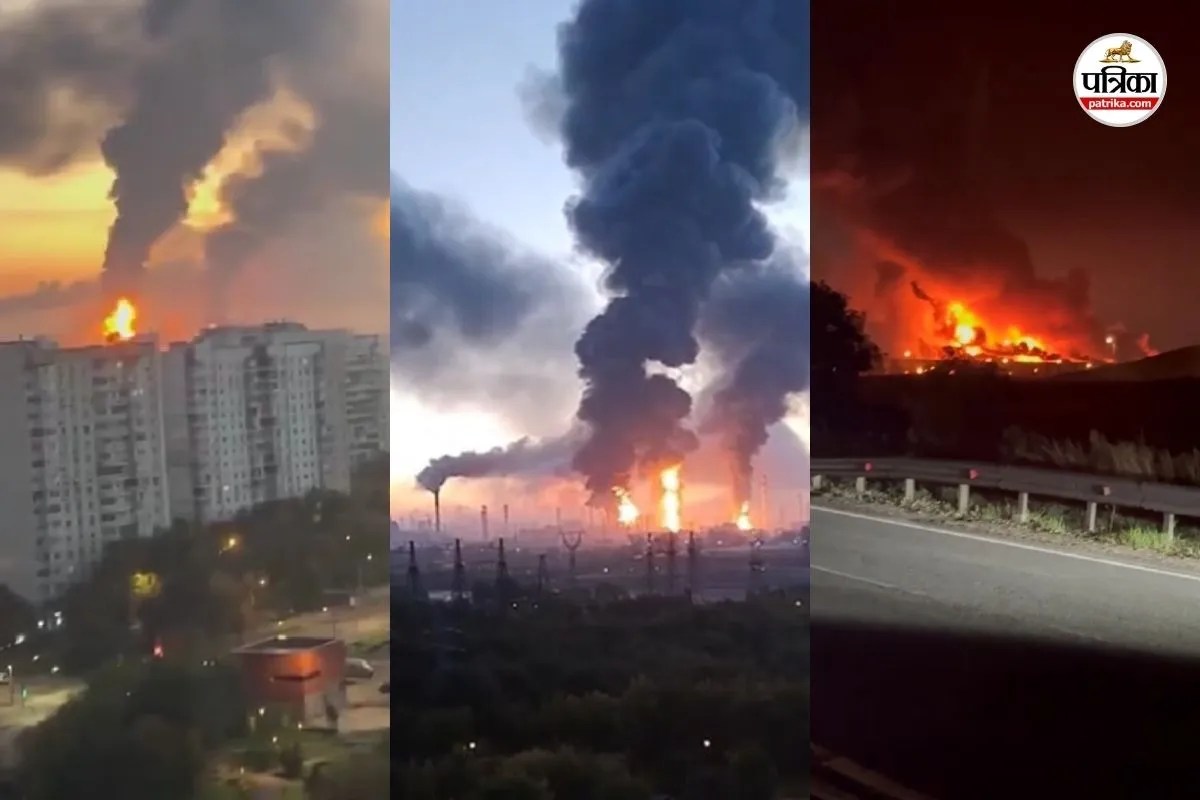
Diplomacy is officially on life support in West Asia. Months after initial US-Israeli strikes ignited a punishing regional conflict, the fragile peace process has completely stalled. Washington and Tehran are glaring at each other across an unbridgeable chasm, and Iranian military officials are openly warning that fresh American strikes are practically imminent.
If you've been trying to figure out why gasoline prices are fluctuating and trade routes remain on edge, you need to look past the superficial headlines. The deadlock isn't just about a paused agreement. It's about a fundamental clash of absolute demands that neither side is willing to back down from.
The Breaking Point Over the Strait of Hormuz
At the heart of this renewed crisis is the strategic Strait of Hormuz. Tehran recently signaled through Qatari intermediaries that it has specific conditions for reopening the vital waterway. But the White House isn't biting. President Donald Trump has publicly rejected latest proposals, bluntly stating that negotiations are effectively dead and hinting that Washington will take matters into its own hands.
Iran’s leadership isn't backing down either. Top security officials have made it clear that any renewed American military action will trigger immediate, widespread retaliation targeting US bases across the region. Tehran calls its stance a matter of national sovereignty, while Washington dismisses Iranian terms as completely unrealistic.
Why the Deadlock Is Different This Time
Previous standoffs usually relied on back-channel messaging to de-escalate tensions before shots were fired. Right now, those safety valves are jammed.
- The Financial Standoff: Washington refuses to unfreeze assets or offer economic concessions until Tehran completely caves on security terms, while Iran demands financial relief up front.
- Hardline Posturing: Senior Iranian figures are publicly prepping the public for a decisive confrontation, noting that military assessments point directly to another wave of US operations.
- Regional Spillover: The ongoing blockade and threats involving Houthi actions mean global supply chains remain hostage to political posturing in Washington and Tehran.
What Happens When Talks Completely Collapse
When leaders stop talking, military planners take over. US leadership has made vague but ominous remarks about finishing the job quickly, while Iranian state media promises a prolonged campaign against regional interests if attacked.
Regional players, including Arab and Muslim leaders, are scrambling behind the scenes to urge restraint, fearing that a renewed air campaign will shatter what little economic stability remains in the region. Yet, neither side appears willing to compromise on core demands. Keep a close eye on maritime insurance rates and energy markets over the coming weeks. They usually signal the true temperature of an impending conflict long before official statements hit the wire.
The window to salvage a diplomatic off-ramp is closing fast. Stop expecting a clean, tidy resolution to a conflict built on years of deep-seated distrust.
The video above outlines the military positioning and diplomatic hurdles shaping the current crisis in West Asia.