When you sit down to watch a football game, you expect beer commercials, truck pitches, and maybe a fast-food spot. You don't expect to fund your own political indoctrination.
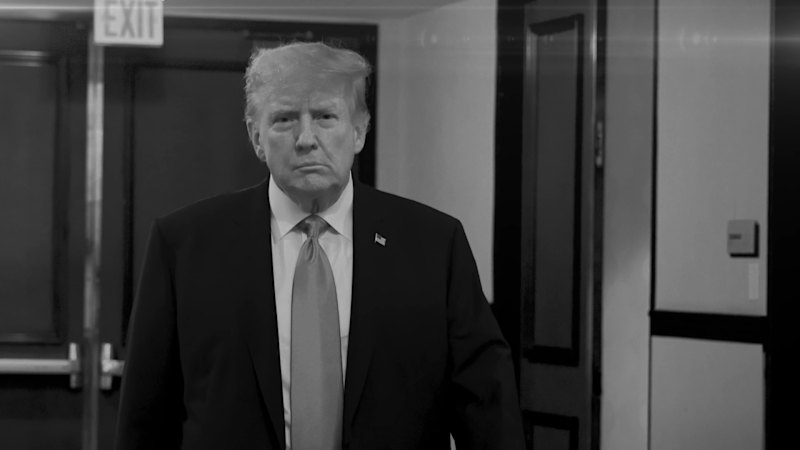
Yet that is precisely what happened when the Department of Homeland Security rolled out a multi-million-dollar television advertising campaign featuring President Donald Trump. Billed officially as public service announcements, these spots featured grand imagery, heavy national pride, and unmistakable praise for the commander-in-chief. They looked, walked, and talked like campaign commercials. The catch? American taxpayers footed the bill. Read more on a related subject: this related article.
Public outrage was immediate, and it came from both sides of the political aisle. Even staunch Republican lawmakers balked at the maneuver, pointing out that using federal coffers to prop up executive imagery sets a dangerous and slippery precedent. When the government starts funding hagiography, you are no longer looking at civic education. You are looking at state-sponsored media.
The Anatomy of a Taxpayer-Funded Campaign
The strategy behind the ads was transparent. As midterm elections loomed, millions of dollars in federal funds flowed into major television networks and cable channels. AdImpact tracking data revealed that the initial pushes cost upwards of $1.4 million, quickly scaling toward a committed $20 million DHS initiative. Further reporting by The Washington Post highlights comparable perspectives on the subject.
The spots featured classic patriotic motifs mixed with overt praise for Trump's leadership. One notable ad featured views of Mount Rushmore alongside direct quotes from the president declaring the United States the most exceptional nation in history.
The White House defended the blitz with a straight face, calling the spots "educational and unapologetically patriotic". Officials argued that previous administrations ran public service campaigns, pointing to past efforts like George W. Bush’s Medicare awareness spots or Biden-era vaccination drives.
That defense falls flat under basic scrutiny. A campaign urging citizens to get a vaccine during a public health crisis serves a direct functional purpose. A commercial highlighting a sitting president’s supposed greatness right before a major election cycle serves a political one. Critics quickly pointed out the obvious comparison, with some lawmakers noting it resembled the kind of state propaganda more common in authoritarian regimes than American democracy.
The Legal and Ethical Battleground
Campaign finance experts and watchdog groups moved fast. Organizations like Common Cause filed legal challenges, arguing that funneling federal agency budgets into spots that heavily feature a political figure violates restrictions on government communications and misappropriates public funds.
Federal courts eventually stepped in. U.S. District Judge Jennifer L. Rochon issued a temporary restraining order directing the administration to halt the remaining taxpayer-funded broadcasts. The legal challenges highlighted a glaring loophole in federal oversight: while direct campaign accounts face strict limits and disclosure rules, creative labeling by executive agencies allows promotional spending to slip through administrative cracks.
The political fallout caught fire inside Congress as well. Senate Majority Leader John Thune openly criticized the spending, stating bluntly that it was not something he would have done. Other Republicans voiced deep discomfort over the erosion of norms, while Democrats hammered the administration for treating the U.S. Treasury like a personal campaign slush fund.
Faced with mounting lawsuits, a federal court order to stop, and a furious public, Trump eventually pivoted, suggesting his super PAC or campaign accounts would pick up future advertising tabs. Yet questions remained about accountability. White House officials offered no immediate plans to reimburse the treasury for the millions already spent.
Why This Precedent Matters
The fight over government-funded promotional ads goes far beyond one administration. It touches on the core integrity of public institutions. When federal agencies can repurpose operational budgets to broadcast flattering portraits of political leaders, the line separating a neutral civil service from a partisan apparatus vanishes.
Taxpayers should never be forced to finance their own political persuasion. If a political message cannot stand on its own feet through voluntary donations and campaign contributions, it has no business running on the public dime.
The episode serves as a harsh reminder that institutional guardrails only hold if there is a willingness to enforce them. Watchdogs and the courts managed to slam the brakes on this specific ad blitz, but the underlying impulse to exploit state power for political optics isn't going away. Keeping public funds out of political campaigns requires constant vigilance, strict legislative fixes, and voters who refuse to normalize the abuse of public trust.