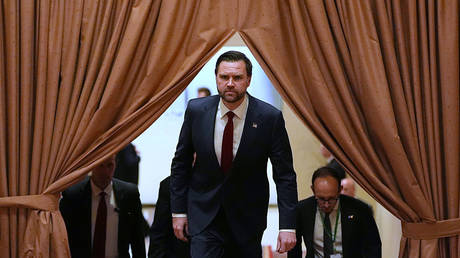
The high-stakes gamble in Islamabad just went sideways. After 21 hours of marathon negotiations, Vice President JD Vance and the U.S. delegation packed their bags and left Pakistan without a deal. While the official line focuses on nuclear disagreements, a much more biting narrative is leaking from the Iranian side. Members of the Tehran delegation are now publicly claiming that Vance and his team didn't even have the authority to close a deal in the first place.
It's a classic case of diplomatic finger-pointing. Vance claims the Iranians were the ones who had to "go back to Tehran" for permission from the Supreme Leader. Meanwhile, Iranian officials are painting Vance as a messenger boy with a short leash from Mar-a-Lago. This wasn't just a failure of policy; it was a breakdown of basic diplomatic trust.
The Authority Gap in Islamabad
The core of the dispute isn't just about Uranium enrichment or the Strait of Hormuz. It's about who actually holds the power to say "yes." Vance stood in front of the cameras and blamed the Iranian representatives for being unable to finalize terms without calling home. He told Fox News that the U.S. team realized the Iranians lacked the mandate to sign off on the proposed terms, leading to the American withdrawal.
But the view from Tehran is the exact opposite.
Sources within the Iranian delegation, including voices linked to Parliamentary Speaker Mohammad Bagher Ghalibaf, suggest that Vance himself was operating under rigid constraints. They argue that every time a potential compromise appeared, the U.S. side had to check back with President Trump. For a country like Iran, which already views Washington with "complete distrust," this perceived lack of autonomy made the talks feel like a stalling tactic rather than a genuine peace effort.
What Really Happened Behind Closed Doors
Negotiations didn't just fail; they hit a wall. The U.S. came with a 15-point proposal centered on a permanent freeze of Iran’s nuclear capabilities. Iran countered with a 10-point plan demanding war reparations for recent strikes and the immediate release of frozen assets.
The atmosphere was reportedly toxic. Here’s why the "authority" argument matters so much:
- The Trump Factor: Vance was in constant communication with the White House. This gave the Iranians the impression that he was a proxy, not a negotiator.
- The Supreme Leader’s Silence: Despite the massive delegation Tehran sent, Supreme Leader Ali Khamenei hasn't publicly endorsed the talks. This left the Iranian negotiators in a defensive crouch, terrified of being labeled "traitors" back home.
- The Nuclear Red Line: Washington demanded an "affirmative commitment" that Iran wouldn't rebuild its destroyed nuclear infrastructure. Tehran viewed this as a demand for total surrender.
Honestly, the "lack of authority" claim is the perfect exit strategy for both sides. If you can't agree on the facts, you blame the other guy's credentials. It’s easier to say your opponent isn't allowed to talk than to admit your own demands are impossible.
The Fallout of the Failed Pakistan Summit
The collapse of these talks puts the fragile ceasefire on a knife-edge. With the U.S. delegation gone, the risk of a military escalation to reopen the Strait of Hormuz is skyrocketing. Oil prices are already flirting with the $100 mark, and the markets are spooked.
Don't expect a "Round 2" anytime soon. The Iranian hardliners are already piling on anyone who suggested de-escalation, calling the Islamabad trip a "humiliation." On the U.S. side, Vance's skeptics are pointing to his lack of diplomatic experience as a reason for the stalemate.
What happens now? We're back to the "blow hot, blow cold" cycle of Middle Eastern diplomacy. The U.S. has left their "final and best offer" on the table, but without a clear path for either side to save face, that paper is likely to gather dust while the region braces for more kinetic action.
If you’re tracking the geopolitical impact, keep a close eye on the Strait of Hormuz. The IRGC has already hinted that they'll view any approach by military vessels as a breach of the ceasefire. The diplomacy failed, and usually, that's when the hardware starts moving. Watch the shipping lanes—they'll tell you more about the future of this conflict than any press release from Islamabad.