Big international sports events promise massive windfalls for local economies. Cities pitch these tournaments to small businesses as a goldmine. But when the circus actually rolls into town, the reality on the ground looks completely different. Local food truck operators in Vancouver are discovering this the hard way as bureaucratic decisions leave them on the outside looking in.
Instead of enjoying a surge in customers, independent vendors find themselves pushed away from the action. Corporate sponsors and exclusive fan zones take over the premium spaces. It leaves the people who drive Vancouver food culture year-round wondering why they were locked out of their own city. For a more detailed analysis into similar topics, we recommend: this related article.
Street food vendors do not have the massive lobbying power of multinational corporations. When city hall plans for major crowds, the local guys get pushed to the margins. This is not just a scheduling conflict. It is a fundamental flaw in how modern cities handle mega-events.
The reality behind Vancouver street food during major events
Vancouver established its street food program with a lot of fanfare over a decade ago. The idea was simple. Give residents and tourists access to diverse, high-quality, independent food options right on the sidewalk. It worked well for standard summer tourism. But the upcoming World Cup matches have exposed major cracks in how the city values these entrepreneurs. To get more details on this development, extensive coverage can also be found on Financial Times.
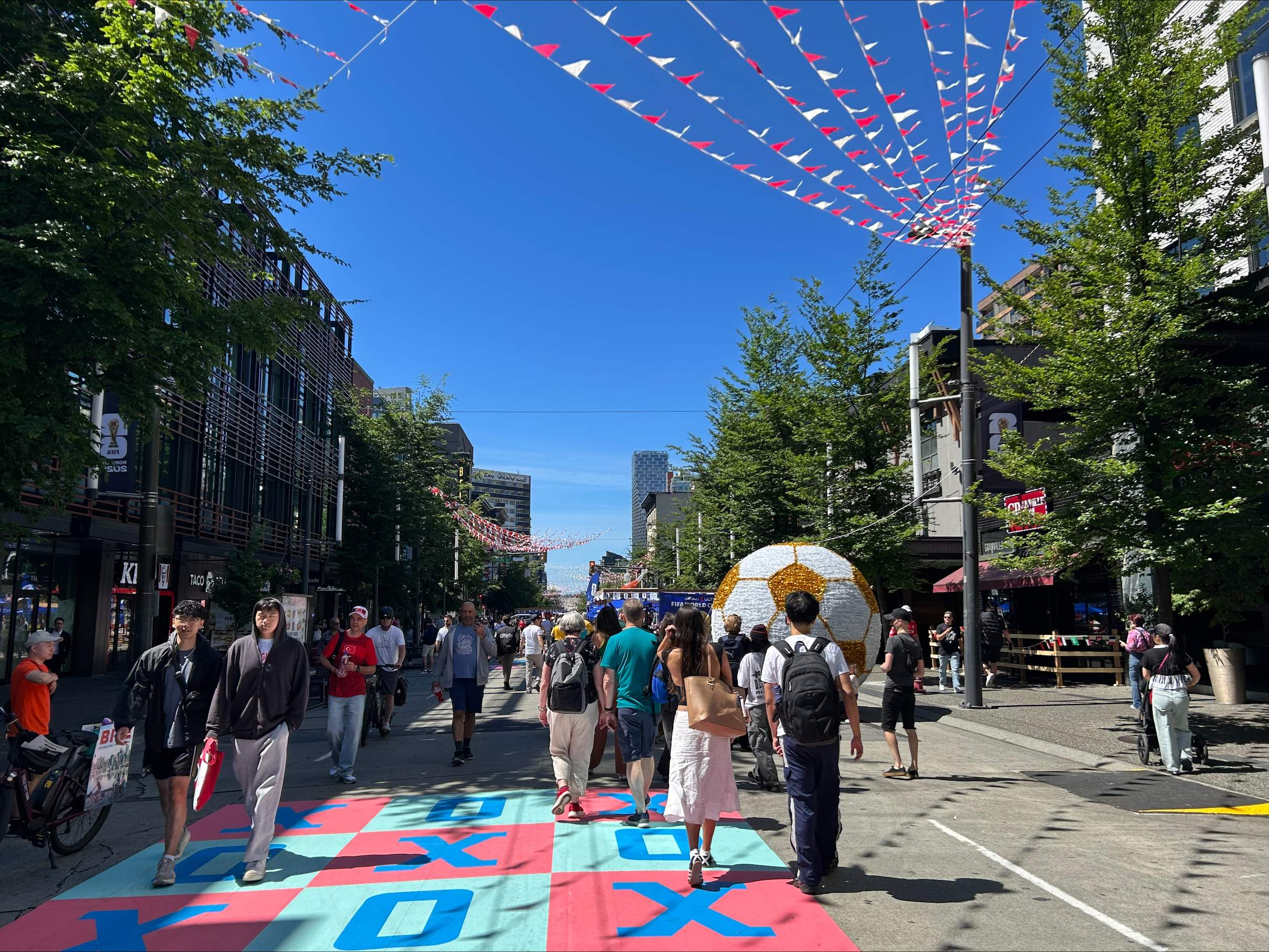
When a massive tournament lands in a city, FIFA and municipal planners map out specific zones for fan activations. These are the high-traffic areas where thousands of hungry fans gather before and after matches. You would think local food trucks would be the perfect fit for these zones. They are mobile, adaptable, and showcase the best culinary talent the city has to offer.
Instead, the city often establishes strict exclusion zones around primary venues like BC Place. Regular street vending permits are suspended or altered in these areas for security and corporate compliance. A vendor who has spent years building a loyal lunchtime crowd at a specific corner can find their spot suddenly declared off-limits.
This leaves operators in a brutal financial spot. They face rising ingredient costs, steep commercial insurance premiums, and the general pressure of operating in an expensive city. They look forward to major events to balance their books for the year. Getting sidelined during the peak operational window of the decade hurts deeply.
Why city planning templates fail local vendors
City halls love standardized templates when organizing massive spectacles. They want predictability. Dealing with fifty individual food truck owners requires fifty separate conversations, insurance checks, and electrical compliance reviews. It is much easier for a bureaucratic apparatus to sign a blanket contract with a single mega-catering firm or a corporate sponsor.
This corporate preference means local operators get ignored. The decision-makers choose the path of least resistance. They prioritize corporate hospitality tents and pre-packaged food lines over authentic local options. It strips the host city of its unique flavor. Visitors travel across the world to experience Vancouver, not to eat the same generic stadium food they can get anywhere else.
The communication from municipal departments is often slow and confusing. Food truck operators report receiving vague notices about street closures and permit suspensions with very little lead time. Planning a mobile food business requires weeks of preparation. You have to order inventory, schedule staff, and organize prep kitchen space. You cannot pivot on a dime when the city changes the rules right before a game day.
Many vendors feel the city views them as an afterthought or a nuisance to be managed rather than a key economic partner. The regulations are designed to keep things orderly for the organizers, not to sustain the local ecosystem. When the city prioritizes global brands over the businesses that pay taxes here every single week, it sends a clear message about who really matters.
High costs and exclusion zones push small businesses out
Operating a food truck in Vancouver is already an uphill battle. The licensing fees are high, the winter months are slow, and finding legal, accessible parking spots is a constant headache. Vendors rely entirely on the busy summer season to make enough profit to survive the rest of the year.
When the city sets up exclusive fan zones, they do not just block access to physical streets. They also drive up the cost of participation to absurd levels. In many major event setups, if a local vendor wants a spot inside the official festival footprint, they have to pay exorbitant vendor fees. These fees are scaled for major corporate entities, not a family-run truck selling tacos or wood-fired pizza.
- High daily booth fees that wipe out potential profit margins.
- Requirements to use specific, expensive point-of-sale systems mandated by event organizers.
- Deadlines for applications that favor large catering companies with dedicated administrative staff.
- Strict limitations on what brands of beverages or ingredients can be sold due to corporate sponsorship deals.
If a small truck has a contract with a local craft brewery or a specific independent beverage distributor, they might be forced to drop those products to comply with official tournament sponsors. That breaks local supply chains. It forces small business owners to compromise their values just to get a chance to work.
Even if a vendor decides to pay the high fees, there is no guarantee they will secure a good spot. The prime locations near the stadium entrances naturally go to the highest bidders or the official partners. The local trucks get relegated to quiet side streets where foot traffic is minimal. They take on all the financial risk with very little chance of a real reward.
Better ways to integrate local food culture into international sports
It does not have to be this way. Cities can protect their local economies while still meeting the strict operational requirements of international sporting bodies. It requires a shift in mindset from the very beginning of the planning process.
The city needs to include the street food community in early planning committees. Do not just present them with a finished plan and a list of restrictions. Bring representatives from the local food truck association to the table when mapping out fan zones. They know how crowds move, they know the electrical requirements of mobile kitchens, and they know how to feed thousands of people efficiently.
Municipalities can also create dedicated local food night markets right alongside the main event spaces. Instead of letting corporate fast-food chains dominate the culinary scene, the city can brand a specific zone as a showcase of local culture. This creates a better experience for traveling fans who actively want to try regional dishes.
Another practical solution is the tiering of vendor fees. Instead of charging a flat, massive rate for every single food stall, the city should implement a sliding scale. Large multinational brands pay the full premium rate, while independent, locally licensed food trucks pay a modified fee that reflects their actual operating scale. This ensures the festival footprint remains diverse and accessible to small businesses.
The current system relies on pushing local operators away to clear a path for global brands. That approach is short-sighted. It damages the long-term viability of the local culinary scene just for a few weeks of corporate alignment. Vancouver needs to start standing up for its own small businesses when negotiating these massive international agreements.
The next time a major tournament comes to town, the city must do better. Small business owners do not want handouts. They just want the right to park on the streets they call home and serve the crowds that gathered in their city. It is time for city hall to stop sidelining the very people who make the local food scene worth celebrating. Turn the page on corporate exclusion and build an event model that actually keeps revenue inside the community. Look at the local vendor map, advocate for flexible boundary lines, and demand a fair share of the space for the trucks that keep Vancouver fed every day.