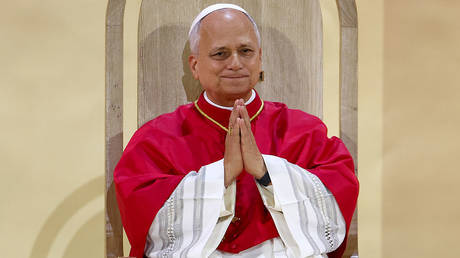
Pope Francis recently issued a stark directive to the global creative community, urging artists to unite and defend human expression against the encroachment of automated algorithms. While mainstream coverage framed this as a routine moral statement from the Holy See, the reality is far more operational. The Vatican is stepping directly into the ideological battles of the tech sector, recognizing that synthetic generation tools threaten the economic foundations and philosophical autonomy of traditional craftsmanship.
The Economics of Automated Cultural Production
Silicon Valley pitches generative models as democratization tools. Anyone can prompt a text box and summon a cinematic painting, a symphonic score, or a stylized essay in seconds. Look past the marketing veneer and a different picture emerges. This technology operates by absorbing decades of uncompensated human labor, compressing those patterns into statistical weights, and spitting out derivative iterations at zero marginal cost. Read more on a connected issue: this related article.
Artists face a brutal financial squeeze. When corporations can generate thousands of asset variations for pennies, human creators lose their leverage in the market. The Vatican's appeal targets this economic vulnerability. By positioning cultural creation as an inherently sacred, human act, church leadership attempts to construct an ethical barrier against a race to the bottom.
History shows that labor struggles often begin with moral arguments before translating into economic defense. When industrial looms threatened textile workers centuries ago, the resistance was not just about machines; it was about the destruction of a trade and the communities built around it. The modern creative class finds itself in an identical collision course with venture-backed automation. Further journalism by Engadget explores related perspectives on the subject.
Power Concentrated in Code
The centralization of creative output into a handful of proprietary data centers changes the distribution of cultural power. A small group of executives and engineers in Northern California now arbitrate the boundaries of acceptable aesthetics through dataset curation and safety filters.
When an algorithm dictates the visual vocabulary of an entire generation, culture stops being a messy, contested dialogue between living communities. It becomes a corporate product optimized for engagement metrics.
Church institutions have long understood the relationship between who controls the narrative and who holds authority. By calling for solidarity among creators, the Vatican is effectively challenging the monopoly that technology monopolies hold over the future of imagination. This is not merely about preserving painting or poetry as quaint hobbies. It is about preventing a total corporate capture of human semiotics.
The Limits of Moral Resistance
Moral appeals alone will not stop the deployment of generative models. Studios will continue cutting budgets. Advertising agencies will keep outsourcing asset generation to language models. Venture capitalists will pour billions into infrastructure designed to eliminate human labor costs.
Artists need more than papal solidarity. They need enforceable legal protections regarding copyright, mandatory disclosure of training data, and collective bargaining frameworks that treat computational imitation of a specific style as an infringement of livelihood. Without these structural interventions, the call to unite risks becoming an empty lament for a world that is already gone.
The friction between automated output and human agency will define the next decade of intellectual property law and cultural production. The Holy See has cast its vote for the human element. Whether the rest of society follows suit before the economic landscape is permanently altered remains an open question.