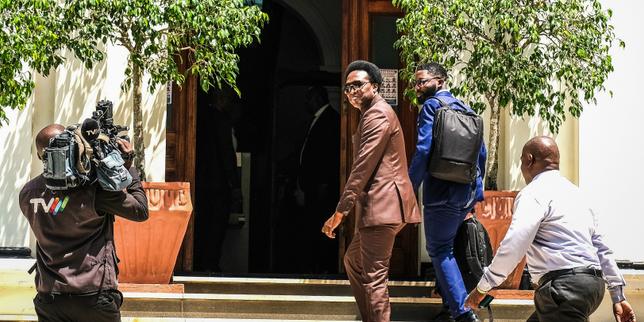
Politics in Mozambique just crossed a dangerous line. When Venancio Mondlane finds himself tangled in legal battles or facing severe accusations in Maputo, it isn't just a standard courtroom drama. It represents a massive clash over the future of the nation's democracy. You need to look past the surface headlines to understand what is actually happening on the ground.
Charges of terrorism thrown at political opposition figures rarely happen in a vacuum. Governments under pressure often reach for the heavy machinery of the state to silence dissent. Mondlane mobilized a massive following of young, frustrated citizens who want real economic change. When standard political suppression fails, legal intimidation usually steps in.
The Anatomy of Political Discontent in Maputo
Maputo has been a pressure cooker for months. Street protests, contested election results, and heavy-handed police responses created a volatile atmosphere long before any formal court proceedings began. People aren't just marching for a candidate; they are marching because jobs are scarce, inflation hurts, and the ruling party has held power for decades without delivering basic improvements to daily life.
Mondlane tapped directly into that raw frustration. He used social media effectively, bypassing state-controlled television and radio to speak straight to the youth. That direct line of communication terrified the political establishment. When a leader can mobilize thousands of angry voters within hours using a smartphone, traditional power structures start panicking.
Why Terrorism Charges Don't Pass the Smell Test
Throwing around words like terrorism usually requires actual acts of violence against civilians. Yet, critics and legal observers point out that these severe accusations often target peaceful protest organizers and political rivals. It is a playbook used across various authoritarian contexts globally. Label the opposition dangerous, lock down public spaces, and let the courts handle the dirty work.
You have to ask yourself a simple question. Does organizing mass demonstrations and demanding transparent vote counts constitute a terrorist act? International human rights monitors have repeatedly warned about the shrinking civic space in Mozambique. Silencing high-profile critics through the judicial system sends a chilling message to anyone else thinking about speaking up.
What Happens Next on the Ground
The trial in Maputo acts as a massive lightning rod. Supporters view Mondlane as a martyr standing up against systemic corruption. Meanwhile, state officials frame these legal actions as necessary measures to maintain public order and national security. Both narratives cannot be entirely true, but the reality on the street leans heavily toward a government trying to protect its monopoly on power.
Expect continued friction. Suppressing a popular political movement by locking up its figurehead rarely makes the underlying anger disappear. It usually just drives dissent underground or transforms a political dispute into a prolonged civil crisis. If you want to understand where Mozambique is heading, watch how ordinary citizens react to these judicial moves. The courtroom in Maputo is just a stage. The real verdict is playing out across the entire country.