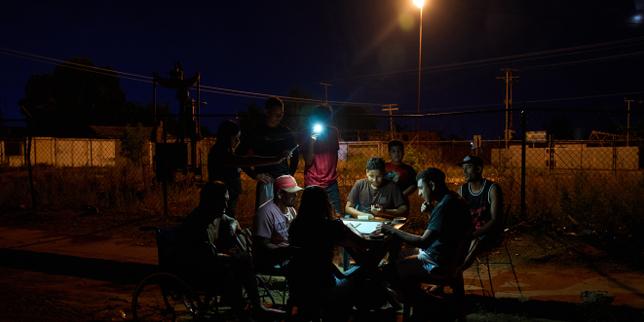
Walk through any neighborhood in Maracaibo or Valencia after sunset and you will notice something striking. The streets are pitch black. Entire apartment blocks sit in suffocating darkness while industrial pumping stations miles away hum along on diverted grid power.
You hear the constant drone of private diesel generators if people can afford them. Most cannot.
Venezuelans are living through a chronic energy crunch. The national power grid is collapsing under decades of neglect, leaving roughly ninety percent of households facing daily rationing. Yet the state apparatus keeps prioritizing crude oil extraction over basic human needs.
It is a brutal calculus. Officials know that without steady megawatts flowing to the oilfields and refineries, the country's main economic lifeline flatlines entirely. Citizens pay the price with spoiled food, broken appliances, ruined sleep, and interrupted medical treatments.
The Broken Grid Behind the Crisis
The root cause goes back a long way. Venezuela relies on hydroelectric power for the vast majority of its electricity, anchored by massive infrastructure like the Guri Dam. When water levels drop or lack of maintenance takes a toll, the whole house of cards wobbles.
Decades of underinvestment mean transformers blow regularly and substations fail without warning. The state monopoly on power management failed to keep pace with basic maintenance requirements.
To cope with shortfalls, authorities implemented strict rationing schedules. But these schedules are rarely predictable. Families experience multiple blackouts a day, sometimes losing power for up to seven hours at a stretch.
Schools dismiss children early when classrooms turn into ovens without fans or air conditioning. Hospitals struggle to maintain backup generators, putting vulnerable patients at risk when dialysis machines or ventilators cut out mid-cycle.
Protecting the Barrels at All Costs
While residential sectors sit in darkness, energy authorities direct available electricity toward heavy crude extraction, particularly in the Orinoco Belt and vital oil terminals.
Rebuilding oil production is the primary goal for political survival. With international sanctions shifting and new corporate partnerships forming, keeping extraction rigs active takes precedence over keeping residential lights on.
The government recently ended a twenty-year state monopoly on electricity, inviting private investments and allowing oil companies to build their own dedicated power sources. While this pragmatic move helps foreign operators bypass the crumbling national grid, it leaves everyday citizens behind. The state-run transmission lines serving normal neighborhoods remain starved of investment and prone to collapse.
Living on the Edge of Despair
For ordinary families, daily life requires relentless adaptation. People stock up on ice blocks when they can find them, sleep with windows wide open despite mosquito swarms, and rely on sleeping pills to manage disrupted circadian rhythms.
Protests erupt regularly in regional capitals as public frustration reaches a boiling point. Demonstrators chant in the streets against lengthy blackouts and empty promises from officials who trade megawatts for export revenues.
Until the national infrastructure receives a complete overhaul rather than temporary patches, the trade-off remains the same. The country's oil flows, while the people who live above it stay in the dark.


