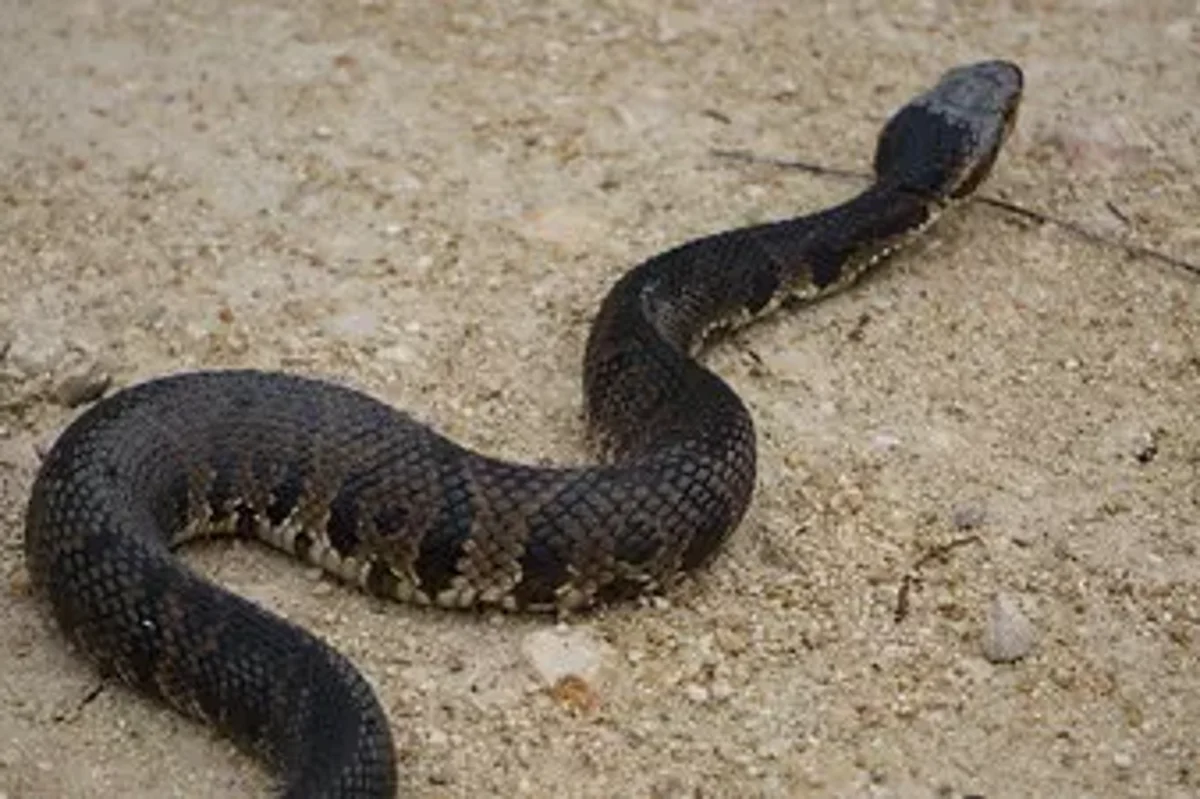
A high school football player reached into his helmet during a routine practice session and discovered a two-foot venomous snake coiled neatly inside the padding. The incident occurred on an outdoor turf field, sending shockwaves through the local athletic community and forcing a wider examination of how youth and scholastic sports equipment is stored, inspected, and maintained.
Equipment safety in high school football usually begins and ends with concussion protocols, shoulder pad certifications, and helmet reconditioning logs. Nobody writes guidelines for native reptiles seeking shelter from the heat. Yet, this bizarre occurrence exposes systemic vulnerabilities in how athletic gear is handled across thousands of school districts nationwide.
The Logistics of Abandoned Gear
Athletic departments are chronically underfunded. Storage facilities often double as damp concrete sheds, concrete-block dugouts, or drafty corners beneath aging bleachers. These spaces are prone to extreme temperature swings, high humidity, and structural gaps that invite local wildlife.
When a team finishes a grueling two-a-day practice in August, helmets and pads are rarely brought indoors to climate-controlled environments. Instead, damp gear is tossed into wire bins, stacked in open lockers, or left inside heavy canvas equipment bags zip-tied shut against the floor.
For a venomous snake—copperheads, cottonmouths, or rattlesnakes depending on the geographic region—a dark, enclosed, sweat-scented football helmet represents an ideal microclimate. It offers thermal insulation, absolute darkness, and tight spaces that mimic a natural burrow.
Athletic directors face impossible choices when allocating budgets. Pest control contracts get cut before equipment upgrades. Storage sheds lack proper weather-stripping or elevated shelving. The result is a system where gear sits directly on dirt or concrete foundations, turning athletic lockers into unintentional habitats for local fauna.
Protocol Breakdown on the Practice Field
The unwritten rule of high school football culture demands toughness. Players are conditioned to ignore pain, shake off heat exhaustion, and minimize physical complaints. That same cultural conditioning creates severe risks when physical anomalies inside equipment are dismissed as mere discomfort.
Consider the sensory experience of wearing a modern football helmet. The internal inflatable air bladders, vinyl nitrile foam, and chin strap assemblies create a snug, pressurized fit. If a player feels a strange shifting or an unusual tickle against their scalp during a pre-practice drill, the immediate institutional pressure is to tighten the strap and get back in line.
In the incident involving the two-foot venomous snake, the player fortunately noticed the intruder before fastening the chin strap. Had the reptile been compressed against the skull by the crown pad, a defensive strike would have been all but guaranteed.
Coaches and athletic trainers receive extensive certifications in emergency action plans for cardiac arrest, heat stroke, and traumatic brain injuries. Standard first-aid kits contain AEDs, ice baths, and splints. Very few high school programs maintain anti-venom protocols or train staff on snakebite triage tailored to rural or suburban practice fields bordered by brush lines or retention ponds.
Structural Neglect Across Scholastic Athletics
The snake in the helmet is an extreme headline, but it serves as a glaring symptom of a larger infrastructure crisis in high school sports. Maintenance deferred for decades has created environments where basic sanitary and safety standards are compromised.
Locker rooms suffer from persistent moisture problems, creating breeding grounds for staphylococcus infections, mold, and vermin. Equipment rooms overflow with gear accumulated over twenty years, much of it expired or damaged, providing endless nesting material for mice, spiders, and snakes.
School districts often rely on volunteer booster clubs to maintain storage areas. While these parents provide invaluable financial and physical labor, they lack the professional training required to handle commercial pest management, industrial ventilation, or structural remediation.
When a facility is built adjacent to retention basins or cleared woodlands—common footprints for modern suburban high schools—wildlife encounters are inevitable. Deer, coyotes, and wild turkeys frequently wander onto practice fields. Smaller creatures adapt by utilizing the densest, most sheltered objects available. That means shoulder pad arches, cleat bags, and helmets.
Shifting Liability and Legal Horizons
School boards and athletic associations operate under a legal duty of care. When a student steps onto a practice field, the institution assumes responsibility for providing a reasonably safe environment.
Historically, litigation in high school sports focused on concussions, heat-related illnesses, and faulty equipment manufacturing. A venomous animal infestation introduces a novel premise in premises liability.
If a school district fails to address known rodent infestations—which naturally attract snakes of prey—or neglects basic facility maintenance like sealing exterior doors and elevating equipment racks, legal exposure increases exponentially. Insurance carriers writing policies for school districts are beginning to scrutinize facility maintenance logs with unprecedented rigor.
Administrators can no longer dismiss wildlife incursions as acts of God. When a field is constructed directly in a natural migration corridor or wetland buffer zone, environmental impact assessments should dictate specific operational safeguards. These safeguards must include mandatory pre-practice gear inspections, elevated storage mandates, and professional pest exclusion audits.
Reengineering the Locker Room
Fixing this vulnerability requires a fundamental shift in how athletic departments handle gear management. The traditional model of dumping wet pads into dark corners is obsolete.
First, equipment storage must be elevated. Racks need to sit at least twelve inches off the floor to eliminate ground-level access for creeping organisms. Wire mesh flooring should be replaced with solid, sealed surfaces that prevent pests from tunneling underneath storage units.
Second, mandatory visual inspection protocols must be integrated into daily practice routines. Before a player straps on a helmet, a designated equipment manager, student trainer, or coach must conduct a systematic check of the interior padding. This takes less than five seconds per player but completely eliminates the risk of hidden hazards.
Third, school districts need to invest in climate-controlled, sealed gear lockers rather than open-air sheds. Maintaining lower humidity and eliminating damp, dark environments stops pests from seeking refuge inside the equipment in the first place.
The image of a venomous snake coiled inside a youth sports helmet feels like an outlier, a bizarre piece of trivia designed for morning talk shows. It is actually a sharp indictment of how little attention we pay to the foundational infrastructure of youth sports. As long as athletic gear remains neglected in damp, open storage, the gridiron will continue to share its space with the wild.