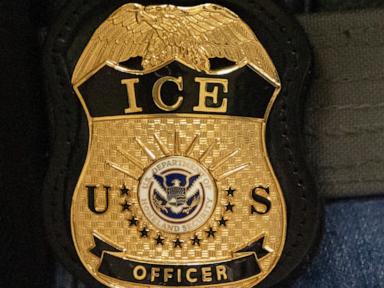
When a local prosecutor says a federal officer used an SUV as a deadly weapon, you pay attention. Even more so in Houston.
Following an October 10, 2026 enforcement operation in Houston, Harris County District Attorney Sean Teare said an Immigration and Customs Enforcement officer appeared to intentionally steer his vehicle into fleeing construction worker Miguel Parra Hernandez. A grand jury later indicted ICE officer Mario Alberto Morales on a felony charge of aggravated assault with a deadly weapon. Morales surrendered in early November, posted a $30,000 bond, and pleaded not guilty while his defense team moved toward fighting the case in federal court. If you found value in this post, you might want to read: this related article.
Honestly, this case cuts right through a messy clash between local accountability and federal enforcement power. Two stories exist side by side right now. Prosecutors and Parra Hernandez's family point to video footage showing an unmarked SUV turning toward a running man. Federal officials and Morales's defense insist it was an accident during a fast-moving operation.
http://googleusercontent.com/lmdx_content/HTyYwLljTsKIBNMoizDpYpNvBvxKSJxQpaUdJSgSdAIxSMMSzRNAXACrKZWnSsCPWXcrQTRtYlpZDrYrmiKoqKDjojGqXKgfIrLdPVwmvIBHEaiSIdaLKNKDhYgaDuBzS32187 For another look on this development, see the recent update from NPR.
Why the Houston ICE Crash Turned Into a Felony Case
A parking lot chase went sideways fast. According to reporting from CBS News and KHOU 11, Parra Hernandez, a 48-year-old Mexican construction worker, ran through a parking lot during an immigration enforcement encounter. Prosecutors say Parra Hernandez wasn't even the main target of the pursuit.
What makes this case stand out isn't just the injury. It's the video.
Teare presented synchronized body-camera footage and surveillance video from a nearby bakery during a news conference. In the DA's telling, the footage shows Morales aggressively steering toward Parra Hernandez and running over both of his legs. Teare called the evidence as clear as any he had prosecuted or investigated.
Under Texas law, aggravated assault with a deadly weapon is a second-degree felony punishable by two to 20 years in prison. A motor vehicle can qualify as a deadly weapon depending on how it's driven.
Here's where people get tripped up on headlines. An indictment isn't a conviction. A grand jury decides whether probable cause exists to bring charges, not whether guilt is proven beyond a reasonable doubt at trial. Still, getting a sitting federal officer indicted in Texas state court during an aggressive nationwide immigration crackdown is a huge deal.
Conflicting Accounts on Intent and Fault
You've got two completely different versions of what happened in those few seconds.
Morales told deputies he didn't intend to hit Parra Hernandez, saying he was trying to avoid another truck while acknowledging he didn't brake before impact. His attorney, Michael Wynne, has argued the collision was an accident and accused local officials of pushing a politically motivated prosecution. ICE has rejected claims that the strike was intentional, stating that Parra Hernandez ran in front of the vehicle and calling the local push a political stunt.
Meanwhile, Parra Hernandez's siblings told CBS News that after watching the footage, they believe the impact was deliberate. His brother Rodolfo recalled hearing cries of pain right after the hit.
In real-world vehicle-pedestrian cases, raw memory is terrible. People misjudge speed and distance under stress. That's why frame-by-frame video, vehicle trajectory, and braking data matter so much more than shouting matches at press conferences.
Federal Immunity vs. Local Prosecution
When a local prosecutor charges a federal agent over something that happened during an enforcement operation, a jurisdictional tug-of-war almost always follows.
Morales's defense signaled plans to seek moving the case from state court to federal court, arguing he was carrying out federal duties at the time. Under federal officer removal rules and Supremacy Clause doctrines, federal agents sometimes ask federal courts to take over state criminal cases—or seek dismissal—if they claim their actions fell within their official duties and were necessary and proper.
Teare has said prosecutors plan to oppose that move, contending that Morales's alleged actions fell outside the scope of his federal duties.
Let's be real. This friction isn't happening in a vacuum. Local leaders and federal agencies have clashed repeatedly over cooperation, information sharing, and use-of-force accountability during heightened immigration enforcement. Teare even acknowledged the political pressure, noting that prosecuting an ICE officer could carry risks with the Trump administration—including potential fights over federal funds for Houston—while saying prosecutors have to use good judgment.
What Happens When Injured Detainees Stay in Custody
One detail that surprises a lot of people is how medical recovery intersects with immigration detention.
Following the collision, Parra Hernandez suffered severe leg and ankle injuries requiring surgery and metal implants, along with reported nerve damage and ongoing pain, while remaining in federal immigration custody and receiving care at a hospital or rehabilitation facility. His siblings also raised alarms about his mental health and despair while separated from family in custody.
A common mistake people make is assuming that a criminal indictment against an officer automatically releases an injured detainee into family care. It doesn't. Immigration detention decisions sit on a separate federal track unless a court or federal authorities order otherwise.
How to Track This Case Without Falling for Spin
High-emotion stories like this bring out plenty of hot takes on both sides. If you want to follow how the case actually plays out without getting played by partisan spin, focus on a few concrete things:
- Watch the court docket, not just press clips. Look for filings on venue removal to federal court, pretrial motions, and the scheduled court dates—such as Morales's early December 2026 court appearance.
- Separate video from interpretation. When surveillance or body-cam clips are released or described in court filings, pay attention to steering angle, speed, line of sight, and whether another vehicle blocked the driver's view.
- Read primary reporting from established outlets. Cross-check updates across outlets like PBS News, CBS News, and Houston local stations rather than relying on unverified social media claims.
- Keep legal terms straight. An indictment is a formal accusation after grand jury review; a plea of not guilty puts the burden on prosecutors to prove intent and every element of the offense at trial.
ICE agent accused of hitting man with SUV during immigration operation expected to turn himself in
This local news clip covers the surrender timeline and the clash between Harris County prosecutors and federal immigration authorities over the Houston vehicle incident.


