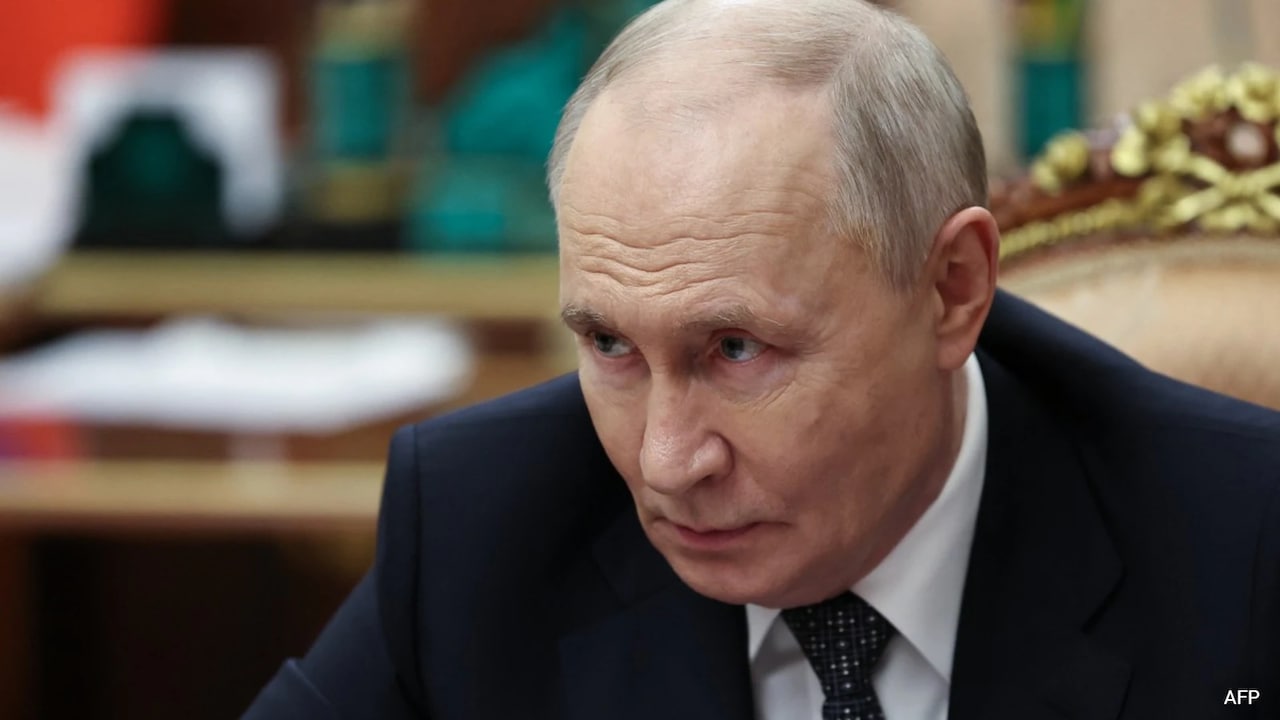
Foreign policy rarely shifts on the back of a single afternoon, but Vladimir Putin just proved everyone wrong. Stepping foot onto Iturup—an island the Japanese call Etorofu and claim as their own—the Russian leader executed his first-ever presidential visit to the disputed Kuril chain. Tokyo lost its patience immediately.
Prime Minister Sanae Takaichi called the trip entirely unacceptable, while Foreign Minister Toshimitsu Motegi hauled Russian Ambassador Nikolay Nozdrev onto the carpet for a severe diplomatic dressing down.
If you think this is just standard post-Cold War sabre-rattling, look closer. This move permanently alters how eastern Asia handles regional security.
The Eighty-Year Grudge That Won't Die
You cannot understand this crisis without looking at the map of 1945. In the closing weeks of World War II, Soviet troops swept through the Kuril archipelago, seizing the four southernmost islands—Iturup, Kunashir, Shikotan, and the Habomai islets.
Japan calls them the Northern Territories. Russia calls them the Southern Kurils.
Because neither side will surrender sovereignty, Tokyo and Moscow have never signed a formal peace treaty to end World War II hostilities. Generations of diplomats have tried to untangle this knot. All of them failed.
Putin's recent trip wasn't a casual vacation. He toured a local fish processing facility, walked through a hospital, and chatted with students while his Pacific Fleet ran heavy military exercises nearby. The message was blunt: Russia owns these rocks, and no amount of diplomatic note-passing will change it.
Why Tokyo Reacted So Viscerally This Time
Japan's leadership is currently walking a tightrope. Under former leaders like Shinzo Abe, Tokyo spent years trying to play nice, hoping that economic cooperation and quiet diplomacy might convince Moscow to hand back at least a couple of the smaller islands.
Those days are completely dead.
Since the full-scale invasion of Ukraine, Japan aligned tightly with G7 sanctions, provided non-lethal support to Kyiv, and updated its defense white papers to label Russia an active regional threat.
Putin didn't hesitate to point fingers back. He openly blamed Tokyo for destroying bilateral relations, claiming Japan adopted unprovoked hostility because of Western pressure.
When Takaichi stepped up to condemn the visit, she noted that it deliberately wounds public sentiment in Japan. She is right. The general public in Japan views the seizure as an ongoing occupation. Rubbing salt in that historical wound by touring local infrastructure makes any future reconciliation politically toxic for Tokyo's leadership.
The Real Danger on the Eastern Horizon
Look past the diplomatic statements. The physical reality around Hokkaido is growing more volatile by the month.
Russia has heavily militarized the Kurils over the years, deploying advanced coastal missile systems and fighter jets. At the same time, Moscow and Beijing have stepped up joint naval and air patrols right off Japan's coastline.
Add North Korea's alignment into the mix, and Japan finds itself surrounded by nuclear-armed neighbors who are actively cooperating against Western interests. Tokyo's defense establishment is responding by boosting its military capabilities at a historic pace.
Putin stepping onto Iturup isn't just about a local land dispute. It serves as a tactical warning shot to Tokyo. Moscow is signaling that as long as Japan backs NATO-aligned sanctions and coordinates security policies with Western allies, Russia will lean harder into its territorial control and military posture in the Pacific.
Peace treaties are off the table. Regional tension is the new baseline. Watch the upcoming defense budget announcements out of Tokyo; they will tell you exactly how fast this cold confrontation heats up.