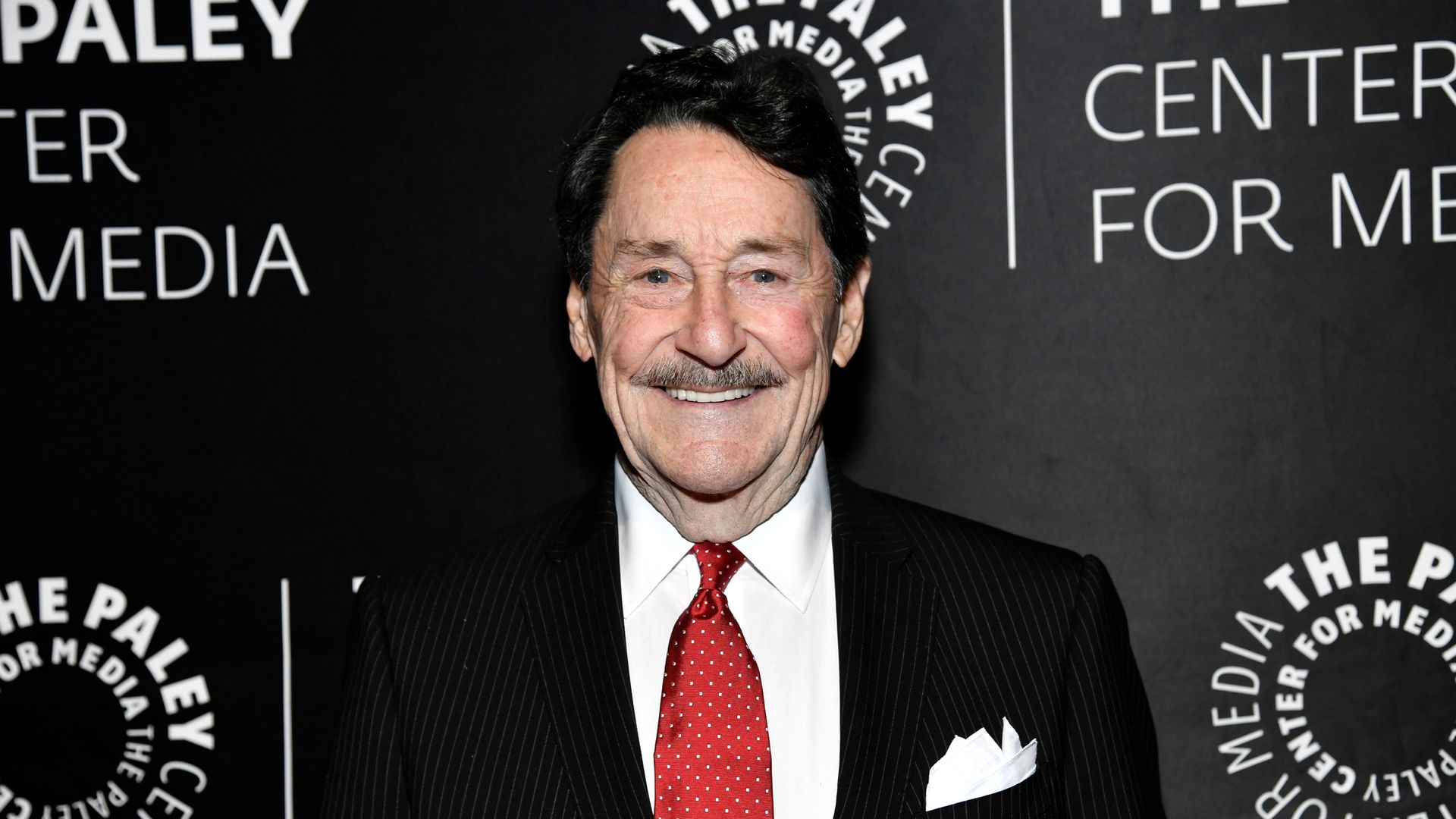
Peter Cullen died at his Los Angeles home at the age of 85, taking with him an era of vocal performance that defined modern pop culture. As the definitive voice of Optimus Prime across four decades of television, animation, and blockbuster cinema, Cullen did not merely read lines from a script. He engineered an acoustic blueprint for authority, patience, and morality that shaped generations of viewers. While mainstream retrospectives focus on the sheer nostalgia of his 1980s Saturday morning origins, the true weight of Cullen's passing lies in how he completely rewired the mechanics of heroic archetypes in Hollywood.
Before Cullen stepped into a recording booth in 1984 for a toy commercial tie-in that became a global phenomenon, animated heroes tended to sound predictable. They shouted, they postured, and they relied on bombast to project strength. Cullen rejected that template entirely. When auditioning for the leader of the Autobots, he drew direct inspiration from his older brother Larry, a United States Marine Corps captain who had returned home from combat in Vietnam. Larry offered a piece of advice that became the foundational philosophy of Optimus Prime: be strong enough to be gentle.
That single directive changed the audio landscape of action entertainment. Instead of a brash military commander, Cullen delivered a steady, resonant baritone that communicated absolute safety. He spoke with deliberate pacing, using pauses not as dramatic filler, but as a demonstration of a leader who possessed the luxury of time because he possessed the power to protect. In an industry built on high-decibel marketing, Cullen proved that true power whispers.
The Acoustic Architecture of Leadership
To understand why Cullen's performance resonated so deeply, one must examine the technical constraints and creative choices of early voice-acting sessions. In the mid-1980s, animation recording involved ensemble casts standing shoulder-to-shoulder in a studio, feeding off each other's physical energy. Cullen brought a theatrical background from the National Theatre School of Canada, treating an alien truck commander with the same dramatic gravity he might have given Shakespeare.
He manipulated his chest resonance to create a sonic depth that trickled through television speakers completely unlike any other cartoon voice of the decade. Sound engineers often noted that Cullen required less compression than his peers because his natural vocal placement carried an organic warmth. He grounded a completely absurd science-fiction premise about warring mechanical organisms from an alien planet by anchoring it in genuine, unironic emotional intelligence.
When the franchise was resurrected for live-action blockbusters under director Michael Bay in 2007, studio executives briefly considered casting younger, more contemporary action stars to voice the robotic protagonist. Fan backlash was swift and uncompromising. The studio quickly realized that a computer-generated semi-truck commanded zero emotional weight without Cullen's vocal cords behind it. His return bridged a twenty-year gap, proving that his instrument was irreplaceable.
Beyond the Matrix of Leadership
Confining Cullen's legacy solely to the Transformers universe ignores the staggering range of a career that spanned more than sixty years. The exact same vocal apparatus that projected the moral center of the Autobots was simultaneously deployed to voice Eeyore, the chronically depressed donkey in Disney's Winnie the Pooh franchise.
Shifting from an interstellar military leader to a pessimistic, slow-moving stuffed animal requires an extraordinary degree of muscular vocal control. In interviews, Cullen frequently noted that Eeyore was among his favorite characters to inhabit because it forced him to explore vulnerability. He stripped away all resonance, letting his voice sag into the back of his throat, creating a masterclass in comedic melancholy.
His resume serves as a hidden skeleton key to late-20th-century media:
- Provided the terrifying, clicking vocal effects for the alien hunter in the 1987 action film Predator
- Voiced KARR, the unstable and menacing prototype vehicle in Knight Rider
- Brought life to Monterey Jack in Chip 'n Dale Rescue Rangers
- Handled vocal duties for Mario in early animated adaptations
Each of these roles demanded entirely different acoustic profiles, yet Cullen maintained a distinct clarity across all of them. He understood how microphone proximity, breath control, and pitch modulation could completely alter a character's physical dimensions in the listener's mind.
The Vulnerability of Industrial Icons
Cullen's passing arrives at a precarious moment for the entertainment industry. Modern studios increasingly look toward synthetic voice cloning and algorithmic generation to replicate iconic characters, bypassing human actors entirely. Yet the irreplaceable nature of Cullen's work exposes the fatal flaw in that technological trajectory.
An algorithm can analyze the frequency, pitch, and cadence of Peter Cullen's voice file from 1984. It can synthesize new sentences that sound mathematically identical to Optimus Prime. What it cannot replicate is the lived experience of a Canadian radio announcer who watched his brother return from the Vietnam War. It cannot manufacture the specific emotional weight that comes from a human artist consciously deciding to model a mechanical alien after a sibling's quiet grace.
The authority in Cullen's delivery was earned through decades of theatrical discipline and personal observation. When Optimus Prime told his troops that freedom is the right of all sentient beings, listeners believed it because the person speaking those words invested his own personal code of honor into the performance.
Tributes from fans and colleagues have poured in following the announcement by his agent, Kevin Motley. Yet the most fitting memorials are found not in corporate press releases, but in the quiet commitment of fans who took his family's final public request to heart. The industry has lost a titan of voice acting, but the acoustic template he forged for modern heroism remains permanently embedded in the culture, sounding out every time someone chooses to be strong enough to be gentle.