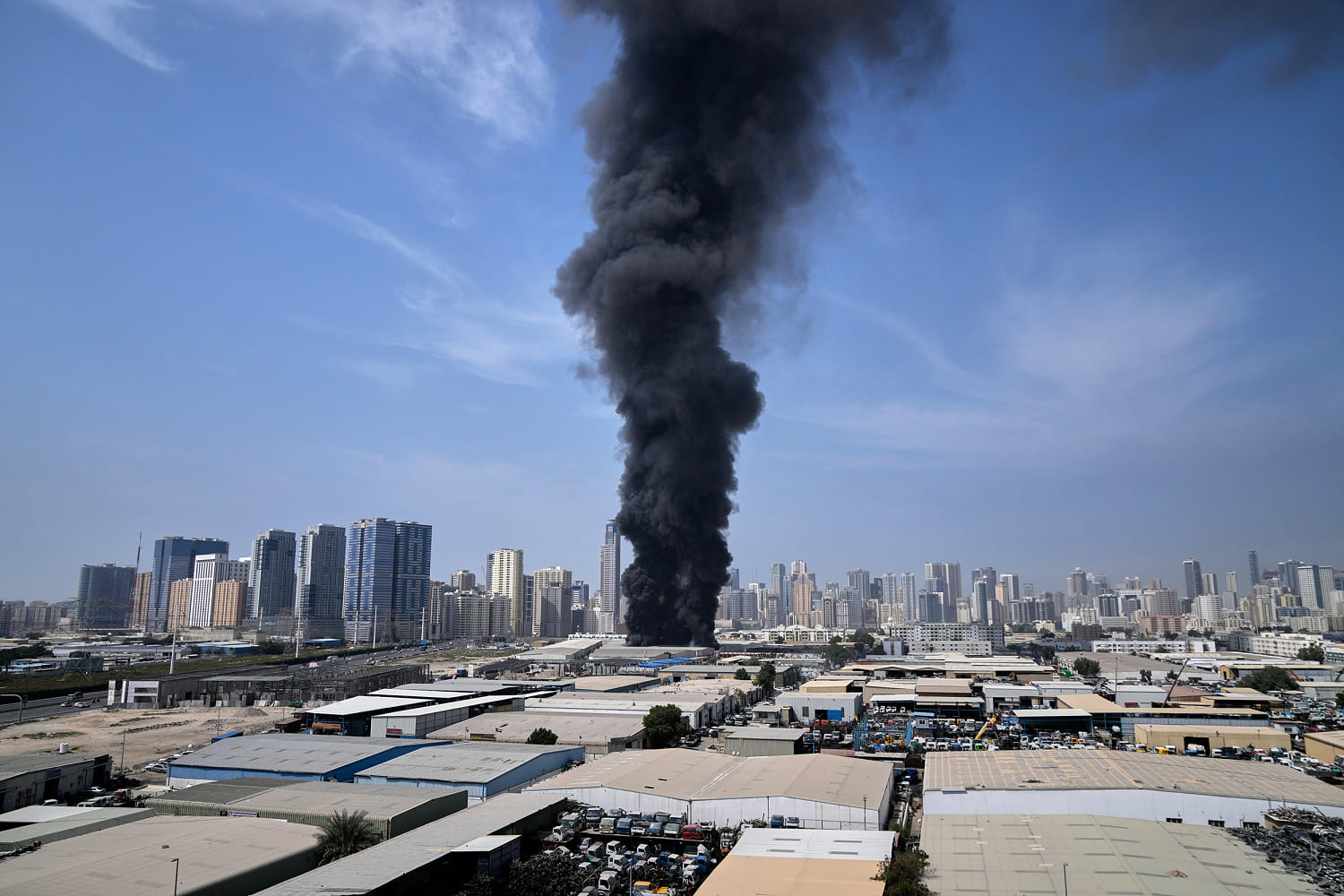
The first UK government-chartered flight out of the Middle East just landed, but if you're waiting for a "golden ticket" evacuation, you're playing a dangerous game. For months, the Foreign, Commonwealth & Development Office (FCDO) has been shouting from the rooftops: leave now while commercial options still exist. They aren't kidding. Relying on a government rescue mission as your primary exit strategy is a mistake that could leave you trapped in a combat zone.
The Reality of Middle East Repatriation Flights
The UK government recently confirmed the departure of its first chartered flight to assist British nationals fleeing the escalating violence. This isn't a free ride, and it isn't a luxury service. Passengers are being charged around £350 per seat, and the criteria for who actually gets on that plane are incredibly strict. Expanding on this topic, you can find more in: Why the Green Party Victory in Manchester is a Disaster for Keir Starmer.
If you think you can just show up at the airport and flash a passport, you're wrong. These flights are organized via a registration system that prioritizes the "vulnerable." In the eyes of the FCDO, that usually means:
- The elderly (specifically those over 65).
- People with documented medical conditions.
- Families with children under 18.
- Dependants of British diplomats.
Everyone else? You're essentially at the back of a very long, very stressed-out queue. Analysts at USA Today have provided expertise on this situation.
Registration Is Not a Seat Guarantee
Thousands of British nationals have already registered their presence in Lebanon and the surrounding region. Registration is the absolute bare minimum you should do, but it’s not a booking. It’s essentially a "keep me in the loop" button.
When the government decides to pull the trigger on a flight, they contact the people on that list. If you haven't registered, you don't exist to them. However, even if you have registered, the FCDO has been blunt: they cannot guarantee everyone will be evacuated. The window for these flights is narrow. Airspace can close in minutes. If the security situation at Beirut-Rafic Hariri International Airport or Ben Gurion Airport deteriorates further, those chartered planes won't be landing.
The High Cost of Hesitation
I’ve seen this play out before in Kabul and Sudan. People wait. They wait for the "official" word, or they wait for prices on Middle East Airlines or El Al to drop. Then, the infrastructure collapses.
Right now, commercial flights are still running, albeit with massive price hikes and frequent cancellations. Yes, a commercial ticket might cost you double what it did last month, but it’s a guaranteed exit. Waiting for a £350 government flight that might never come—or that you might not qualify for—is a massive gamble with your safety.
What Happens if You Stay
If you choose to ignore the advice to leave, you need to be prepared for the reality of "sheltering in place." This doesn't just mean staying indoors; it means surviving without reliable infrastructure.
- Medicine Shortages: Most reputable hospitals in the region are private and currently overwhelmed or facing supply chain breaks.
- Power and Water: Fuel shortages mean backup generators are failing. No fuel means no water pumps and no lights.
- Communication Blackouts: We’ve already seen how communication devices can be targeted or networks can be jammed during active hostilities.
The Logistics of Leaving
If you're still in Lebanon or northern Israel, your options are shrinking. Land borders are notoriously unpredictable. The FCDO explicitly advises against leaving Lebanon via land crossings because of the volatility.
Some people have turned to private charters or even yachts to get to Cyprus. It’s expensive—anywhere from £1,500 to £2,500 per person—but for those with the means, it's been the only way out as flight schedules crumble.
Your Immediate Checklist
If you're a British national in the region, stop reading and do these three things immediately:
- Register your presence: Use the official GOV.UK portal for whichever country you’re in. This is the only way you get the link to the flight booking portal.
- Check your documents: Ensure your passport has at least six months of validity. If you have non-British dependants, verify their visa status now. They won't let a spouse on the plane without the correct paperwork, regardless of the crisis.
- Book anything that flies: If there is a commercial seat available to any safe third country—Turkey, Cyprus, Jordan—take it. Don't wait for a direct flight to London.
The government's job is to provide a safety net, but that net has holes. The responsibility for your departure lies with you. History shows that those who leave early are the ones who get home without the trauma of a frantic, last-minute evacuation. Don't be the person waiting at a closed airport gate while the last plane disappears into the clouds.