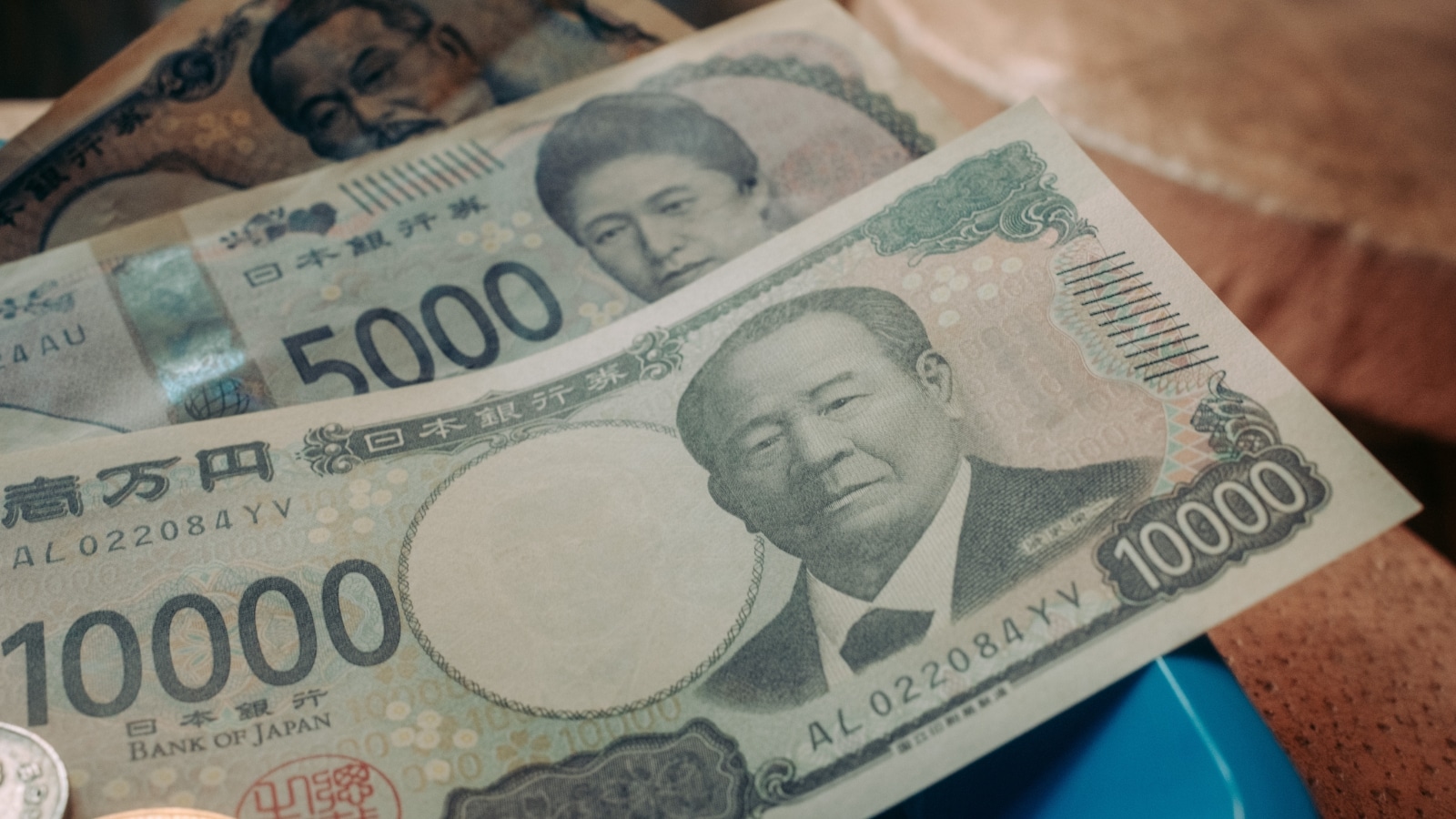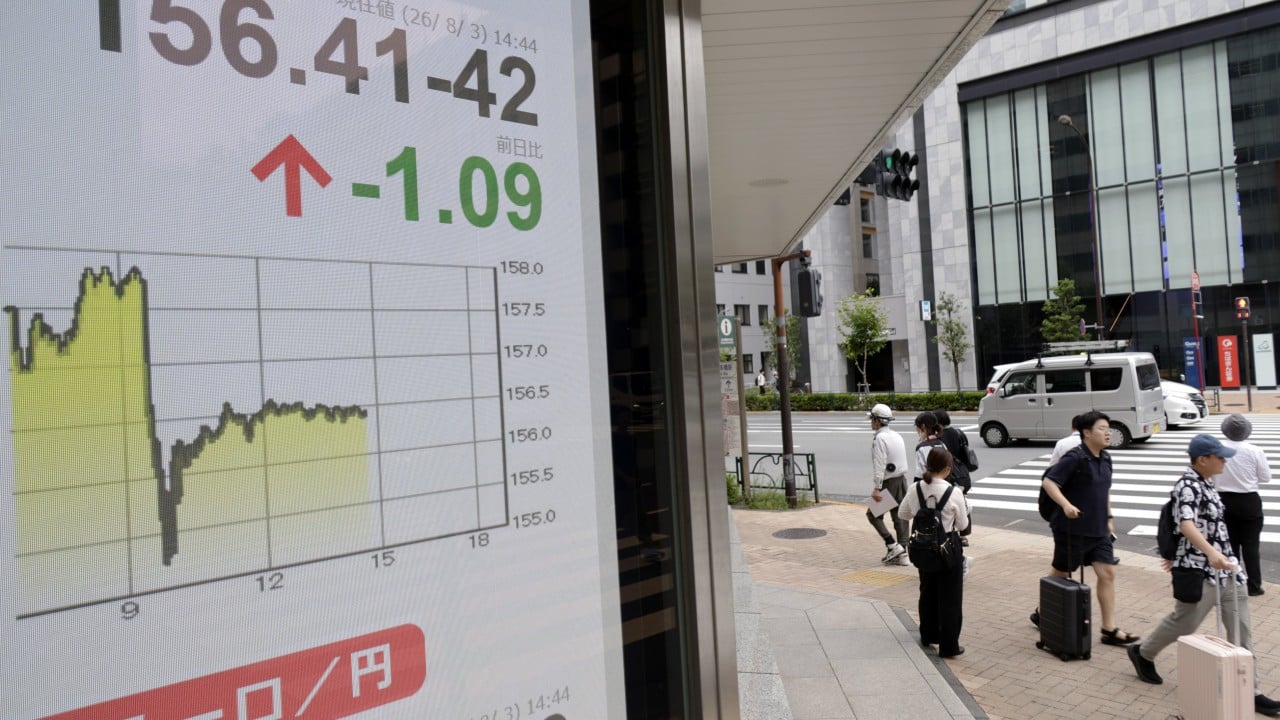
Washington wants Tokyo to hike interest rates. The consensus says it is about saving the yen. The consensus is dangerously naive.
When Treasury officials lean on the Bank of Japan to tighten policy under the guise of currency stabilization, they are not protecting Japanese prosperity. They are demanding a ritual sacrifice. For decades, the financial commentariat has treated exchange rates like a moral scoreboard where a strong currency equals economic health and a weak currency equals failure. That framework is broken. Forcing Japan to choke its own liquidity to prop up the yen is an economic disaster disguised as monetary medicine.
I have spent two decades watching central bankers misdiagnose structural deficits as currency problems. I have seen desks blow billions trying to defend arbitrary lines in the sand while ignoring the underlying mechanics of debt, demographics, and capital flows.
The Fallacy of the Strong Currency Fetish
Let us dismantle the core premise of the mainstream argument. The conventional line goes like this: a weak yen imports inflation, crushes domestic purchasing power, and forces the Bank of Japan to rescue households by raising borrowing costs.
It sounds tidy. It completely ignores how Japan actually makes its money.
Japan is a net creditor nation with a massive industrial export engine and deep foreign asset holdings. A weaker yen acts as a natural shock absorber for corporate earnings. It inflates the repatriated profits of multinational giants like Toyota and Sony, which then pump capital back into domestic supply chains and wages. When bureaucrats pressure Tokyo to hike rates to reverse this dynamic, they are targeting a symptom while attacking the cure.
Raising rates in a debt-saturated economy like Japan does not just strengthen the currency. It detonates government borrowing costs. Japan’s debt-to-GDP ratio sits above two hundred percent. If the central bank normalizes rates to appease foreign treasury officials, the sovereign interest bill explodes. Tokyo would be forced to choose between funding social security and servicing its own debt.
The Hidden Motive Behind the Pressure
Why would US officials push a strategy that threatens Japan’s fiscal stability? Follow the capital.
For years, Japanese institutional investors have recycled their massive domestic savings into higher-yielding foreign instruments, predominantly US Treasuries. When the yen drops, the cost of hedging those foreign bond positions spikes, or capital repatriation pressure builds. Washington needs a steady buyer for its endless debt issuance. By nudging Tokyo toward higher domestic yields, American policymakers hope to keep Japanese capital pinned at home or make Japanese buyers more aggressive absorbers of dollar-denominated debt.
It is an asymmetric power play. US officials frame this as friendly advice between allies. It is actually a demand that Japan compromise its domestic recovery to help manage America’s deficit hangover.
To understand why this strategy fails, look at the arithmetic of monetary tightening.
- The Rate Differential Illusion: Traders assume closing the gap between Fed and BOJ rates will instantly snap the yen back to historical norms. It ignores structural portfolio shifts and structural energy import dependencies.
- The Domestic Debt Trap: Every basis point hike increases the Japanese government's debt-servicing burden exponentially.
- The Export Shock: Stripping away the currency buffer destroys the profit margins of small and medium-sized enterprises that form the backbone of regional employment.
What Happens When You Fight Gravity
Imagine a scenario where the Bank of Japan caves entirely. They abandon yield curve control, aggressively hike rates to three or four percent, and artificially force the yen higher against the dollar.
Within six months, corporate earnings from overseas tumble. Domestic mortgage holders face exploding variable rates. Consumption stalls because households are suddenly paying more to service mortgages and consumer debt. Tax revenues drop just as debt servicing costs surge. The bond market convulses as financial institutions sitting on massive unrealized losses in their legacy bond portfolios face a liquidity crunch.
The cure kills the patient.
The obsession with the USD/JPY exchange rate misses the broader transformation happening in global trade. Currencies fluctuate based on productivity differentials, energy costs, and structural capital flows. You cannot legislate a currency higher through monetary tightening without breaking the economic engine underneath it.
The Unspoken Alternative
If Tokyo wants to fix its currency problem sustainably, it must do the exact opposite of what Washington suggests.
Stop managing the exchange rate. Let the currency float wherever global markets price it based on real productivity. Focus ruthlessly on structural deregulation, energy diversification, and labor mobility to boost domestic organic growth. A strong economy creates a strong currency naturally. A weak economy forced into artificial tightening creates a debt spiral.
Stop listening to officials who treat your balance sheet as collateral for their own macroeconomic experiments. Let the currency bleed if it must, build things the world actually wants to buy, and let the market settle its own scores.
The next time you hear a foreign dignitary lecture Tokyo on the virtues of a stronger yen, remember what they are really asking for: your financial sovereignty, wrapped in a polite diplomatic request.