The air changes hours before the rain arrives. It grows heavy, thick with the scent of damp asphalt and crushed salt, pressing down on the chest until breathing feels like an intentional chore. Out on the coast, the palms stop swaying and begin to lash, their fronds snapping like whips against a bruised purple sky.
Somewhere fifty miles inland, Elena is taping her windows with an X of blue painter's tape, a ritual that everyone knows is mostly psychological protection against the glass-shattering roar of an oncoming storm. She looks at her phone. The alert is flashing again. Hurricane Isaias. Millions under warnings. Dangerous storm surge.
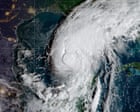
To the meteorologists staring at radar sweeps hundreds of miles out in the Atlantic, Isaias is a spiraling geometry of pressure systems and wind vectors, a swirling vortex of reds and oranges marching deliberately toward the eastern seaboard. But to the families standing in hardware store lines for plywood and bottled water, it is an invisible clock ticking down to zero.
Weather reports love numbers. They tell us about sustained winds measured in miles per hour, barometric pressure drops, and categories etched into a scale from one to five. Yet numbers fail to capture the singular, hollow dread of sitting in a quiet kitchen while the power hums its final warning and dies.
Consider what happens next.
When a storm surge pushes three, four, or five feet of ocean water over coastal dunes and into suburban streets, it does not arrive as a gentle tide. It comes as a relentless, murky engine. It smells of decaying marsh grass and motor oil. It lifts patio chairs and garbage cans, turning ordinary household debris into battering rams against front doors.
Elena remembers Hurricane Floyd years ago. She remembers the sound—not a whistle, but a deep, structural groan, as if the earth itself were protesting the violence of the water. Back then, evacuation orders felt like an overreaction until the moment the street turned into a brown river carrying neighbor's mailboxes and stray cats.
Isaias carried that exact brand of quiet terror. As it tracked northward along the coast, carving a path from the Caribbean through the Bahamas and setting its sights on Florida, the Carolinas, and the Mid-Atlantic, it demonstrated a frustrating, erratic stubbornness. Storms do not read the forecast models. They wobble. They strengthen over warm ocean eddies. They decelerate, dumping monumental volumes of rain over communities that thought they were safely out of the direct path of the eye.
Warnings are issued in boardrooms and broadcast from television studios, but they are experienced in the dark.
A hurricane warning means preparation time has expired. It means the bridge lanes have been reversed, the gas stations are boarded up with hand-painted Closed signs, and the choice to stay or leave has been wrestled with, fought over at kitchen tables, and ultimately decided. For the millions under the gun during Isaias, the hardest part was never the wind. It was the waiting.
There is a strange, surreal stillness that settles over a town bracing for landfall. Traffic lights swing wildly on their cables, blinking amber or going completely dark. Schools sit empty, their parking lots serving as staging grounds for utility trucks with out-of-state license plates. Inside homes, batons are filled with tap water just in case the municipal lines fail, and refrigerators are crammed to the top because a cold freezer is the last line of defense against spoiled food.
We talk about infrastructure resilience, seawalls, and evacuation routes as if they are abstract policy items. They are not. They are the difference between a family sleeping in a gymnasium cots-row or waking up to find their childhood photographs floating in two feet of brackish garage water.
When Isaias finally made landfall, it brought more than wind shear; it brought the psychological weight of compounding crises. Evacuating during a normal summer is stressful enough. Doing so while navigating shelter capacities, social distancing anxiety, and economic fragility stretches human endurance thin. People weighed the risk of drowning against the risk of displacement, balancing immediate survival against long-term ruin.
We rely on satellites orbiting thousands of miles above the planet to warn us of these atmospheric beasts. We track their coordinates with cold, digital precision. Yet every meteorological statistic represents a human story. Every polygon on a hurricane tracking map covers neighborhoods where children are clutching stuffed animals, wondering why the lights went out, and elderly residents are checking their oxygen tanks.
The storm eventually passed. The winds died down, the floodwaters slowly receded into storm drains and tidal creeks, and the sun broke through the torn canopy of clouds, glaring down on streets littered with fallen oaks and tangled power lines. Utility crews in hard hats went to work in the humid heat, replacing transformers and clearing blocked culverts.
Life resumed its ordinary rhythm. The blue tape was peeled from the windows, leaving sticky residue in the August sun.
Yet the ocean remains warm. The atmosphere remains restless. And somewhere out over the open water, far beyond the reach of radar towers and evening news broadcasts, the next invisible clock is already beginning to tick.