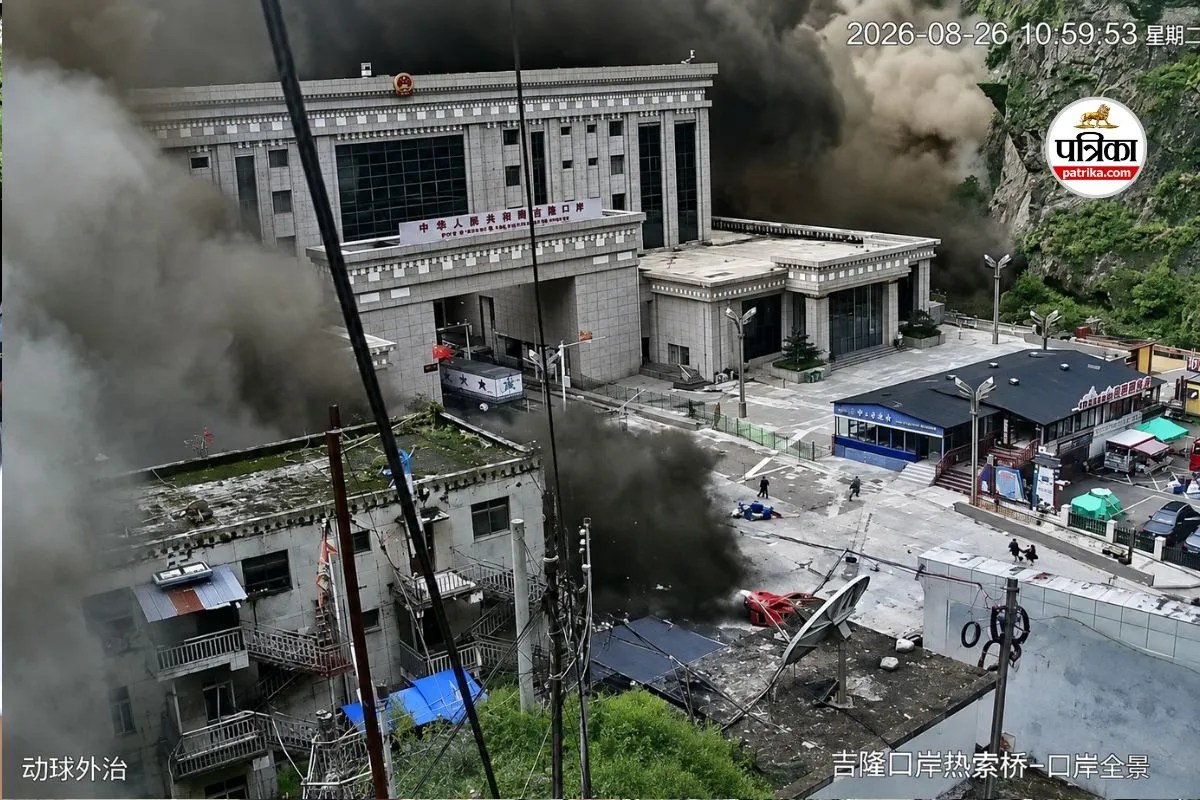
A deafening roar echoed through the mountain valley before anyone realized what was happening. In a matter of seconds, a massive wall of ice, mud, and rock crashed down from the Tibet border into the swollen channels of the Bhote Koshi and Trishuli rivers.
The Nepal flash flood caught hundreds of travelers off guard. Multi-story buildings vanished into the churning grey torrent almost instantly.
If you've been tracking news updates about the recent disaster, you already know the human toll is staggering. Over 160 people have died, and hundreds remain unaccounted for. Among the missing are scores of pilgrims undertaking the sacred Kailash Mansarovar Yatra.
Let's look at what actually happened on the ground, why this route turned deadly, and how the rescue efforts are unfolding.
The Morning the Mountain Gave Way
The disaster struck without warning on a Wednesday morning. Travelers near the Rasuwagadhi border and the Gyirong immigration facility in Tibet faced the worst of it.
Tour operators and survivors reported hearing a sound resembling an explosion just before the ground shook. A wall of water rose over 30 feet high in places, swallowing roads, bridges, security posts, and local settlements.
Key infrastructure collapsed within minutes. The Nepal-China Miteri Bridge was swept away entirely, cutting off the vital overland corridor.
Convoys of buses carrying pilgrims heading toward Tibet found themselves trapped. Some vehicles managed to pull back to safety, but others were overwhelmed by mudslides and debris tumbling down the gorge.
Impact on the Kailash Mansarovar Yatra
The private overland route via Nepal is popular because it's accessible, but this tragedy exposed its extreme geographical risks.
Spiritual organizations and travel agencies confirmed that multiple groups were caught right at the border crossing. For instance, a group of 77 foreign nationals organized through the Isha Foundation was stationed at the Gyirong immigration center when the flood inundated the entire area. Other tour groups from southern India and various global locations reported buses stranded or missing near the border checkpoint.
Communication lines snapped immediately. Cellular towers went down, and fiber networks failed across Rasuwa, leaving families and authorities in the dark. While thousands of pilgrims on official government routes through Uttarakhand and Sikkim remained safe, those relying on the Nepal-Tibet highway faced an unprecedented bottleneck of destruction.
Scale of Destruction and Ongoing Rescue Operations
Search and rescue teams face monumental hurdles. The Nepal Army, Nepal Police, and Armed Police Force deployed drones, helicopters, and ground squads, but blocked roads and continuous mud hindered their movement.
The physical data from the region highlights the sheer force of the deluge:
- Over 160 confirmed fatalities, with bodies recovered tens of kilometers downstream.
- Nearly 800 people reported missing or out of contact across northern districts.
- Dozens of bridges, hydropower stations, and miles of vital roadway washed out.
Downstream, authorities in neighboring states like Bihar issued high alerts. Officials opened all gates of major barrages to manage the sudden surge of water flowing across the border.
Emergency helplines remain active through the Indian Embassy in Kathmandu and local administrative control rooms. If you have family members traveling in the region, rely strictly on verified updates from the Ministry of External Affairs or official state emergency desks rather than unverified social media reports. Check local advisories before planning any Himalayan transit over the coming weeks, as authorities continue to assess structural stability across the entire river basin.