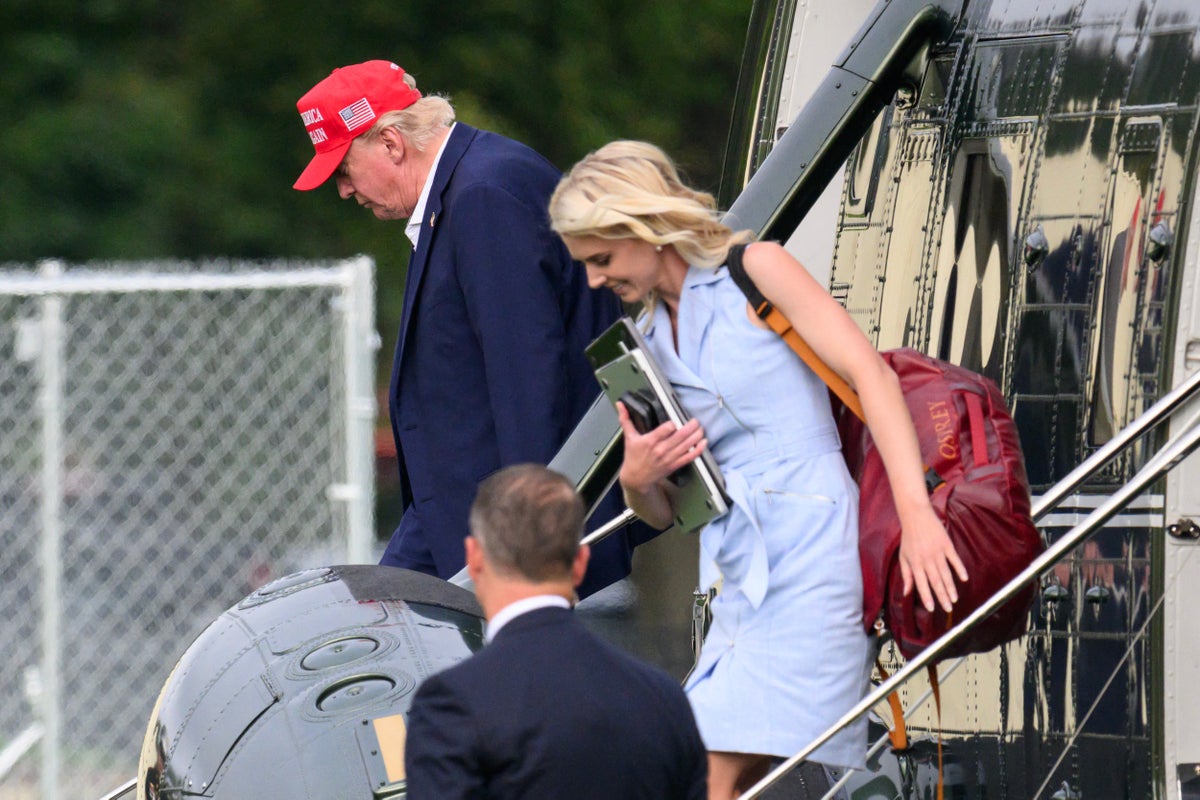
When headlines started swirling about high-profile administration staffers receiving substantial financial gifts, Washington didn't stay quiet for long. Natalie Harp and several other prominent figures found themselves at the center of a swirling controversy over $45,000 gifts, forcing the White House into a very public defense. Critics immediately smelled trouble, calling ethics into question and pointing fingers at potential conflicts of interest. But the administration stood its ground, offering a starkly different narrative about what actually happened behind closed doors.
Let's look at why this story triggered such an intense media firestorm and what it reveals about modern political optics.
The Anatomy of the 45000 Dollar Gift Controversy
Public servants receiving high-value gifts is always a lightning rod. When news broke that staffers like Natalie Harp received these specific payments or packages valued around $45,000, watchdogs and rival politicians treated it like blood in the water. Ethics rules in federal service are notoriously complex, filled with reporting thresholds, disclosure mandates, and strict limits on what officials can accept from outside entities.
The administration’s defense rested on a specific legal and structural interpretation. Officials argued that the transactions didn't violate federal ethics statutes because of how the funds were categorized, sourced, or structured. Yet, transparency advocates counter that legality is a low bar when public trust is hanging by a thread.
Why Natalie Harp Became the Focal Point
Natalie Harp isn't just another faceless bureaucrat. Known for her prominent role and close alignment with Donald Trump's inner circle, she draws immense media attention wherever she goes. When her name appeared tied to a $45,000 disbursement or gift, the story immediately jumped from a standard bureaucratic footnote to prime-time cable news fodder.
Personal loyalty in politics always magnifies scrutiny. If an ordinary staffer receives a questionable perk, it makes local news. When a visible surrogate gets tied to a five-figure sum, it becomes a referendum on executive culture. The administration recognized this dynamic instantly, deploying spokespeople to push back against the framing that anything unethical or untoward had occurred.
The Broader Battle Over Political Ethics
This incident highlights a much larger fracture in how Washington views accountability. One side sees the defense of these gifts as classic political stonewalling, a sign that rules only apply when convenient. The other side views it as an aggressive media hit job designed to smear loyal staffers over legally compliant transactions.
Both narratives miss the quieter reality. Federal ethics laws were written decades ago for a vastly different political ecosystem. They struggle to keep pace with modern political fundraising, super PAC structures, and high-level patronage networks. Until those rules are modernized, every high-dollar gift will trigger the exact same partisan trench warfare.
Stop expecting a sudden bipartisan consensus on what constitutes an acceptable gift in modern politics. It won't happen. As long as public office remains intertwined with massive political movements, every dollar will be litigated in the court of public opinion long before it reaches a judge.


