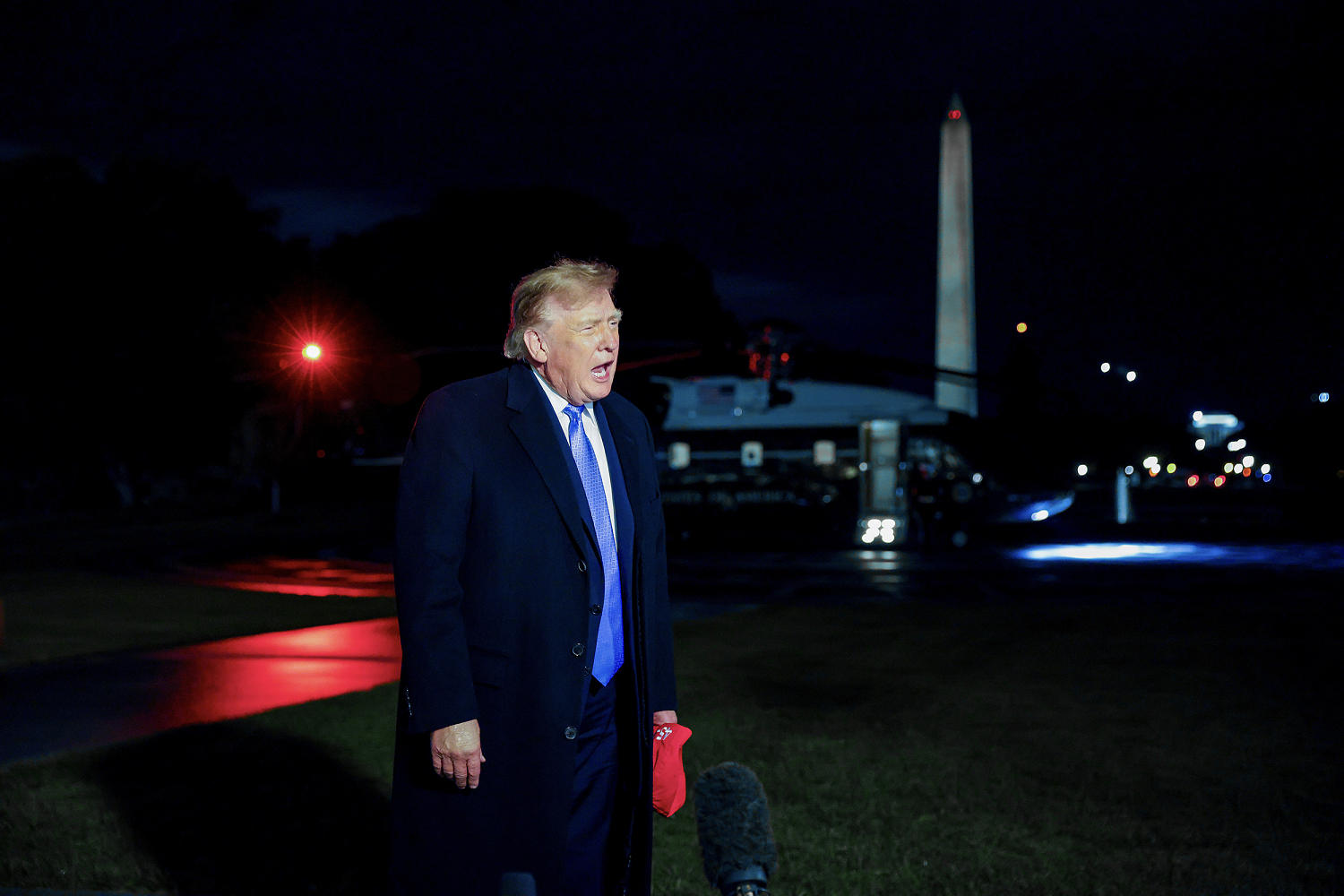
Governments run public service announcements all the time. They tell you to get vaccinated, prepare for hurricanes, or buckle your seatbelt. But when the White House rolled out a multi-million dollar television campaign featuring repurposed 2024 campaign footage—including a spot titled "Final Battle" where President Donald Trump rails against the "deep state" and vows to expel warmongers—people noticed it wasn't a normal public service announcement.
It cost roughly $13 million just for that single ad slot, paid for with taxpayer money, and aired during high-profile sports broadcasts and Sunday morning political shows. Unsurprisingly, it triggered an immediate firestorm over the line dividing government communication from partisan campaign propaganda. Meanwhile, you can find similar developments here: The Salesman in the Oval Office.
The Anatomy of a Taxpayer-Funded Controversy
The trouble started when ad-tracking services and ethics watchdogs flagged a series of federal spots hitting television screens. Alongside spots about foreign policy and national pride, the "Final Battle" ad stood out because it looked and sounded identical to campaign trail rhetoric.
Ethics lawyers from multiple past administrations jumped on the rollout, calling it a blatant misuse of public funds. Former White House lawyers pointed out that using federal coffers to broadcast clips of a president promising to rout the media and smash political enemies crosses a clear legal boundary. Even some Senate Republicans broke ranks, admitting the message might resonate with supporters, but shouldn't be bankrolled by ordinary taxpayers. To see the complete picture, we recommend the recent report by The Guardian.
The Democratic National Committee wasted little time filing a federal lawsuit to halt the ads, arguing that pumping millions in federal dollars into recycled campaign material right before midterm elections violates federal law. A federal judge ultimately issued a temporary restraining order blocking the spots from airing on the public dime, concluding that the administration moved too fast to mask campaign messaging as government information.
Historical Precedent or Unprecedented Overreach
Defenders of the administration pointed to past practice, noting that previous White House occupants—from George W. Bush to Barack Obama and Joe Biden—also spent millions on ad campaigns promoting major legislative packages or public initiatives. The George W. Bush administration, for instance, heavily promoted Medicare prescription drug benefits using federal funds, while the Obama administration pushed health insurance enrollment through broadcast spots.
Yet legal scholars argue there is a vast gulf between explaining a federal healthcare benefit and broadcasting an audio track vowing to demolish internal government adversaries. Richard Painter, a former ethics lawyer for George W. Bush, noted that comparing routine informational outreach to a direct political grievance video simply doesn't hold up under scrutiny.
Faced with mounting lawsuits and a federal injunction, the administration shifted tactics, with the president asserting that future airings would be covered by political action committees rather than the Treasury. Even so, the damage was done. The controversy exposed how easily the lines of institutional power can be blurred when executive machinery meets campaign strategy.
The legal fallout continues to ripple through Washington as watchdog groups push for full reimbursement of public funds spent on the spots. When the dust settles, this episode will likely serve as a textbook case study on the limits of executive authority over the federal budget.
The video below covers the details of the legal battle and the government's response in court.