White House press access isn't just about badge swipes and briefing room seats. When the Trump administration locked out CNN, Politico, and MS Now, it triggered a high-stakes constitutional showdown. But what happened next broke the usual script of political retaliation.
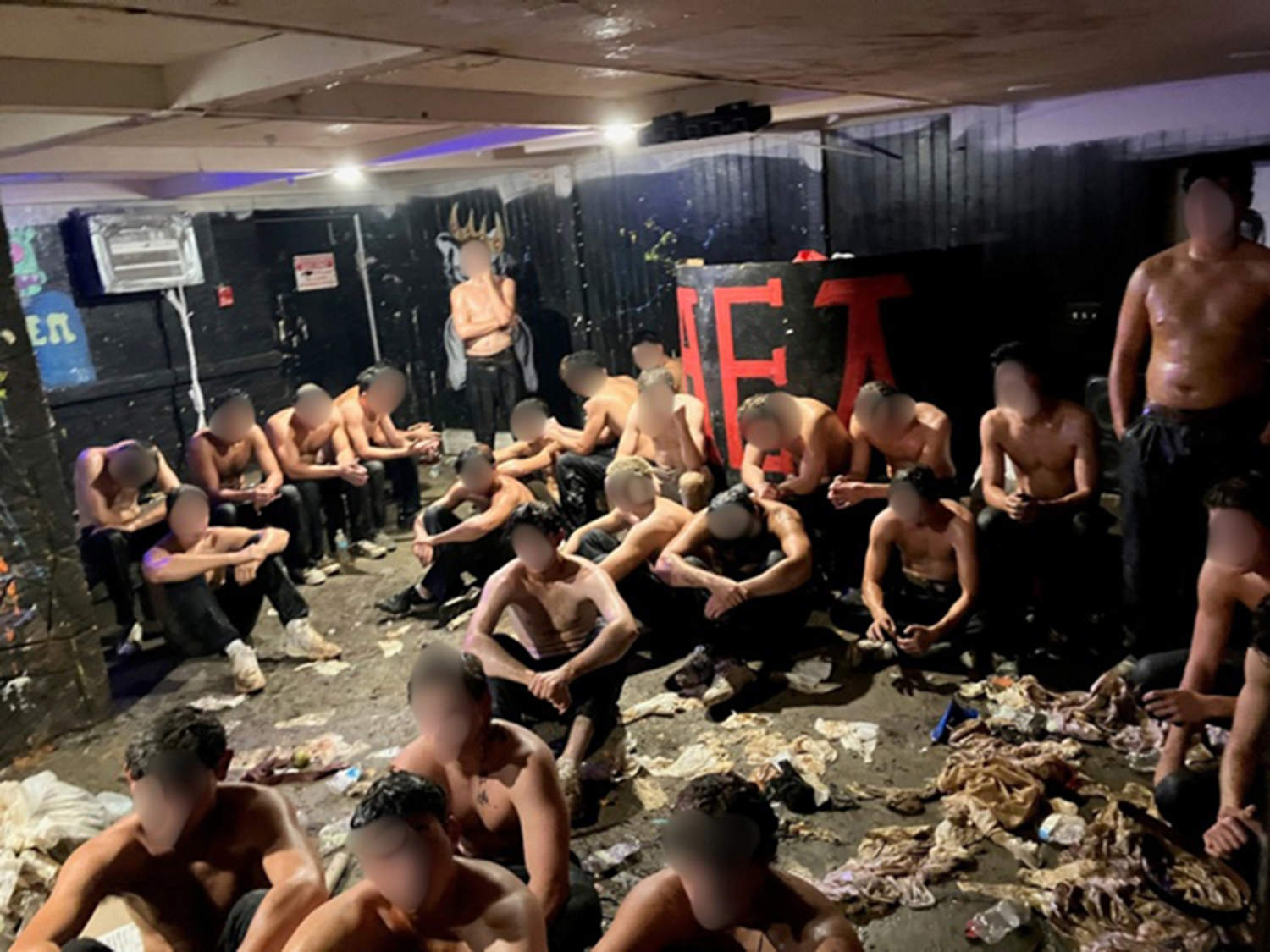
Instead of filing routine complaints, rival television networks did something unexpected. They went dark on pool duties. You might also find this related article interesting: When Greek Life Becomes a Torture Chamber The Rot Inside Modern Hazing.
You don't often see corporate broadcast competitors unite against executive pressure. When the White House blocked specific outlets over coverage disputes, major networks like ABC, CBS, NBC, and Fox News faced a choice. They could quietly accept a rotated substitute for CNN on pool duty, or they could refuse to play ball. They chose refusal.
The resulting blackout of presidential coverage during major events—including the UN General Assembly—proved that the machinery of administration PR relies entirely on cooperative journalism. If the pool doesn't roll, the cameras don't feed. As extensively documented in recent coverage by NBC News, the implications are notable.
The Mechanics of the Press Pool Standoff
The conflict kicked off when administration officials revoked press credentials and barred reporters from the complex. Secret Service agents physically blocked journalists from entering. Legal teams rushed to federal court, arguing that viewpoint-based exclusion violates Fifth Amendment due process rights.
U.S. District Judge Timothy Kelly stepped in with a temporary restraining order, pointing out a glaring legal flaw. Past appellate decisions established clear rules for stripping press credentials. The White House simply skipped those required steps.
Passes were reinstated. Journalists walked back onto the North Lawn. Yet, the underlying tension didn't vanish with a judge's signature.
Why Broadcasters Stood Together
Network executives understand a fundamental reality. If an administration can unilaterally ban one news organization for critical coverage today, any outlet can find itself outside looking in tomorrow.
Solidarity in journalism is historically fragile. Ratings incentives push networks to compete rather than cooperate. Yet, cutting off the pool feed forced a structural crisis. An administration eager to showcase events to the public suddenly found its major addresses lacking the standard broadcast network distribution.
When the video feed resumed, it came with sharp reminders about the fragility of access. Legal battles over preliminary injunctions and permanent rules don't resolve overnight. The Department of Justice signaled appeals, and administration officials made it clear they intend to keep pushing constitutional boundaries on executive control over federal property.
What This Means for Future Administrations
Access is leverage. Every White House uses press credentials to manage the narrative, grant favors, and punish perceived slights. But turning administrative gatekeeping into outright viewpoint discrimination crosses a legal red line.
Federal courts keep reminding the executive branch that public grounds housing a press corps aren't private corporate offices. Due process applies. Credential revocations require clear, defensible justification—not just a reaction to a tough headline.
Watch how future press offices handle critical reporting. This showdown set a hard precedent. When networks decide that protecting a competitor's seat protects their own, executive leverage drops sharply.