Sweat and the Asphalt
July in Houston does not merely feel hot. It heavy-presses against your chest, a suffocating blanket of moisture rising from the concrete, thick enough to taste.
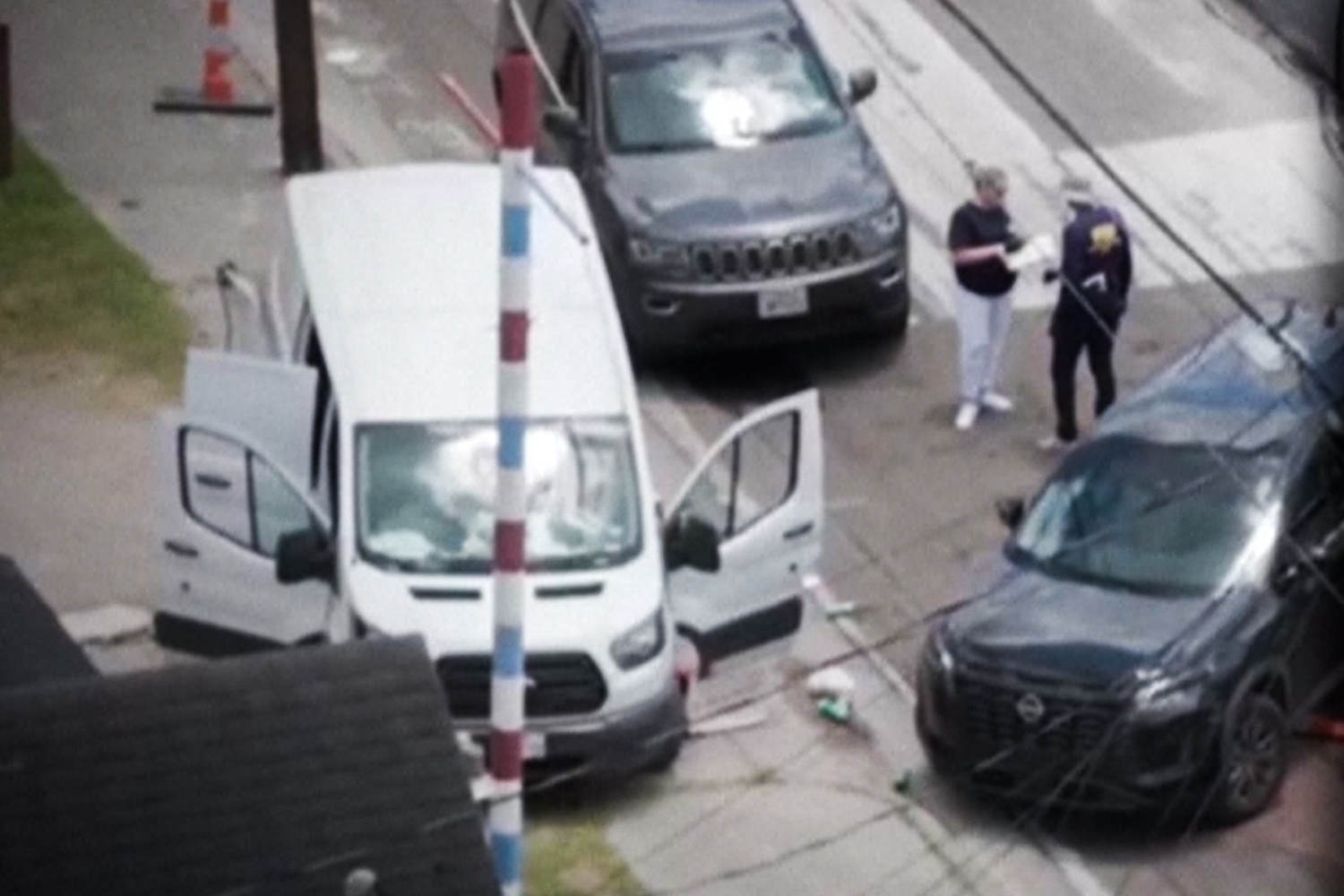
For thirty-five years, Lorenzo Salgado Araujo knew this heat. He knew the precise, grueling labor of construction under a Texas sun that turns truck beds into griddles and tools into branding irons. At fifty-two, he had built a life here, raising children who became American citizens, working quietly, staying clear of trouble. He had no criminal record. On July 7, he was driving a white cargo van with his brother, Victor, and another coworker. Don't miss our previous post on this related article.
By the end of that morning, Lorenzo was dead, shot by an Immigration and Customs Enforcement agent.
The initial explanation from authorities was swift, familiar, and sparse: self-defense during an ICE operation. The agents involved wore no body cameras. Lorenzo, it turned out, was not even the target of their operation. But as public anger mounted and independent investigations began, a new narrative suddenly materialized from a federal courthouse. If you want more about the context here, TIME provides an informative summary.
An FBI special agent filed a public search warrant application. He noted that, peer through the glass of the shot-up van, one could see small, clear plastic bags on the dashboard and passenger floorboard. Inside those bags was a white, crystal-like substance.
Based on how it looked, the agent swore he believed it was methamphetamine.
The Chemistry of Hard Labor
To those who sit in air-conditioned offices, a white crystal in a plastic bag is a chemical equation of vice. It is a prompt for a warrant, a justification of suspicion, a retroactive shield for violence.
But there is another kind of chemistry on a Texas construction site.
Consider the reality of working ten-hour days in 100-degree weather. Water alone is not enough to keep a human body from collapsing when it is sweating out liters of fluid an hour. If you do not replenish your electrolytes, your muscles cramp, your head spins, and your heart flutters.
"After consulting with my client and his family, our understanding is that this was granulated salt," said Ruby Powers, the attorney representing Lorenzo’s detained brother, Victor.
It was a home remedy. A survival kit. You take the crystallized salt, squeeze in a fresh lemon, and mix it with cold water. It is a crude, highly effective electrolyte mix used by thousands of outdoor laborers across the American Southwest.
Lorenzo had packaged the salt in small bags so he could pour it easily into water bottles while working on the hot asphalt.
What the federal government rushed to label as illicit narcotics was, in reality, the literal salt of the earth.
The Public Execution of Character
The FBI warrant, which would normally remain quiet during an active investigation, was unsealed and made public with unusual speed—just days before Lorenzo’s family was scheduled to hold his viewing and funeral.
To the Salgado family, the timing felt deliberate. It felt like character assassination. It felt like an attempt to taint the reputation of a dead father, brother, and neighbor before he was even in the ground, shifting the public conversation from why did an federal agent kill an unarmed man to what was in the van.
Even local officials have cast doubt on the federal narrative. Harris County District Attorney Sean Teare, whose office is running an independent investigation into the shooting, expressed skepticism about the drug allegations, noting his team has its own information. He has urged the FBI to release the chemical test results immediately.
Meanwhile, Victor Salgado remains locked in an ICE detention center, unable to easily speak with his family or his lawyer to defend his brother's memory.
But the truth of what was in those bags, while crucial for clearing Lorenzo's name, does not alter the fundamental geometry of what happened on July 7. A chemical test will not bring a father back to his children.
No test result can rewrite the moment a weapon was fired. You cannot shoot first, and test the dashboard salt later.