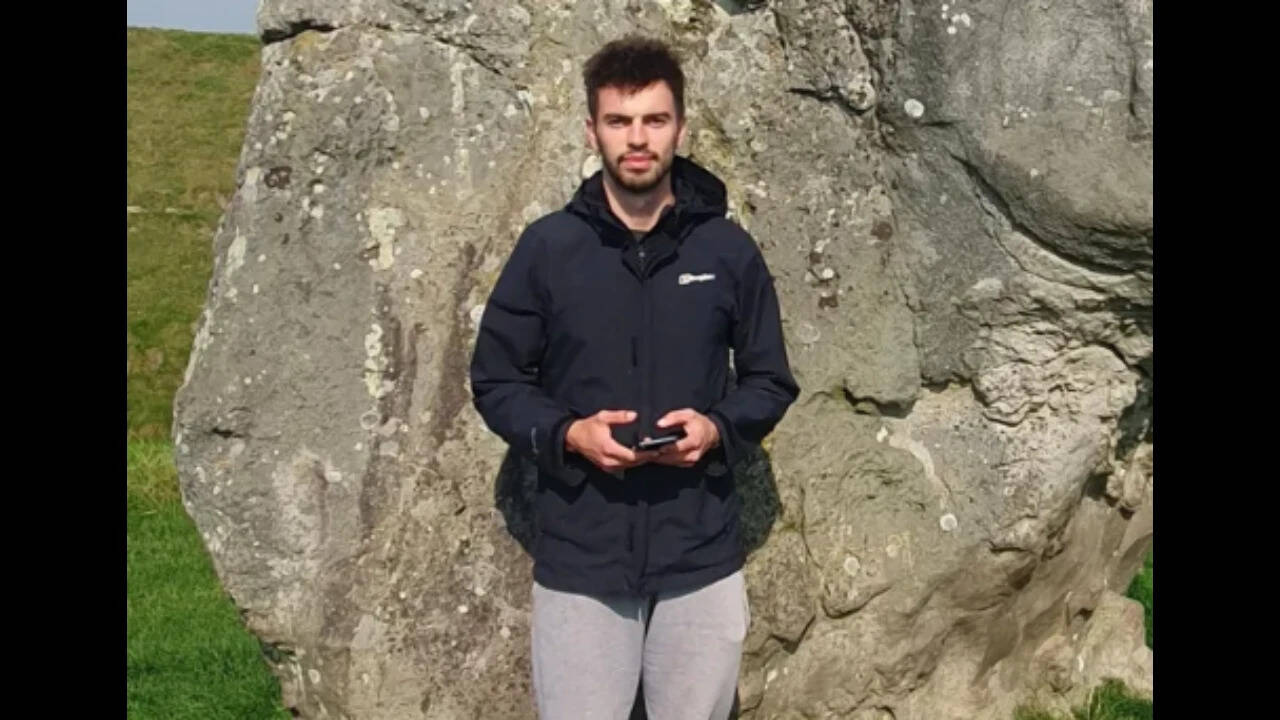
Twenty-four-year-old William Chapman walked past public viewing lines, climbed over fences into a tiger enclosure at Yorkshire Wildlife Park near Doncaster, and didn't survive the encounter.
It happened on Saturday, October 10, 2026, just after 1:30 p.m. local time. Eyewitnesses saw him pacing around the area wearing headphones before he scaled barriers into the park's Land of the Tigers reserve. Honestly, hearing that detail—pacing near an apex predator with headphones on—makes the whole thing hit harder. You can't hear warnings, and if you're already in distress, spatial awareness drops fast.
At its core, this isn't just a bizarre zoo headline. It's a collision of acute mental health crisis, perimeter physics, and online shock culture. When people search for William Chapman's name right now, they want to know what actually happened, whether the tiger was put down, and how a modern wildlife park ends up in the middle of an inquest and a police inquiry.
What Happened at Yorkshire Wildlife Park
Chapman, a self-employed online trader living in Doncaster, entered Yorkshire Wildlife Park alone on October 10. According to reporting from the inquest opening held on October 15, he climbed over two fences at the Land of the Tigers enclosure. A male Amur tiger—also known as a Siberian tiger—named Altai attacked him inside the exhibit, and Chapman was pronounced dead at the scene.
A provisional post-mortem examination listed multiple traumatic injuries resulting from animal interaction. A fuller coroner's report is still pending as investigations continue.
Witnesses reported seeing Chapman pacing around near the enclosure wearing headphones shortly before the incident. Some accounts also noted unusual movement or dancing prior to entry. What looks like casual or eccentric behavior in a crowd is often a warning sign that something is off. Yet in busy public spaces, strangers rarely step in unless someone looks obviously injured.
Yorkshire Wildlife Park closed immediately after the attack. Six days later, on October 16, the park reopened to visitors, including the Land of the Tigers zone, while Doncaster Council launched a health and safety investigation alongside the coroner's inquiry.
Why Mental Health Came Up at the Inquest
Sensationalist posts online quickly framed the tragedy around shock value or speculation about social media stunts. The inquest brought back a much heavier reality.
Chapman's family told the coroner's court that he had experienced prior bouts of psychosis and voiced concerns regarding his contact with mental health services. Psychosis doesn't always look like Hollywood stereotypes. A person can look physically capable of climbing a fence while experiencing impaired judgment, sensory overload, or a distorted sense of threat. Headphones can deepen that bubble, shutting out ambient cues from staff or other visitors.
When mental health crises intersect with high-hazard environments—train tracks, cliffs, construction sites, or big-cat reserves—standard crowd barriers aren't designed to stop someone actively determined to cross them. Perimeter fences at accredited zoos are built to keep animals inside and deter casual rule-breakers. They aren't maximum-security prisons.
And the fallout didn't stop at the fence line. In mid-November 2026, reports emerged that two health workers were believed to have accessed Chapman's medical records inappropriately following the tragedy, sparking data-privacy scrutiny. High-profile deaths bring out morbid curiosity, even among people who ought to know better about confidentiality.
Altai the Tiger and How Zoos Handle Fatal Breaches
One of the first questions people ask after any zoo breach is simple: Did they shoot the tiger?
No. Yorkshire Wildlife Park confirmed that Altai, a five-year-old male Amur tiger who arrived at the park in 2025 from a Norwegian zoo as part of a conservation breeding program, was safe and would not be euthanised. That decision makes complete sense from both a conservation and welfare standpoint.
Amur tigers (Panthera tigris altaica) are endangered, with roughly 500 estimated left in the wild. Every genetically managed individual in an accredited breeding program carries real conservation value. More importantly, Altai didn't break out of his habitat. A human climbed into his space. Punishing an animal for acting like a wild carnivore when someone enters its territory ignores basic cause and effect.
Here's a quick breakdown of key facts around the incident and aftermath:
- Date and location: October 10, 2026, at Yorkshire Wildlife Park in Doncaster, South Yorkshire.
- Victim: William Chapman, 24, a Doncaster resident whose family shared at the inquest that he had prior bouts of psychosis.
- Animal involved: Altai, a five-year-old male Amur tiger kept as part of a conservation effort; not euthanised.
- Enclosure layout: Land of the Tigers, a two-acre reserve opened in 2011 with raised walkways, wooded areas, and water features.
- Investigations: Coroner's inquest and Doncaster Council health and safety review.
Let's be real about zoo design for a second. Even well-engineered exhibits with elevated walkways and multi-layered perimeters face limits when a determined person scales multiple barriers. Raising fences to extreme heights can ruin sightlines or create structural hazards, while electrified deterrents carry their own regulatory and animal-welfare rules. Authorities investigating the site will look closely at barrier height, stand-off distances, CCTV coverage, and staff response times—not to blame zookeepers for a trespasser's leap, but to see if any physical gap made climbing easier.
The Online Clip Problem After a Tragedy
Another grim layer of this story is how fast graphic footage spreads. South Yorkshire Police confirmed they were aware of video circulating online and urged people not to share it. Clips also drew broad international attention after being shared online by high-profile figures.
Watching real-life fatal attacks on a phone screen doesn't inform you. It numbs you, and it traumatizes grieving families who now have to worry about strangers replaying their loved one's final seconds on social feeds. Algorithms reward outrage and shock, not context or care.
If you ever stumble across footage of a real-world injury or death online, don't share it, don't repost "reaction" edits, and report graphic non-consensual violence where platforms allow. Give investigations room to establish facts rather than letting 15-second clips write the story.
Practical Steps When You Spot Distress in Public or Need Help
You probably won't ever stand next to a tiger enclosure watching someone pace in crisis. You will walk past people in distress on streets, stations, parks, and public venues.
- Alert staff or authorities early: If someone near a hazardous area—water, rail lines, high ledges, or animal exhibits—is pacing erratically, ignoring warnings, or seems detached from their surroundings, flag security or staff right away instead of assuming they're just filming content.
- Keep a safe distance: Don't escalate an agitated person yourself unless you're trained to de-escalate safely. Get trained eyes on the situation fast.
- Reach out for crisis support: If you or someone you know is dealing with psychosis, severe paranoia, or a mental health spiral, don't wait for things to peak. In the UK, call or text 111 to reach NHS mental health services, or call 999 in an immediate life-threatening emergency. In the US, call or text 988 for the Suicide & Crisis Lifeline.
Tragedies like William Chapman's leave no tidy answers—only grief for a family, hard questions for investigators, and a reminder that mental health crises and high-risk spaces demand serious attention long before anyone crosses a line.
Yorkshire Wildlife Park incident coverage provides video context on the Doncaster wildlife park incident and the surrounding coverage.


