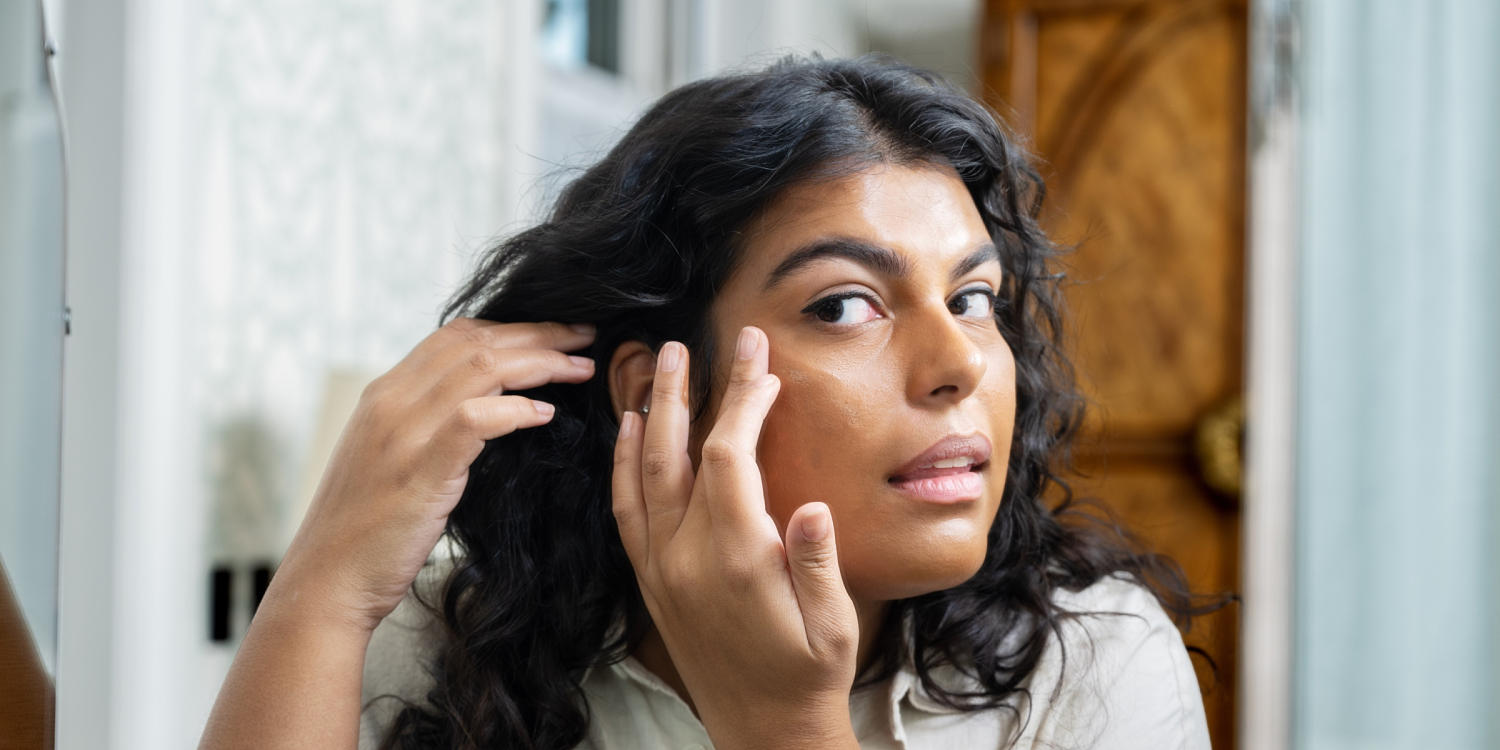
For dry winter skin, glycerin consistently outperforms hyaluronic acid, despite the beauty industry’s aggressive marketing of the latter. While hyaluronic acid demands moisture from its surroundings—often pulling water out of the deeper layers of your skin when ambient humidity drops—glycerin quietly holds onto water molecules without disrupting the skin's lipid matrix.
If your face feels tight, flaky, or inflamed by mid-January, your high-end hydrating serum might actually be accelerating moisture loss. You might also find this similar article useful: The Operational Reality of Modern Lighthouse Keeping in the United Kingdom.
Every winter, cosmetic brands unleash massive campaigns promoting hyaluronic acid as an essential miracle worker. Skincare routines worldwide rely on this single molecule to fight off cold-weather dryness. Yet dermatologists routinely see an influx of patients in December and January presenting with red, stinging, severely dehydrated skin despite applying layer after layer of expensive hyaluronic acid formulas.
Understanding why requires stripping back decades of cosmetic marketing and examining basic skin physiology under winter conditions. As highlighted in recent reports by Cosmopolitan, the results are worth noting.
The Flawed Physics of Hyaluronic Acid
Hyaluronic acid is a glycosaminoglycan, a naturally occurring sugar molecule in the human body capable of binding up to 1,000 times its weight in water. This impressive statistic serves as the foundation for modern skincare marketing.
The mechanism sounds perfect on paper. You apply the product, and it draws moisture into your skin.
However, molecules follow the laws of physics, not marketing copy.
Hyaluronic acid is a humectant. It functions like a sponge, pulling water from areas of high concentration to areas of low concentration. During humid summer months, it draws moisture directly from the saturated air into the outer layer of the skin, the stratum corneum.
Winter flips this dynamic on its head.
Indoor heating systems combined with freezing outside air cause relative humidity levels to plunge, frequently dropping below 30 percent. In this parched environment, there is no ambient moisture in the air for hyaluronic acid to grab.
So where does it find water?
It draws it straight from the dermis—the deeper layer of your skin.
When you apply hyaluronic acid to a dry face in a dry room, it pulls water upward from the lower layers of your tissue. Initially, the surface feels plump and hydrated. But as ambient air continuously evaporates that surface water, the molecule acts like an internal siphon, desiccating your skin from the inside out.
Consider a simple physical model. Imagine a dry sponge placed on top of a damp paper towel in a arid room. The sponge doesn't magically pull water out of thin air; it sucks the moisture out of the damp paper towel underneath, exposing that moisture to evaporation.
That is precisely what high-concentration hyaluronic acid does to your face during a freeze.
The Molecular Weight Problem
The situation gets worse when examining ingredient formulations. Formulators use different molecular weights of hyaluronic acid, each with distinct trade-offs:
- High Molecular Weight: Sits on the surface of the skin. It forms a temporary film, but can easily pill and dry out in low humidity.
- Low Molecular Weight: Penetrates deeper into the epidermis. While it sounds superior, studies show tiny fragments can trigger inflammatory cascades and exacerbate redness in compromised skin.
If your skin barrier is already raw from winter winds, forcing low-molecular-weight fragments into your tissue can worsen irritation.
The Unsung Genius of Glycerin
While hyaluronic acid steals the spotlight, a humble compound discovered in 1779 remains the undisputed workhorse of dermatological science.
Glycerin, also known as glycerol, is a simple trihydroxy alcohol. It is cheap to produce, structurally uncomplicated, and lacks the prestige required for luxury skincare branding.
It is also far more effective at protecting skin from severe cold.
Glycerin does not rely solely on simple water binding. It works through a sophisticated multi-pathway mechanism that supports the skin's structural integrity.
       WINTER ATMOSPHERE (Low Humidity < 30%)
                         │
                         ▼
┌─────────────────────────────────────────────────┐
│              HYALURONIC ACID                    │
│ Draws moisture UP from dermis → Evaporates away │
│ Result: Accelerated deep tissue dehydration     │
└─────────────────────────────────────────────────┘
                         │
 vs.                     ▼
┌─────────────────────────────────────────────────┐
│                 GLYCERIN                        │
│ Traps water + Stabilizes Aquaporin channels     │
│ Result: Prevents lipid crystallization & flaking│
└─────────────────────────────────────────────────┘
1. Superior Water-Retention Dynamics
Glycerin features three hydroxyl groups that form dense hydrogen bonds with water molecules. Unlike hyaluronic acid, which forms a heavy gel that can pull away from skin as it dries, glycerin integrates directly into the intercellular matrix. It holds water tightly, resisting evaporation even when indoor humidity drops to single digits.
2. Aquaporin Channel Activation
Glycerin isn't just a passive moisture trap. It actively interacts with aquaporin-3 (AQP3) channels—transmembrane proteins that transport water and glycerol throughout the epidermis. By stimulating these channels, glycerin enhances your skin’s internal hydration distribution network, ensuring water circulates effectively across cellular layers.
3. Preventing Lipid Phase Transitions
In freezing conditions, the natural lipids (ceramides, cholesterol, and fatty acids) in your skin barrier can solidify, changing from a fluid liquid-crystal state to a rigid solid state. This structural change creates micro-cracks in the barrier, causing stinging and flaking.
Glycerin acts like a natural antifreeze. It lowers the phase transition temperature of skin lipids, keeping your protective barrier flexible and intact down to sub-zero temperatures.
| Performance Metric | Glycerin | Hyaluronic Acid |
|---|---|---|
| Primary Mechanism | Integrates into lipid matrix; activates AQP3 water channels | Form-building film humectant |
| Low-Humidity Behavior | Retains bound water; stabilizes lipid fluidity | Draws moisture from dermis to surface, risking deep dehydration |
| Molecular Size | Very small (92.09 g/mol); easily penetrates outer stratum corneum | Large (100,000+ g/mol) unless fragmented |
| Irritation Risk | Near zero | Low-molecular variants can trigger inflammation |
| Cost to Formulate | Low | High |
The Skincare Industry’s Formulative Illusion
If glycerin is scientifically superior for winter defense, why does the beauty industry relentlessly market hyaluronic acid?
The answer comes down to sensory perception and profit margins.
Glycerin is thick, sticky, and visually unappealing in high concentrations. A serum packed with 15 percent glycerin feels heavy and tacky on the skin—attributes consumers often associate with low-quality products.
Hyaluronic acid, by contrast, feels weightless. A tiny fraction of a percent of sodium hyaluronate turns plain water into a silky, luxurious gel that absorbs almost instantly. It delivers immediate aesthetic gratification: skin looks temporarily smooth and tight within seconds of application.
This creates an addictive consumer loop.
You apply hyaluronic acid, feeling an immediate sensation of smooth hydration. Two hours later, as the molecule pulls water out of your lower epidermal layers and loses it to the dry air, your skin feels tighter and drier than before.
Assuming you simply need more hydration, you reach for the bottle and apply another layer.
The cycle repeats, consuming product rapidly while your skin barrier steadily degrades under the surface.
Rebuilding a Broken Winter Routine
Fixing winter dehydration doesn't require throwing away every product on your shelf. It requires adjusting how and when you deploy these ingredients based on atmospheric reality.
Step 1: Ditch Pure Hyaluronic Acid Serums in Dry Climates
If ambient humidity is under 40 percent, stop applying standalone hyaluronic acid serums to bare skin. If you choose to keep hyaluronic acid in your routine, apply it only to soaking-wet skin, and immediately seal it under a heavy, occlusive layer.
Step 2: Prioritize High-Glycerin Base Formulations
Look at the ingredient list on your moisturisers and serums. Glycerin should appear within the first three ingredients—ideally directly after water (Aqua). Formulations combining glycerin with ceramides, free fatty acids, and cholesterol mimic the natural lipid ratio of human skin, reinforcing the barrier against harsh weather.
Step 3: Layer with Strategic Occlusives
Humectants like glycerin hold onto water, but they require occlusives to lock that water in place. Seal your hydrating layers with ingredients that form a physical barrier to evaporation:
- Petrolatum: The gold standard in moisture preservation, reducing transepidermal water loss by over 98 percent.
- Squalane: A lightweight lipid that mimics natural sebum without clogging pores.
- Shea Butter: Rich in fatty acids, ideal for severe cracking on non-acne-prone areas.
Apply your humectant rich in glycerin first, let it absorb for sixty seconds, and then apply a protective occlusive layer.
Step 4: Fix Your Environment
Skincare cannot overcome physics. If your home or office air is completely dry, no topical lotion can save your skin barrier.
Run a clean cool-mist humidifier in your bedroom at night, keeping relative humidity between 40 and 50 percent. This creates an environment where your skin's natural moisture remains stable, allowing ingredients like glycerin to perform optimally without fighting an uphill battle against dry indoor heating.
Stop relying on overhyped ingredients to save your skin this winter. Look past slick marketing, swap out weightless gels for proven barrier restorers, and give your skin the basic, unglamorous chemistry it actually needs to survive the cold.