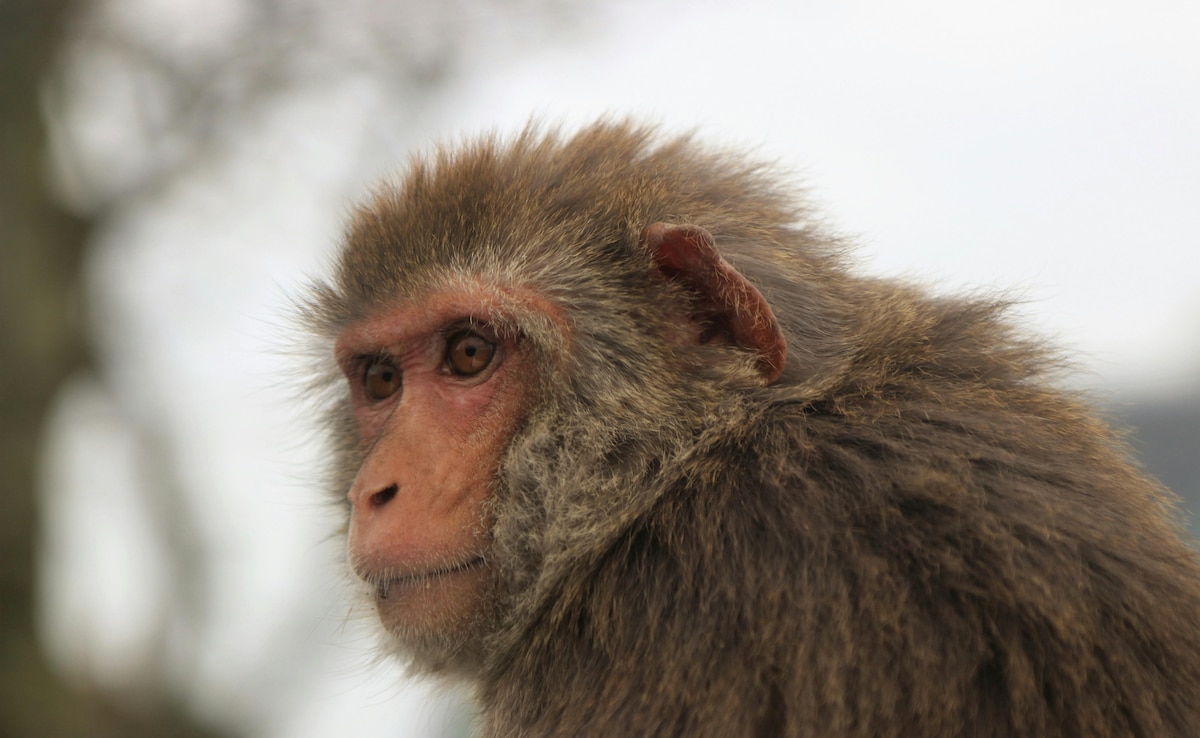
A US Navy sailor probably didn't have "fending off a primate" on their mission checklist while patrolling the world’s most volatile oil chokepoint. Yet, reports of a monkey attack on a Navy soldier during a mission to the Strait of Hormuz remind us that nature doesn't care about geopolitical tension. While the Pentagon spends billions on radar systems and carrier strike groups, sometimes the biggest threat to a sailor's day is a territorial macaque with a bad attitude.
The incident highlights the strange, often overlooked hazards of littoral warfare and naval operations in the Middle East. It’s not just about Iranian fast boats or sea mines. It's about the environmental chaos that comes with operating in high-stress, coastal environments where the wild meets the military.
Why a Monkey Attacks a US Navy Soldier in a War Zone
The Strait of Hormuz is a narrow strip of water. It's the juggernaut of global energy transit. Roughly 21 million barrels of oil pass through here daily. Because of its strategic importance, US Navy personnel are frequently on high alert. But being on high alert for a missile doesn't prepare you for a bite from a primate.
Monkeys, particularly macaques, are common in various coastal regions and port cities across the Middle East and South Asia. They're smart. They're aggressive. And they've learned that humans usually carry food. When a Navy soldier is on a mission, whether they're docked for a port visit or conducting shore-side logistics, they're entering an ecosystem where these animals rule the roost.
These attacks aren't just "cute" wildlife encounters gone wrong. A monkey bite is a medical emergency in a military context. You're looking at potential rabies exposure, B-virus risks, and severe bacterial infections. For a sailor on active duty, a single bite can mean an immediate pull from the mission for a battery of shots and observation. It’s a logistical nightmare for a commanding officer who just lost a body to a monkey.
The Strait of Hormuz is more than a naval chokepoint
Most people think of the Strait as just blue water and grey ships. It’s actually a complex web of islands and rugged coastlines. This geography provides the perfect backdrop for these odd encounters. Soldiers operating in these zones often find themselves in proximity to local fauna that has become "habituated" to human presence.
Habituation is the real killer here. It means the animals have lost their fear. They see a uniform and think "easy snack" or "threat to my territory." When you're carrying gear and moving with purpose, a territorial male monkey sees a challenge. It doesn't see the American flag on your shoulder; it sees a rival.
Environmental hazards that sailors actually face
- Heat exhaustion: Temperatures regularly climb above 110°F.
- Wildlife: From sea snakes to aggressive primates in port.
- Dehydration: The salt air and extreme sun strip your body fast.
- Dust and Sand: It gets into the engines and your lungs.
Naval missions in this region are grueling. Adding an animal attack to the mix just underscores how unpredictable "the office" is for these guys. The Navy trains for combat, but "primate defense" isn't exactly a core module in basic training.
What happens after a soldier gets attacked
The military response to an animal attack is rigid. First, there’s the immediate physical wound. Monkeys have incredible jaw strength. They don't just nip; they tear. Once the bleeding is controlled, the real work starts.
The medical officer has to assume the worst-case scenario. Rabies is endemic in many parts of the region. If the animal wasn't captured—and they almost never are—the soldier has to undergo a full post-exposure prophylaxis (PEP) regimen. This isn't just one shot. It's a series.
Then there’s the intelligence side. Was this a random event? Or was the soldier in an area they shouldn't have been? Every incident gets logged. It affects future risk assessments for port calls and shore missions. If a specific pier is known for aggressive wildlife, the Navy might restrict access or change how personnel move through the area.
The psychological toll of the weird
It's easy to laugh at a headline about a monkey. But for the soldier, it’s a terrifying experience. Imagine being trained to handle some of the most sophisticated weaponry on earth, only to be sidelined by a ten-pound primate. It's jarring. It breaks the rhythm of the mission.
This incident also speaks to the "boredom punctuated by terror" nature of naval deployments. You spend weeks staring at a radar screen or performing maintenance. Then, in a flash, something chaotic happens. It could be an IRGC boat buzzing your hull, or it could be a monkey jumping from a crate. Both require an instant reaction. Both carry risks.
Staying safe in unpredictable territory
If you’re ever in a position where you’re operating in these regions, you need to treat the wildlife like any other tactical threat. Respect the distance. Never feed them. If you see one, don't make eye contact—in the primate world, that's a direct invitation to a fight.
The US Navy will continue its missions in the Strait of Hormuz. The oil must flow. The security must be maintained. And the sailors will continue to face the strange, the dangerous, and the downright bizarre. The monkey attack on that Navy soldier serves as a gritty reminder: the environment is an active participant in every conflict.
Keep your eyes open. Don't let the weird stuff distract you from the mission. If you're heading into a littoral zone, check your surroundings for more than just footprints. Look for tails, too. Get your vaccinations up to date and keep your medkit within reach. You never know when the local "locals" will decide they've had enough of your presence.