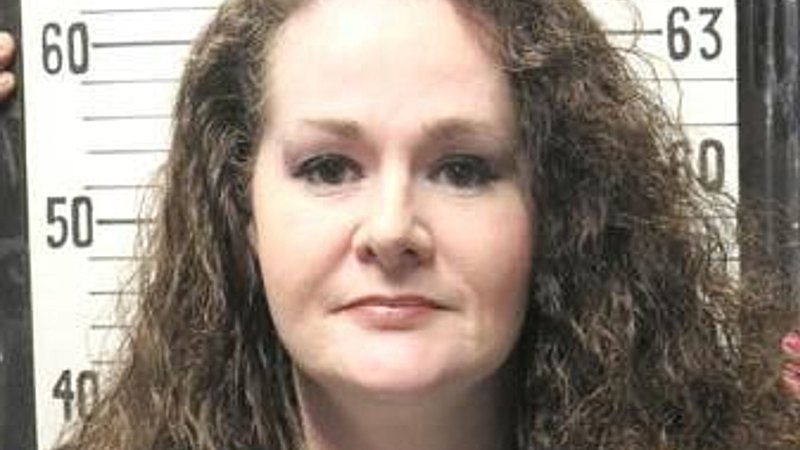
When the state tries to kill someone and fails, the entire apparatus of capital punishment faces a reckoning. That is exactly what happened when Christa Pike survived two rounds of lethal injection drugs in Tennessee.
If you've been following the news, you know the broad strokes. Pike, the only woman on Tennessee's death row, was strapped to a gurney on September 30, administered pentobarbital, and didn't die. Instead of a quiet expiration, witnesses heard her speaking, saw her moving, and eventually watched as an ambulance transported her to a hospital.
Most coverage stops at the sheer shock value of a botched execution. But looking closer at the legal battles, the medical realities, and the historical context exposes deep flaws in how the state executes capital punishment.
The Mechanics of a Botched Procedure
Executions are supposed to be clinical, cold, and efficient. Tennessee’s attempt on Pike was anything but. According to legal filings and witness accounts, executioners struggled for over an hour to set an IV line, utilizing roughly seven needles across multiple sites. Her defense attorneys warned ahead of time that her veins were fragile and prone to rupturing.
They were right.
Pike even voiced her own terror from the gurney, telling witnesses that the vein in her arm felt like it was about to burst. After the first dose of pentobarbital was administered, she didn't lose consciousness immediately. She blinked, smiled, laughed, and kicked off her sheets. Under state protocol, a second dose was administered because she was still alive.
Still, she didn't die. She breathed, snored, and lingered while her lawyers frantically scrambled to wake up judges and courts with emergency stays.
This wasn't a minor glitch. This was a complete breakdown of a protocol that the state spent millions of dollars defending.
Why This Case Is Unprecedented
Legal scholars point out a stark difference between Pike's case and past failed executions. Historically, when American executions have been halted, it was usually because executioners couldn't find a vein and called off the attempt before any drugs entered the body.
Pike is different. She received the drugs. Every single mechanism intended to cause death was executed, yet she survived.
This sets up a massive constitutional war. Her lawyers are arguing two primary points:
- Cruel and Unusual Punishment: Enduring a failed execution, physical trauma, burnt arms from the procedure, and the psychological terror of waking up in a hospital ICU crosses the line of Eighth Amendment protections.
- Double Jeopardy: The state tried to punish her for her crime, completed the entire execution procedure, and failed. Forcing her to go through a second attempt means punishing her twice for the same offense.
On the other side, prosecutors and some legal experts argue that her sentence was death, meaning the sentence remains unfulfilled until she actually dies. But that argument glosses over the human and mechanical reality of what happened inside that chamber.
The Fallout Inside the State Government
The immediate aftermath was chaotic. Governor Bill Lee paused all remaining executions scheduled for the remainder of the year and ordered an independent, third-party review. The top prison official in charge resigned. Meanwhile, political figures like Senator Marsha Blackburn urged the state to find alternative execution methods to ensure capital punishment can continue uninterrupted.
Yet, focusing only on the mechanics of how to kill people misses the forest for the trees. When a state relies on a revolving door of secrecy around execution drugs, botched procedures become inevitable. Drug manufacturers refuse to sell their products for executions, forcing departments of correction to source compounds through questionable channels or compounding pharmacies, which introduces immense variability in quality and potency.
What Happens to Christa Pike Now
After weeks in the hospital—part of the time on a ventilator, unconscious, and later conscious, speaking, and dealing with severe pain—Pike was discharged back to prison. She remains shackled to her reality on death row, her future entirely dependent on a courtroom battle over whether the state gets a do-over.
Her defense team continues to fight for clemency, pointing out not only the state's recent failures but also the profound trauma and abuse she suffered before she committed her crime at age 18.
No matter where you stand on the death penalty, the Christa Pike case strips away the sanitized illusion of modern capital punishment. It forces a confrontation with the messy, painful reality of state-sponsored killing—and exposes just how easily the system breaks down when reality refuses to cooperate with the script.