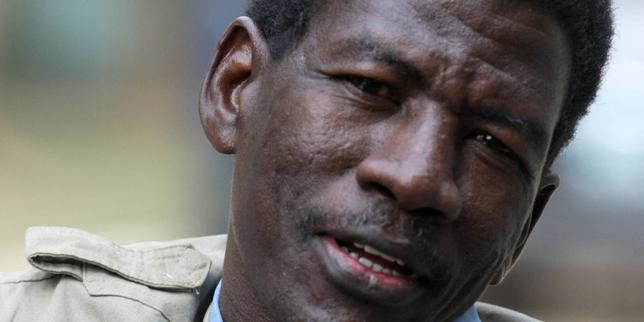
Information doesn't just disappear. Sometimes, the people carrying it do. When veteran journalist Moussa Kaka vanished in Niamey on August 31, 2026, it wasn't just a personal tragedy for his family and colleagues at Radio-télévision Saraounia. It became a glaring indicator of how perilous independent reporting has become in the Sahel.
For weeks, absolute silence from the authorities reigned. Rumors filled the vacuum. Then, following pressure from international watchdogs, a confirmation surfaced. Reporters sans frontières (RSF) revealed that the 66-year-old press patron was not lost to the unknown elements, but locked away by the state. He is alive, according to the Ministry of Justice, but he is behind bars.
Breaking the Silence on Arbitrary Detention
Denial rarely lasts forever, but accountability moves slowly. Alio Daouda, the Nigerien Minister of Justice and Human Rights, eventually acknowledged the reality of the situation during exchanges with RSF. The core message from the government was clear: nobody is technically missing, and the journalist allegedly committed offenses that require legal proceedings.
Yet, acknowledging detention after weeks of enforced disappearance doesn't fix the underlying violation. Rights groups like Amnesty International and Human Rights Watch have pointed out the obvious flaws in this approach. A citizen—let alone a prominent media figure—cannot simply vanish without legal warrants, accessible counsel, or communication with loved ones for over a month.
When family members and lawyers are kept in the dark, the rule of law fractures. Saying someone is "alive and detained" after keeping them hidden sounds less like due process and more like damage control.
A Familiar Target for State Pressure
Moussa Kaka isn't new to this fight. If his name sounds familiar to regional media observers, it's because this isn't his first collision with authorities. Nearly two decades ago, back between 2007 and 2008, he spent 384 days imprisoned over contested accusations related to national defense. He beat those charges historically, proving that aggressive reporting often carries an institutional target.
History repeats itself, but the stakes right now feel heavier. Journalism in West Africa faces an existential squeeze. Security crises, political shifts, and military regimes leave very little room for independent scrutiny. When veterans like Kaka get swept up into secret holding procedures, younger reporters get a chilling message. Self-censorship becomes a survival strategy.
The Battle for Transparency Continues
International pressure didn't stop at verbal confirmations. Organizations haven't just accepted the government's belated admission. Cases have been submitted directly to United Nations mechanisms, including the Committee on Enforced Disappearances. Press freedom advocates demand immediate, unhindered access, insisting that detention without formal, internationally recognized charges violates basic rights.
You can't claim to uphold justice while operating in the shadows. The government asserts that Kaka will answer for infractions before local courts, but transparency requires more than a forced confession of whereabouts after weeks of panic. Until independent observers can verify his well-being and legal team can mount a defense without obstruction, the cloud over Niamey's commitment to free expression remains dense.
Watch what happens next. The handling of Moussa Kaka's case sets a precedent for every voice trying to report the truth in the region.
Le journaliste Moussa Kaka "en vie et détenu" au Niger, selon RSF
This video report provides additional context on the official statements regarding Moussa Kaka's detention status in Niger.