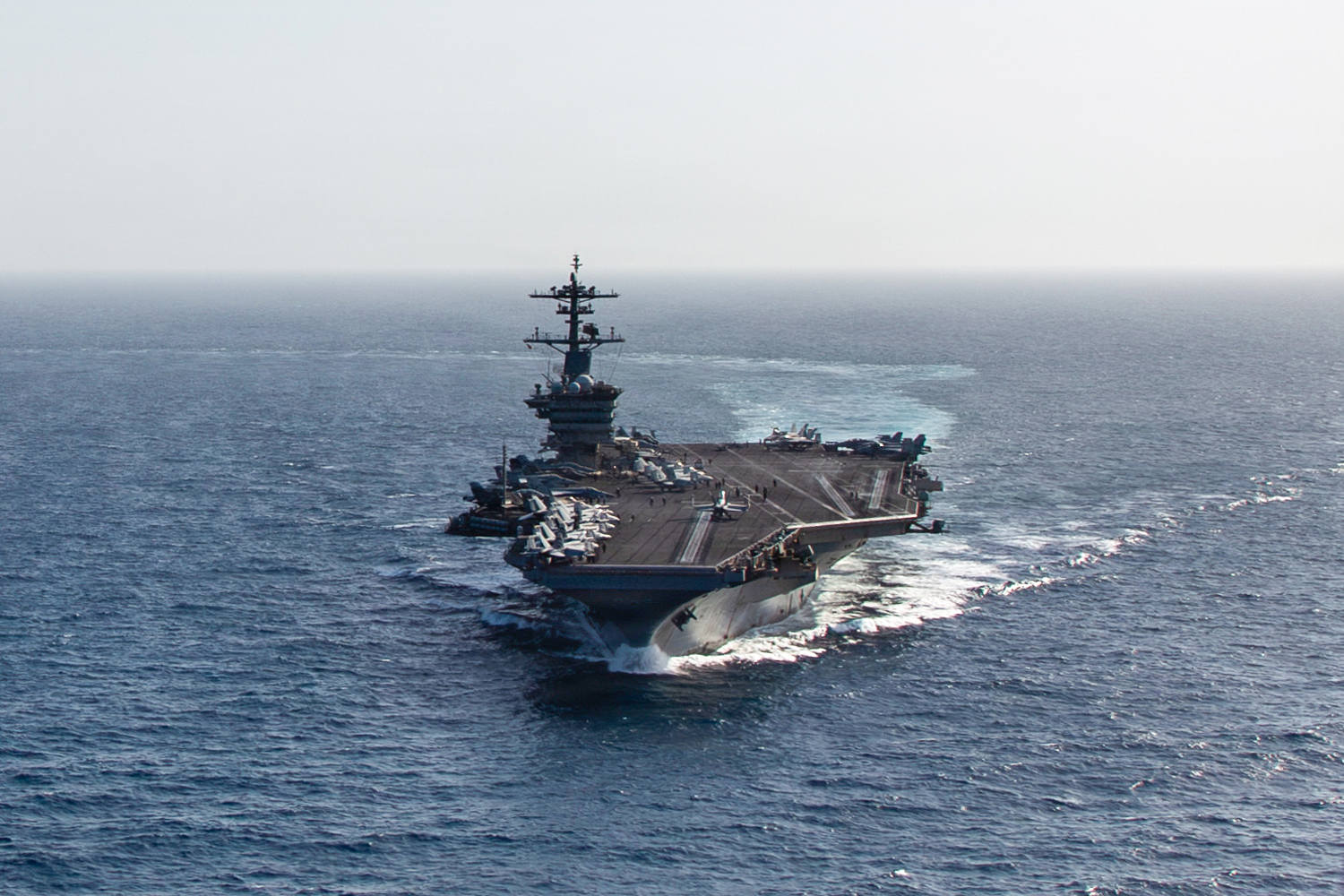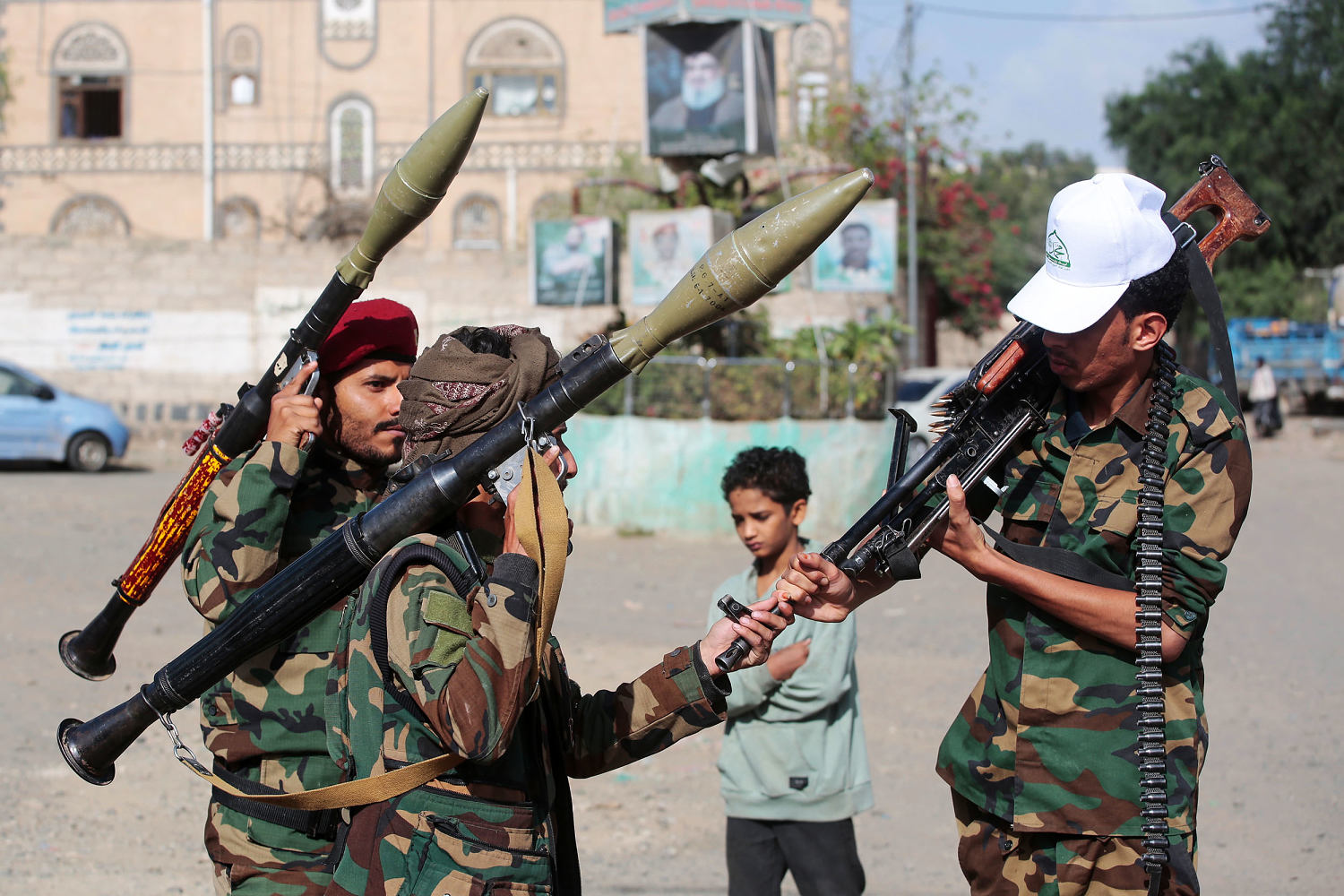
When Yemen's leadership picked up the phone to ask Donald Trump for direct military intervention against advancing Houthi forces, they expected a willing partner. Instead, they got a cold shoulder. The Trump administration ultimately held back from launching fresh strikes or committing U.S. troops, leaving Riyadh and the UN-recognized Yemeni government scrambling to contain a lightning offensive along the Red Sea coast.
If you look past the diplomatic handshakes at the United Nations General Assembly, this standoff reveals a massive shift in American foreign policy priorities. Washington is already tangled in an ongoing conflict with Iran, and White House strategists are growing increasingly reluctant to deploy finite military resources into another messy quagmire in the Arabian Peninsula.
The Reality Behind the Red Sea Push
The timing of Yemen's plea wasn't accidental. Houthi fighters launched a rapid offensive across western Yemen, seizing crucial territory, port cities, and critical choke points near the Bab el-Mandeb Strait. With Saudi Arabia carrying out retaliatory airstrikes in the highlands and facing direct security threats to its infrastructure, Riyadh pressed hard for Washington to step in.
Reports even indicated that U.S. forces briefly prepped aircraft for strikes before the White House abruptly called them off at the eleventh hour. Why? Because maintaining a fragile containment line against broader regional escalation takes precedence over jumping into a localized civil war that has dragged on for a decade.
What Washington's Hesitation Actually Means
Most political commentary frames this decision as a simple failure of alliance management. That misses the bigger picture. The Trump administration is playing a much tighter, more transactional game in the Middle East.
- Weary of Open-Ended Commitments: Years of proxy warfare have yielded very little strategic return for American taxpayers, making new Middle Eastern entanglements deeply unpopular domestically.
- Backchannel Understandings: Rumors persist of tacit communications between Washington and various regional factions to keep vital international shipping lanes open, reducing the appetite for aggressive unilateral bombings.
- Prioritizing Direct Threats: With broader tensions involving Iran consuming military bandwidth, Washington wants regional allies like Saudi Arabia to shoulder more of their own defense burdens.
Where the Conflict Goes From Here
Yemeni leaders are now forced to reckon with a reality where American air superiority isn't coming to save the day. Thousands of civilians remain displaced, infrastructure is buckling under continued fighting, and the humanitarian toll keeps rising by the hour.
Riyadh and the presidential leadership council in Yemen have to adapt quickly to a strategy that relies on internal military restructuring rather than outsourced superpower intervention. Expect local actors to scramble for alternative regional alliances as Washington maintains its strict wait-and-see stance.
Yemen asks US for help with Houthis as thousands displaced
This video provides an on-the-ground look at the displacement crisis and the immediate fallout in Yemen following the U.S. decision to withhold direct military backing.