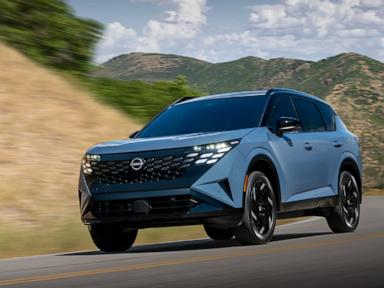
Every year, legacy automotive publications roll out their pristine lists of upcoming vehicles to watch, treating concept cars and glossy press releases like gospel truth. Edmunds recently published its predictable lineup of future vehicles, leaning hard into the lazy consensus of the industry. They want you to believe we are standing on the precipice of an electric vehicle utopia driven by aerodynamic lifestyle pods, ultra-luxury battery SUVs, and tech-stuffed flagships that cost more than a suburban starter home.
It is a comforting narrative for boardrooms in Detroit and Stuttgart. It is also entirely detached from economic reality.
I have spent the last fifteen years watching automotive trends get built in boardrooms, tested in wind tunnels, and subsequently slaughtered on showroom floors. I have seen venture-backed startups blow billions chasing shiny objects while ignoring the raw math of utility and depreciation.
Here is the inconvenient truth nobody in mainstream automotive media wants to say out term: consumers are not rejecting electric powertrains because they hate the environment. They are rejecting them because the industry is building the wrong cars at the wrong price points for the wrong buyers.
Let us dismantle the prevailing industry mythology one model at a time.
The Luxury EV Trap
The central fantasy of mainstream future-vehicle lists is that high-end electric flagships will eventually trickle down to the masses through some magical manufacturing alchemy. This ignores basic economics. When a legacy manufacturer drops an eighty-thousand-dollar luxury electric crossover, they are not building a halo car for the future. They are padding profit margins today on the backs of early adopters who treat cars like consumer electronics.
The mass market does not want a touchscreen-heavy living room on wheels with seventeen ambient lighting zones and a subscription fee for heated seats. They want a machine that starts every single morning, hauls four people and a dog without requiring an engineering degree to fold the seats, and does not lose forty percent of its resale value the moment it crosses the dealership curb.
Edmunds and similar outlets fawn over concept styling and raw horsepower figures. But horsepower is a solved problem. Electric motors make torque instantly; engineering a straight-line rocket ceased to be an impressive feat years ago. The real challenge is supply chain resilience, battery chemistry cost reduction, and brutal packaging efficiency.
When you look past the marketing gloss, the vehicles drawing the most breathless praise from analysts are often the ones destined for the automotive graveyard. If a vehicle requires a six-figure income bracket just to consider the base trim, it is not a future vehicle. It is a niche toy.
The Real Shift Hiding in Plain Sight
While the media chases vaporware and million-dollar exotic electric hypercars, a quiet revolution is happening in the utilitarian segment. The real future belongs to unglamorous, rugged, hyper-efficient workhorses that solve specific operational problems for small businesses and tradespeople.
Look at commercial fleets. They are not buying luxury electric crossovers. They are demanding vans and trucks that can take a beating, charge overnight on standard infrastructure, and cost pennies per mile to maintain. When cost-per-mile dictates survival, corporate PR departments stop mattering.
Let us address the elephant in the room: charging infrastructure. The mainstream consensus claims the charging network is just a few years away from total ubiquity. That is wishful thinking. Grid capacity cannot keep pace with the aggressive municipal mandates being drafted by politicians who have never looked at an electrical substation schematic. In many dense urban centers, street parking means home charging is a physical impossibility. Until charging is as mindless as pumping gas at midnight in a freezing rainstorm, mainstream adoption will hit a hard ceiling.
This does not mean the internal combustion engine is immortal. It means the transition will be messy, fragmented, and dictated by economic survival rather than government virtue signaling.
What You Should Actually Watch
If you want to understand where the market is going, stop looking at motor show stages. Look at used car auction blocks, lease return rates, and the inventory stagnation of overpriced electric vehicles sitting on dealer lots for more than ninety days.
The manufacturers winning the next decade will not be the ones with the sleekest carbon-fiber body panels. They will be the ones ruthless enough to build durable, serviceable vehicles that normal humans can afford to fix when something breaks outside of warranty.
Right now, the secondary market is sending a deafening signal. Buyers are hoarding clean, reliable internal combustion vehicles and basic hybrids because they distrust the complexity and repair costs of modern software-defined vehicles. When a minor fender bender requires replacing a front bumper embedded with sixteen uncalibrated sensors and a thermal imaging camera, totaling a ten-thousand-dollar car for a minor parking lot bump, the economic model breaks down.
Insurance companies are already quietly panicking over repair costs for modern computer-heavy vehicles. Premiums are skyrocketing, eating up any potential fuel savings an electric vehicle owner might enjoy. That is the variable the glossy reviews leave out.
The automotive landscape is undergoing a brutal market correction. The companies trying to sell you a rolling iPad with a steering wheel are about to learn a harsh lesson in consumer preference.
Stop waiting for the utopian future promised by legacy media. The real future of transportation is going to look a lot more practical, a lot more pragmatic, and a lot less expensive than the marketing decks suggest.
Buy utility. Ignore the hype.