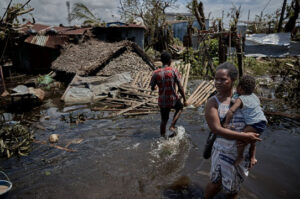
Climate disruptions rarely hit everyone equally, and the latest weather cycle is proving that harsh reality once again. Over 347 million children across nearly 100 countries live in regions where El Niño is driving extreme dry spells or intense flooding, putting basic survival, safety, and schooling on the line.
When weather patterns shift drastically, the fallout extends far beyond wrecked crops or flooded streets. Education systems, public health infrastructure, and child protection services face immediate strain. If you look past the headlines about changing ocean temperatures, you find a massive humanitarian emergency unfolding quietly in classrooms and clinics worldwide.
The Scale of Disruption Facing Schools
We know from recent data that climate-related hazards interrupted schooling for at least 171 million students globally. El Niño threatens to push that number even higher.
When severe droughts dry up local water supplies or torrential floods wash away roads, schools close. In many vulnerable regions, a closed school isn't just a pause in academics. It removes children from safe environments, cutting off meal programs and exposing them to higher risks of child labor or early marriage.
Communities in Eastern and Southern Africa, Latin America, parts of Asia, and the Pacific face the steepest hurdles. In these areas, children are already dealing with compounding crises like economic instability and conflict. Adding an intense El Niño cycle creates a worst-case scenario for local education systems that lack the resources to bounce back quickly.
Health Threats and the Disease Burden
Extreme weather alters disease vectors and destroys sanitation networks, triggering public health emergencies. Drought conditions force families to rely on unsafe water sources, causing spikes in diarrheal diseases and cholera outbreaks. Conversely, heavy rains create breeding grounds for mosquitoes, driving up rates of dengue and other vector-borne illnesses.
Malnutrition remains one of the most immediate dangers. Crop failures and soaring food prices mean millions of households cannot secure reliable meals. Children with disabilities or underlying health conditions face even greater risks as household costs rise and medical care becomes harder to reach.
Early warning systems often focus entirely on economic losses or infrastructure damage. They frequently fail to account for how these shocks directly impact pediatric health and nutritional security until it is too late.
Why Proactive Response Changes Everything
Humanitarian funding models are notoriously reactive. Governments and international bodies tend to scramble for resources only after a disaster peaks, spending heavily on recovery rather than preparation.
Evidence shows that every dollar invested in disaster risk reduction and anticipatory action can save up to fifteen dollars in recovery costs later. Despite this, funding for early action remains critically low.
Protecting children requires shifting away from crisis-driven spending. Local authorities and community organizations need support to reinforce water systems, preposition emergency supplies, and design flexible learning frameworks before extreme weather hits. Preparing now is the only way to prevent a temporary weather shift from defining the futures of an entire generation.