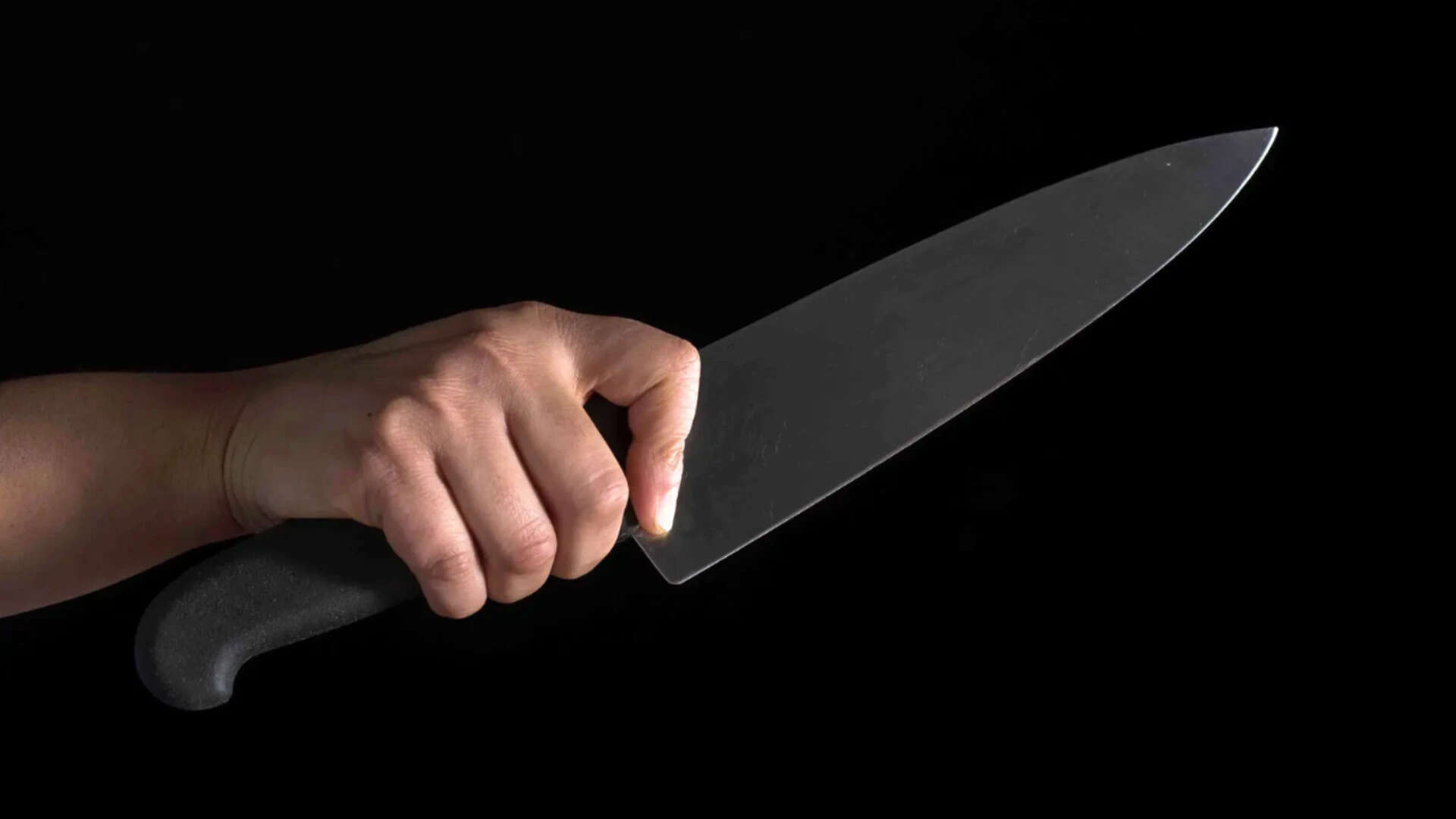
Desperation is a terrible strategist. When you are backed into a corner, your brain stops weighing long-term consequences and starts looking for an immediate escape hatch, no matter how dangerous that hatch might be. In the Philippines, this exact psychological trap is captured perfectly by a centuries-old saying: Ang taong nagigipit, sa patalim kumakapit. Translated literally, it means a desperate person will clutch even at a sharp blade or a knife.
It is a brutal, vivid image. Think about it. You are drowning or falling, and the only object within reach is a naked blade. You know it will slice your hand open. You know it will cause agony and blood loss. Yet, you grab it anyway because the alternative feels like instant death. If you liked this article, you should check out: this related article.
This Filipino proverb about clinging to a knife isn't just an old folk saying. It's an accurate diagnosis of human behavior under extreme stress. We see it play out every single day in finance, relationships, career choices, and politics. People who are cornered stop looking for safety. They just look for an exit, even if that exit leads straight into a minefield. Understanding why we do this is the first step toward stopping ourselves before we grab the blade.
The Dark Reality Behind Ang Taong Nagigipit
The core of this proverb lies in the word nagigipit. It means being caught in a tight squeeze, financially strapped, cornered, or utterly desperate. It describes a situation where room for maneuver shrinks to zero. For another angle on this story, refer to the recent update from Vogue.
Anthropologists studying Filipino value systems often note how deeply embedded this concept is in the cultural psyche. In a society historically plagued by economic instability, typhoons, and systemic inequality, kagipitan (the state of being cornered) is a familiar enemy. Survival becomes the only metric that matters.
When you enter that survival mode, your cognitive functions shift dramatically. Psychologists call this tunnel vision or cognitive narrowing. Under severe pressure, your prefrontal cortex, which handles logical planning and risk assessment, takes a backseat. Your amygdala, the primitive alarm system of the brain, takes total control.
The amygdala doesn't care about next week. It doesn't care about interest rates, reputation, or long-term health. It cares about right now. If a loan shark offers quick cash to pay off a medical debt, the brain doesn't process the 50% monthly interest rate. It only sees the immediate relief of a paid bill. You grab the knife. The bleeding starts later.
Why Desperation Makes a Sharp Blade Look Safe
We look at people making terrible choices from the outside and judge them. We wonder how someone could fall for a glaringly obvious pyramid scheme, stay with an abusive partner, or take an illegal job. It looks like foolishness.
It isn't foolishness. It's the distorted math of desperation.
When you are stable, your risk calculation looks balanced. You weigh the pros and cons. But when you are desperate, the status quo feels like an absolute zero. Anything looks better than staying where you are. The knife promises a sliver of hope, while the current situation offers nothing but certain doom.
Consider how predatory industries thrive on this exact mechanism. High-interest payday lenders don't set up shop in wealthy suburbs. They place their offices in neighborhoods where people are living paycheck to paycheck. They know that when a car breaks down and someone can't get to work, that person will sign a contract with a 400% annual percentage rate. The contract is a knife. The borrower knows it hurts, but they need to fix the car today.
The same thing happens in corporate environments. An employee terrified of being laid off might agree to forge a document or cover up a manager's financial malpractice. They know it could ruin their career permanently if they get caught. But the fear of losing their income this month blinds them to the federal prison sentence waiting down the road.
Real World Examples of Holding the Knife
Look at history and modern sociology to see how this plays out on a larger scale. The migration patterns of workers from developing nations offer a clear example.
Every year, thousands of individuals risk their life savings and physical safety to traffic themselves across borders or take undocumented jobs in harsh conditions. They leave behind families to work twenty hours a day in factories or fields. They are fully aware of the scams, the abuse, and the constant threat of deportation. They know they are grabbing a blade. But when the alternative is watching their children starve in a failing economy, the blade becomes their only option.
We see this in the modern gig economy too. Drivers work eighteen hours straight, consuming dangerous amounts of caffeine and risking highway accidents, just to hit algorithmically driven bonuses to pay off predatory vehicle leases. They are destroying their health in real-time to solve a cash flow problem that will reappear next month.
In relationships, the knife takes the form of toxic dependency. A person who fears loneliness or financial ruin will tolerate extreme emotional or physical abuse. They rationalize the pain because the vacuum of being alone feels like a deeper, more terrifying void. They hold onto the blade because it connects them to something, anything, rather than falling into the dark.
Breaking the Cycle of Panic Driven Choices
You can't always avoid hard times. Life drops emergencies on your doorstep without warning. But you can change how you react when the walls start closing in.
The first step to avoid grabbing the knife is recognizing the physical feeling of kagipitan. Your chest tightens. Your breathing grows shallow. Your thoughts race, repeating the same worst-case scenario over and over. When you feel this happening, you must consciously halt all decision-making.
Never sign a contract, make a major purchase, quit a job, or end a long-term relationship during an acute panic attack. If a deal requires you to act within the next five minutes or lose out forever, it's almost always a knife disguised as a lifeline. True solutions usually allow you to take a breath and sleep on it.
Another crucial strategy is forcing yourself to map out the secondary effects. Ask yourself a simple question: What does tomorrow look like if I do this? If your solution fixes today's problem by creating an even bigger problem for next Tuesday, you haven't solved anything. You have just postponed the crisis and added an injury.
How to Drop the Blade Before It Cuts You
If you want to survive tight situations without mutilating your future, you need to build better safety nets before the crisis hits, or learn how to look for alternative handholds when you're already falling.
- Build an emergency buffer that hurts to create. Everyone talks about saving three to six months of expenses. It sounds easy in textbooks, but it sucks in real life. It means skipping dinners out, driving an ugly car, and saying no to vacations. Do it anyway. That boring savings account is the leather glove that protects your hand when life forces you to grab for stability.
- Audit your options with an outsider. When you are panicked, your vision narrows. You literally cannot see the escape routes right next to you. Call a friend, a mentor, or a professional who has no emotional skin in your game. Tell them the situation flat out. Let them look at the wall you think you're trapped behind. Often, they will point out a door you missed because you were too busy staring at the knife.
- Embrace the short term loss. Sometimes, the only way out of a bad situation is to take a hit. You might have to sell your favorite possessions, move into a smaller apartment, or take a massive step down in career status. It hurts your pride. It feels like failing. But selling your asset or humbling yourself is a clean bruise. Taking a predatory loan or committing an ethical violation is an infected wound that can ruin your life. Choose the clean bruise every single time.
- Identify the predators in your life before you need them. Make a mental list of the quick fixes you resort to when things go wrong. Is it a specific credit card? A toxic ex-partner? An unhealthy vice? Recognize these as blades. Write down a strict rule for yourself: under no circumstances do I contact this person or use this service when I am stressed.
Stop treating emergency situations as moments for sudden, radical action. When everything is chaotic, the most powerful move you can make is to stand perfectly still until your brain starts working again. Dropping the knife means accepting that you are in a tough spot, but refusing to make yourself bleed just to feel like you're doing something about it.