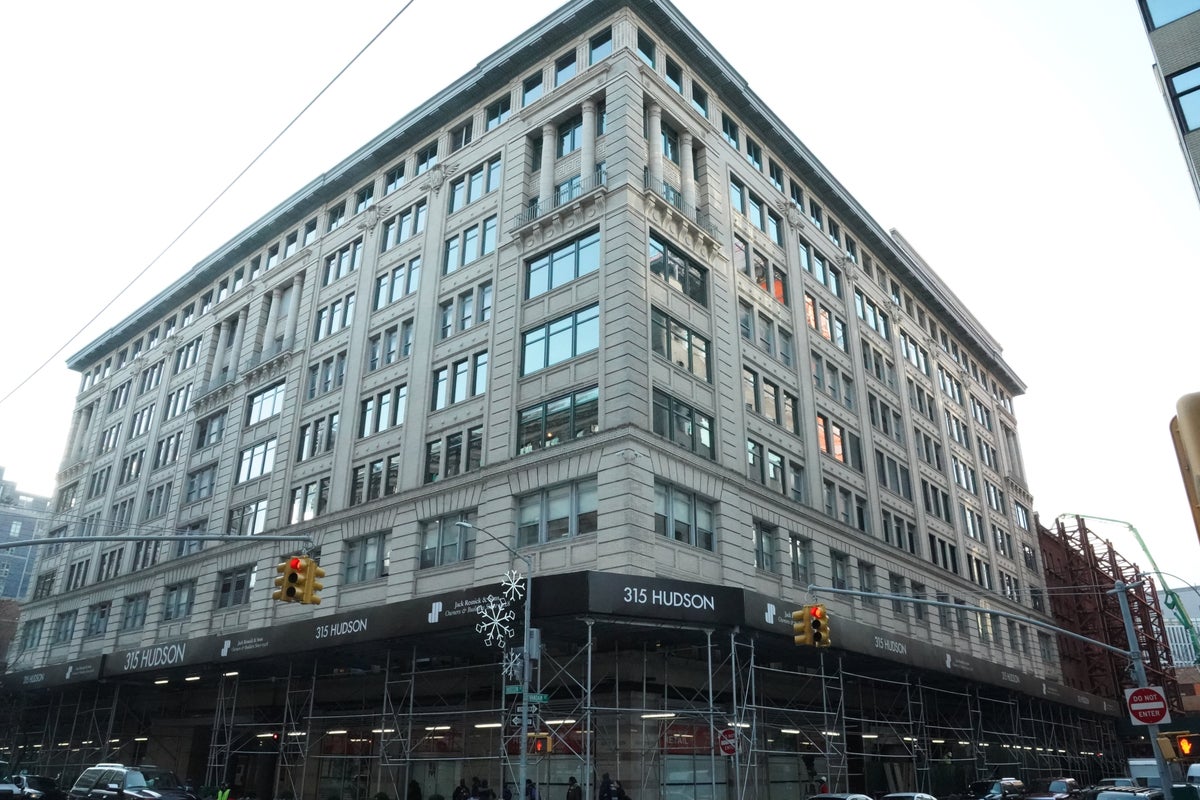
A man walked into a Chelsea office building housing major corporate tenants, poured an accelerant on himself, and struck a match. The resulting blaze sent shockwaves through a commercial corridor in Manhattan, drawing an immediate response from municipal emergency services and casting a harsh spotlight on the inherent security challenges facing high-profile corporate real estate in dense urban centers.
The incident unfolded inside an address heavily associated with Google operations, transforming a routine weekday afternoon into a chaotic scene of sirens, evacuations, and smoke-filled corridors. While structural damage to the skyscraper was limited, the psychological toll and the immediate operational disruption exposed the persistent friction between open corporate environments and the stark realities of urban safety management. Meanwhile, you can read similar events here: How a High Society Con Man Met His Match in a Sydney Real Estate Office.
When public safety intersects with private enterprise in multi-tenant commercial towers, the friction points multiply rapidly. This event raises urgent questions regarding building access protocols, emergency response coordination, and the broader societal pressures manifesting violently in corporate lobbies across major metropolitan areas.
Anatomy of a Corporate Tower Incident
Urban skyscrapers are engineered to process thousands of workers, visitors, and vendors daily. Balancing hospitality with hard security remains an elusive equilibrium for facility managers. To explore the complete picture, we recommend the excellent report by NBC News.
- Open-Plan Lobbies: Modern commercial architecture favors sprawling, transparent entryways that invite the public in, conflicting directly with the requirements of threat mitigation.
- Rapid Emergency Response: The FDNY and NYPD arrived within minutes, preventing what could have been a catastrophic structural fire, yet the initial seconds of panic highlighted the reliance on human intervention.
- High-Value Targets: Buildings hosting marquee technology firms automatically inherit a heightened threat profile, driven by public animus, parasocial fixation, or individual psychiatric crises.
The suspect, whose identity and exact motivations were subsequently investigated by law enforcement agencies, sustained severe burns and was rushed to a local hospital. Witnesses inside the lobby described a sudden flash of heat, frantic shouts from security personnel, and an immediate scramble for stairwells.
Emergency responders faced the dual task of treating a critically injured individual while managing an evacuation protocol for an office population accustomed to fire drills, but rarely confronted with intentional human-borne violence inside their workspace.
The Security Paradox in Modern Workplaces
Corporate real estate has undergone a profound transformation over the past two decades. The fortress mentality of the late 20th century gave way to collaborative, porous spaces designed to reflect corporate transparency and community integration. Google and other technology giants pioneered open workspaces where lobbies often double as social hubs or cafes.
That design philosophy carries hidden vulnerabilities. Physical security systems are typically optimized to deter credentialed trespassers or organized theft, not individuals willing to inflict self-harm or targeted destruction within a public-facing atrium. Metal detectors and turnstiles disrupt the seamless visitor experience that modern employers demand, creating an ongoing trade-off between hospitality and safety.
Security directors across Manhattan real estate portfolios spent the hours following the incident reviewing access logs, visitor screening protocols, and emergency communication channels. The consensus among veteran facility managers points to an uncomfortable truth: absolute prevention of determined, erratic actors inside semi-public commercial spaces is nearly impossible without turning office towers into militarized zones.
Mental Health, Public Spaces, and Urban Infrastructure
Incidents of self-directed violence within commercial facilities rarely occur in a vacuum. They frequently intersect with broader systemic failures in public mental health infrastructure, urban transiency, and crisis intervention services.
Major cities like New York grapple daily with individuals experiencing severe acute psychiatric distress who slip through the cracks of social safety nets. When municipal support structures fail, the burden frequently shifts onto public transit systems, retail spaces, and corporate lobbies.
Security guards and reception staff find themselves on the front lines of mental health crises for which they receive minimal formal training. De-escalating a person carrying an accelerant requires specialized crisis negotiation skills that go far beyond checking badges and monitoring security monitors.
The Broader Impact on Commercial Real Estate
Beyond the immediate human tragedy, events of this nature trigger cascading operational adjustments across the commercial real estate sector.
Property owners face mounting pressure from tenants to upgrade physical defenses. Insurance underwriters scrutinize liability exposure, potentially driving up operational costs for landlords operating in high-density urban cores. Furthermore, remote and hybrid work models have already altered office utilization rates; high-profile safety incidents provide yet another variable for employees weighing the merits of returning to physical offices versus working from home.
The tension between maintaining an open, vibrant city and securing individual buildings will define urban management for the foreseeable future. As emergency services wrapped up their on-scene investigations and forensic teams combed the soot-stained lobby, the questions remained lingering in the air long after the smoke cleared.
Security is not merely a matter of hardware, badges, and automated locks. It is a continuous, fragile negotiation between public access and private protection, played out every single day in the lobbies of the modern metropolis.