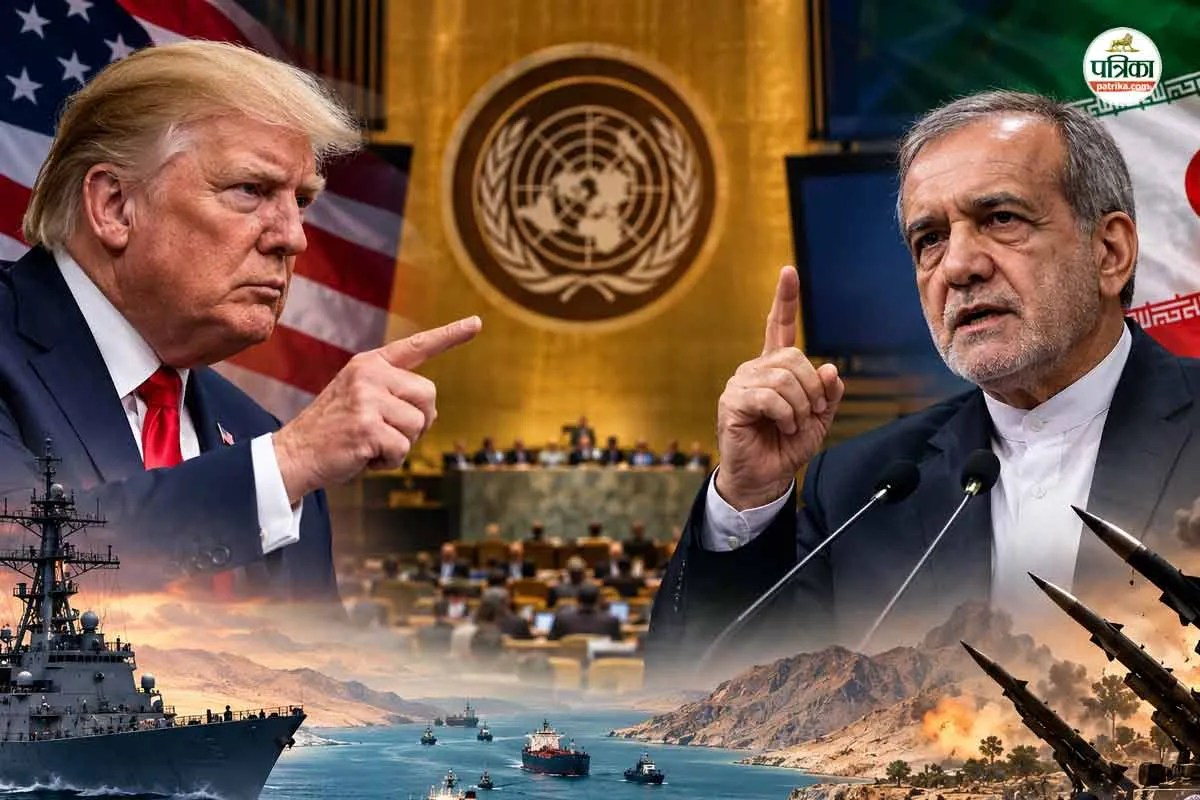
The security architecture governing maritime energy transit through the Strait of Hormuz has reached an inflection point characterized by mutually destructive economic leverage. European diplomatic signaling toward Tehran—coupling demands for maritime de-escalation with compliance on nuclear file oversight—reflects a structural vulnerability: the unhedged exposure of Western macro-economies to West Asian hydrocarbon logistics. Deconstructing this standoff requires analyzing the cost functions of maritime interdiction, the structural mechanics of nuclear verification, and the limits of coercive diplomacy under asymmetric deterrence.
The Logistics of Chokepoint Interdiction
The Strait of Hormuz handles a critical fraction of global petroleum liquids and liquefied natural gas (LNG) consumption. Any disruption in this narrow waterway converts instantly into global supply shocks, price volatility, and inflationary pressure across importing nations. Meanwhile, you can find other events here: Why Pakistan is Walking Into a Permanent Quagmire With Afghan Drone Strikes.
For Tehran, the chokepoint functions as an asymmetric deterrent. By retaining the capacity to constrain or threaten commercial navigation through asymmetric naval assets, coastal missile batteries, and drone deployments, Iran imposes an externalized cost on global trade. This creates a functional bargaining chip designed to offset Western economic sanctions.
European capitals face a direct transmission mechanism from these disruptions. While the United States maintains relative domestic insulation through its domestic shale production, European energy markets remain deeply sensitive to Middle Eastern supply volumes and spot-market pricing. Consequently, European diplomatic interventions are driven by the absolute necessity to prevent maritime blockades that depress industrial output and elevate energy costs. To understand the complete picture, check out the recent report by Associated Press.
The Nuclear File as a Diplomatic Leverage Point
European demands for renewed engagement on Iran's nuclear and ballistic missile programs operate within a complex verification framework managed by the International Atomic Energy Agency (IAEA). Tehran’s strategic calculus regarding these negotiations depends on domestic political survival and the tangible relief of economic sanctions.
When external actors condition maritime security and trade normalization on strict nuclear compliance, they attempt to link two distinct domains:
- Tactical Security: Freedom of navigation and the cessation of regional proxy or direct kinetic escalations.
- Strategic Disarmament: The rollback of uranium enrichment capabilities, advanced centrifuge deployment, and missile vector development.
Iran’s state apparatus frequently resists this linkage, arguing that Western-backed supervisory bodies apply uneven pressure. From Tehran's perspective, entering nuclear talks without prior concessions on economic blockades invites strategic vulnerability. Conversely, Western actors maintain that unchecked nuclear advancement combined with chokepoint volatility creates an unacceptable systemic risk to international security.
The Limits of Coercive Diplomacy
The standoff persists because both sides operate under conflicting theories of victory.
The Western strategy relies on economic strangulation and collective deterrence, assuming that sustained pressure will eventually compel Tehran to compromise on both regional force projection and nuclear ambitions. However, this approach underestimates Iran's threshold for localized economic pain and its deployment of underground defensive infrastructure, which dampens the coercive efficacy of conventional air campaigns or naval blockades.
On the other hand, Iran's strategy of escalating regional tensions—manifested through dynamic responses to military infrastructure and threats extending toward broader geographic theatres—carries severe domestic and international blowback. It hardens Western resolve, triggers defensive consolidation among Gulf neighbors, and accelerates intelligence-sharing and countermeasures among targeted states.
Strategic Play
To break the current equilibrium without triggering broad military escalation, diplomatic frameworks must decouple immediate maritime safety from comprehensive nuclear finality. Phased de-escalation requires establishing localized de-confliction zones within the Strait of Hormuz, supervised by neutral regional intermediaries, to separate the mechanical necessity of open commercial transit from the protracted, highly contentious negotiations over uranium enrichment parameters.