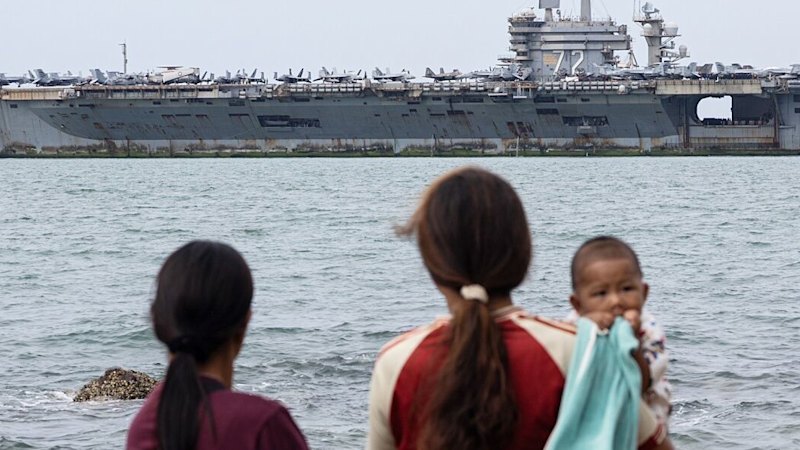
Everyone loves a happy ending where the tired machine finally rests. The mainstream narrative surrounding our chronically deployed surface combatants treats these multi-billion-dollar steel hulls like overworked corporate interns who simply need a mandatory mental health weekend and a pumpkin spice latte. Pators and analysts clap their hands together, sighing with relief that a battered warship is finally pulling into home port for a long overdue maintenance vacation.
It makes for sweet emotional theater. It is also completely wrong.
Strip away the tear-jerking homecoming footage and you are left with a fundamental misunderstanding of naval economics, maritime decay, and great power competition. Giving a hard-driven warship an extended break does not preserve its lifespan. It accelerates its obsolescence.
The Maintenance Myth
The lazy consensus in defense journalism is that high operational tempos break ships. Drive a hull too hard across the red sea or the western pacific, the logic goes, and you wear out the turbines, pit the screws, and crack the frames. Therefore, slowing down and tying up to a pier is the medicine.
I have watched defense bureaucracies throw good money after bad trying to fix ships by letting them sit at docks for months on end. It is a delusion. Saltwater environments do not care if a crew is sleeping in their own beds or standing watch in a typhoon. In fact, pierside corrosion is often far more insidious than underway wear. When a ship sits idle, maintenance funds evaporate into administrative delays, contractor backlogs, and shipyard gridlock.
Idle steel rots faster than active steel. Electrical systems degrade when unpowered or underutilized. Pumps seize. Marine growth chokes intakes that were designed to pull millions of gallons of seawater per hour. The idea that a pier provides a safe cocoon is a fiction invented by shore-based commanders who prefer predictable office hours to the chaos of the open ocean.
The Economics of Attrition
Let us look at the raw numbers that the commentariat conveniently ignores. A surface combatant represents a staggering capital expenditure. Every day that asset spends tied to a concrete pier without generating operational value, the cost per day of actual utility skyrockets.
Imagine a scenario where you buy a commercial freight truck, finance it at top-tier rates, and then park it in your driveway for six months out of the year because you are worried about the tires wearing out. You would go bankrupt. Yet the defense establishment treats multi-role destroyers and cruisers like museum pieces, prioritizing cosmetic preservation over functional relevance.
The real enemy is not high utilization. The real enemy is maintenance cycle bloat. When a ship goes into a standard availability period, it routinely misses its deadlines by months or years due to supply chain chokes and labor shortages. A break does not mean a short vacation. In the current defense ecosystem, a break means disappearing into a black hole of shipyard inefficiency from which the hull may emerge technically updated but tactically irrelevant.
What People Also Ask About Deployed Warships
Do continuous deployments destroy crew readiness?
The standard talking point claims that high deployment tempos lead to severe crew burnout and safety degradation. This is a red herring. Burnout happens when leadership manages a crew poorly, not simply because a ship is moving through water. High-performing crews on high-tempo ships often achieve peak operational cohesion because shared hardship forces competence. The antidote to fatigue is not inaction; it is intelligent rotation of personnel, not the benching of the entire platform.
Are we wearing out our fleet faster than we can build new ones?
This is the panic button frequently slammed by defense hawks. The math is presented as a zero-sum countdown to total fleet collapse. But this assumes that replacement is the only metric of power. A modern warship packed with software-driven sensors and modular kinetic systems ages out through technological obsolescence long before the structural steel gives up. If a ship sits at a pier for three years waiting for its turn in a crowded dry dock, the software architecture aboard it becomes obsolete twice over. You have preserved a piece of metal while throwing away its tactical advantage.
The Contrarian Reality
We need to stop viewing these gray hulls through the lens of human labor laws. Warships are not biological organisms that require eight hours of sleep and weekends off. They are instruments of violence designed to project power and deter peer competitors through constant, undeniable presence.
When you pull a warship off the line because someone feels bad about its deployment counter, you signal hesitation to adversaries who measure strength in hull days at sea. You create geographical vacuums that rivals fill with their own naval architecture.
The prescription for an overworked fleet is not a collective sigh and a trip to dry dock. The prescription is radical decentralization of maintenance, modular component swapping at sea, and an acceptance that hardware is meant to be spent in the pursuit of strategic dominance.
Stop codoning the comfort of the pier. Stop treating operational tempo as a pathology. Keep the iron moving, keep the systems hot, and stop pretending that a parked warship is a safe warship.