The Weight of Rhinestones
Underneath the blinding glare of the arena lights, a single sequin can weigh almost nothing. Multiplied by ten thousand, stitched tightly onto a skintight jumpsuit that has to withstand two hours of high-octane stage performance, that same glitter becomes an anchor. It pulls at the shoulders. It chafes against the collarbone. Most people see the sparkle and assume ease. They assume the rhinestone is a distraction, a shiny object waved in front of the public to keep them smiling while the world burns down around them.
They are wrong. Meanwhile, you can find related developments here: The Architecture of an Icon: Why Dolly Parton Outsmarted the Entire Entertainment Industry.
When Dolly Parton steps onto a stage, she is wearing armor. She has spent over half a century walking into rooms dominated by men who wanted to own her voice, executives who wanted to sanitize her lyrics, and critics who dismissed her as a cartoon before they even bothered to listen to the steel humming beneath the southern drawl. She weaponized the caricature. She looked the room dead in the eye, smiled beneath a towering wig, and while everyone was busy laughing at the blonde jokes, she quietly bought the publishing rights to her own catalog. She built an empire out of glitter, and nobody noticed the fortress rising until it was already impenetrable.
Consider what happens next when you look past the blonde hair and the theatrical chest. You find a mind as sharp as a switchblade and a work ethic forged in the grinding poverty of Sevier County, Tennessee. Growing up in a cabin with twelve siblings and no indoor plumbing, money wasn't just a convenience; it was a ghost that haunted the kitchen table. When you share a bed with three sisters and watch your father pay the doctor with a sack of cornmeal, you learn two things very quickly. You learn how to survive. And you learn that nobody is coming to save you. To explore the bigger picture, check out the detailed analysis by Bloomberg.
The Geography of Hunger
Smoky Mountain rain smells different than city rain. It smells like damp pine needles, wet slate, and the faint, bitter trace of coal smoke hanging heavy in a valley where the sun clocks out early.
Picture a small girl sitting on a split-rail fence, her fingers blue with cold, staring down a dirt road. Let us call her a hypothetical neighbor to the Parton household, though the details are ripped straight from oral histories of Locust Ridge. Her stomach aches with the quiet, hollow thrum of malnutrition. She knows the sound of her mother’s sigh when the pantry shelves echo. In that world, ambition is not a corporate strategy or a LinkedIn buzzword. Ambition is a desperate, clawing need to never feel that cold again.
Dolly knew that cold intimately. Yet, unlike many who manage to claw their way out of Appalachia only to pull the ladder up behind them, she turned around and built a suspension bridge.
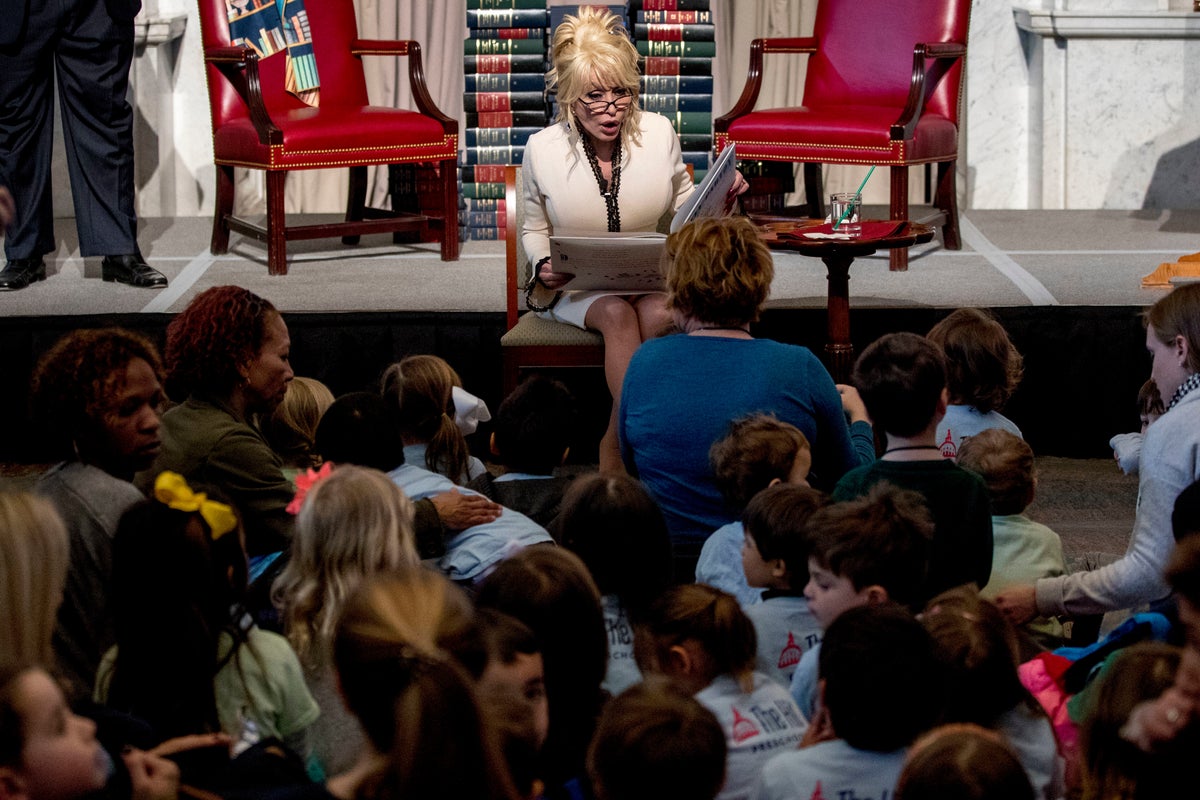
People love to talk about her philanthropy as if it were a polite afterthought, a billionaire writing checks from a tax-sheltered foundation. That is a sanitized lie. Her literacy initiative, the Imagination Library, which has mailed well over two hundred million books to children across the globe, was born from a very specific, deeply personal grief. Her father, Robert Lee Parton, could neither read nor write. He was a brilliant man, capable of calculating complex timber metrics in his head, but letters were locked doors.
Imagine watching the man who taught you how to work himself to the bone stare helplessly at a street sign or a Bible verse. Imagine the quiet, crushing humiliation of functional illiteracy in a modern society. When Dolly founded her book program in 1995, she wasn't just handing out children's stories. She was unlocking the doors her father could never push open. Every time a toddler in a remote hollow pulls a fresh, crisp book out of the mailbox with their name printed directly on the label, a small piece of generational shame is quietly rewritten.
The Economics of Empathy
There is a dangerous misconception that kindness is soft. We treat empathy like a decorative throw pillow, something nice to have on the couch when company comes over, but entirely useless when the economy crashes or the boardroom doors slam shut.
Dolly Parton dismantles that fallacy daily.
Look at her business model. She owns Dollywood, a massive theme park nestled in the heart of her home mountains. While corporate entertainment conglomerates lay off thousands of workers at the first sign of a quarterly dip, Dollywood operates on a different, almost radical frequency. When floods washed out local infrastructure or forest fires devoured homes in the surrounding counties, she didn't issue a corporate press release expressing thoughts and prayers. She opened her checkbook, established the My People Fund, and handed five hundred dollars a month directly to displaced families for half a year. No bureaucratic hoops. No means-tested red tape. Just cash in the hands of people who had lost everything, delivered with the implicit message that they mattered.
She understands something that modern executives spend millions of dollars on consultants to figure out: trust is the ultimate currency.
When you treat your people like human beings rather than line items on a spreadsheet, they don't just work for you; they protect you. The staff at her theme park stay for decades. They know her name, and more importantly, they know she remembers theirs. She operates her business empire with the fierce, protective maternal instinct of someone who knows what it feels like to be completely unprotected by the system.
The Quiet Rebellion
Music critics spent decades trying to put her in a box. They heard "9 to 5" and thought it was a catchy radio pop hit. They missed the molotov cocktail ticking away inside the melody.
Listen to the rhythm of those typing pools. Tumble outta bed and stumble to the kitchen / Pour myself a cup of ambition. It sounds lighthearted. It sounds bouncy. But beneath the acoustic guitar and the clicking typewriter sound effects lies a brutal indictment of corporate exploitation. She sang about wage theft, sexual harassment, and the grinding indignity of middle management long before it was acceptable to utter those words on morning television. She didn't march in the streets with a bullhorn. She sang a song so catchy that middle-aged men in boardrooms were tapping their toes to an anthem about their own systemic cruelty.
That is the genius of her life's work. She uses beauty as a Trojan horse.
We live in an era obsessed with cynicism. To be cynical is to be smart; to be hopeful is to be naive. We look at public figures waiting for the inevitable shoe to drop, the scandal to break, the mask to slip. We have been trained to expect hypocrisy.
Dolly breaks the algorithm. She has maintained her integrity across six decades of cultural whiplash without ever retreating into bitterness. When asked about her stance on social issues, she doesn't take the bait of political pundits. She simply says she loves people. She says Jesus taught her to love her neighbor, and she takes that instruction literally, even when her neighbors disagree with her.
She donated a million dollars to vaccine research at Vanderbilt University during a global crisis, and when the culture wars tried to chew her up for it, she just smiled and kept writing songs. She didn't fight back with venom. She simply outlasted the noise with grace.
The Horizon
The mountain road winds upward, past the gift shops and the flashing neon signs of Pigeon Forge, climbing higher until the asphalt gives way to gravel and the trees close in overhead.
Up here, the air is thin and sharp. You can look out across the rolling ridges of the Great Smoky Mountains and see the blue mist rising off the canopy like breath in winter. It is an ancient landscape, indifferent to human ambition, beautiful and cruel in equal measure.
Dolly Parton carved her legacy out of this dirt. She took the poverty of her childhood, the limitations of her upbringing, and the constant, biting mockery of a culture that refused to take a woman in a rhinestone-encrusted suit seriously, and she spun it all into gold. Not the cold, dead gold locked in a bank vault, but the warm, living gold of a child learning to read, a worker receiving a fair wage, and a stranger humming a tune that makes them feel a little less alone in the dark.
The sequins will fade. The wigs will eventually find their way into museums. The theme park rides will rust. But the bridge she built across the chasm between despair and dignity will remain.
She proved that you can be soft and unbreakable at the exact same time. And as the sun dips below the mountain ridge, casting a final, violet glow over the valleys she left behind and the ones she carried forward, the world is left with a quiet, lingering truth.
The most powerful armor ever forged is made of glitter, grit, and an unyielding refusal to let the darkness win.