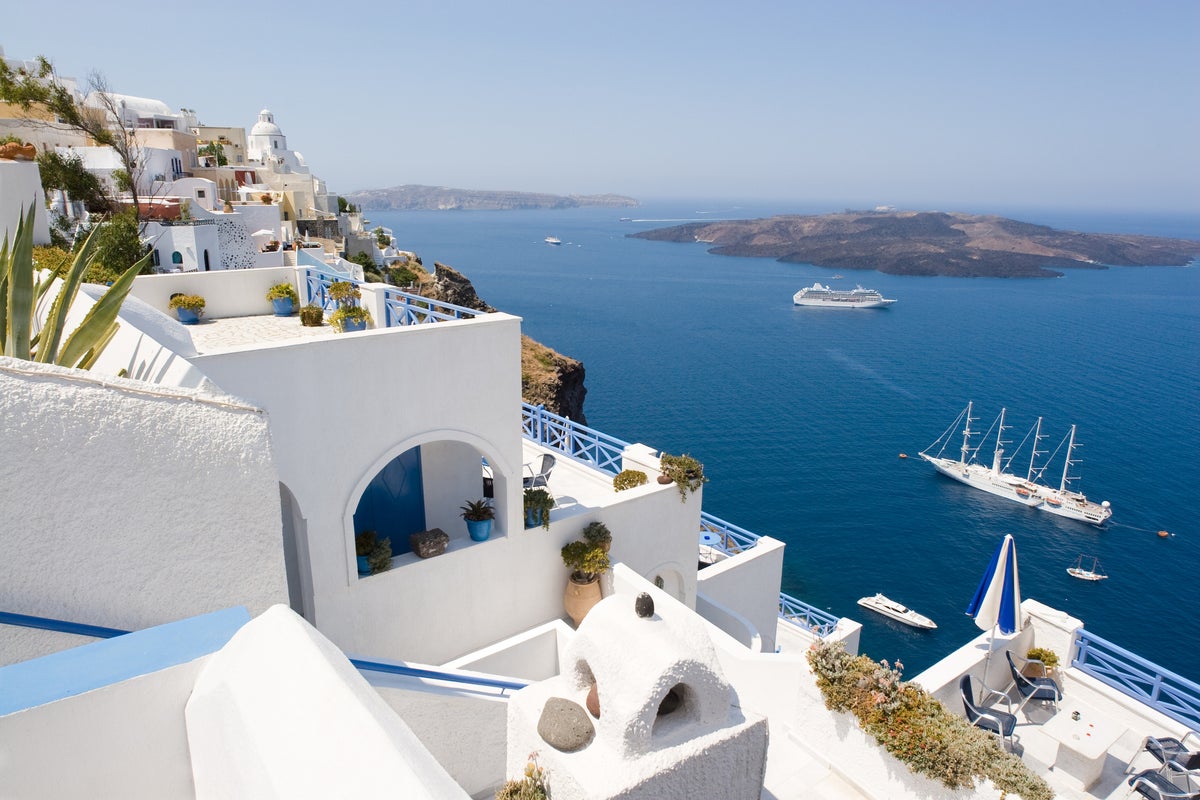
You have seen the photos. White houses clinging to cliffs. Blue domes matching the Aegean Sea. A perfect sunset over Santorini. It looks like paradise, but if you book the wrong ship, your reality will look very different. You will queue for an hour just to get off the vessel. You will walk shoulder to shoulder with 5,000 other tourists in Mykonos. The local charm evaporates when a mega-ship unloads a small city into a fishing village.
Most people choose a Greek island cruise based entirely on price or brand recognition. That is a massive error. The Aegean demands a specific strategy. In 2026, the lines between commercial mass travel and authentic island hopping are wider than ever. To see Greece properly, you must match your travel style to the right hull size and itinerary. Also making waves in related news: Nepal Missing Tourists The Systemic Failures Behind the Himalayan Tragedies.
Here is what nobody tells you about planning the perfect Aegean voyage this year.
The Ship Size Trap
Big ships offer incredible amenities. Climbing walls, Broadway shows, and twenty dining venues are great if you want a floating resort. But giant vessels face severe restrictions in Greece. Additional insights regarding the matter are explored by Lonely Planet.
Major ports like Piraeus (Athens) and Heraklion (Crete) can handle massive infrastructure. The story changes when you hit the smaller Cyclades or the Dodecanese. Mega-ships cannot dock at the pier in Santorini or Mykonos. They must anchor out in the bay and use tender boats to ferry passengers ashore. If your ship carries 4,000 people, getting to the dock takes hours. You waste your precious island time sitting in a plastic life craft.
Ship Category    | Guest Capacity | Best For                       | Major Limitation
Mega-Liner       | 3,000+         | Families, onboard entertainment| Long tender lines, skips small ports
Mid-Size Luxury  | 600 - 1,200    | Balance of space and access    | Cannot enter shallow historic harbours
Small Yacht      | Under 300      | Hidden bays, late-night stays  | Fewer onboard dining options
Small ships and yachts change the entire dynamic. Vessels under 300 guests glide into tiny harbours that big ships pass by. You drop anchor in secluded bays like Sarakiniko in Milos for a morning swim right off the back of the boat. You walk straight off the gangway into the heart of towns like Hydra or Patmos without waiting in a single line.
The Best Small Ship Operators This Season
If you want an authentic connection to the islands, look at the operators who focus on small-scale yachting and sailing.
Sea Cloud Cruises
For pure romance, nothing beats moving under wind power. Sea Cloud operates magnificent, multi-masted tall ships where the crew hoists the sails by hand. It takes an hour of manual labour to set the canvas, and watching it is a spectator sport. Sea Cloud Spirit and Sea Cloud II carry fewer than 136 guests. They focus on heritage and a slower pace, slipping quietly into spots like Paxos and Spetses.
Silversea
If you want ultra-luxury without the crowds, Silversea hits the mark. Their 2026 itineraries feature Silver Nova, a modern architectural marvel with an asymmetrical design that opens up panoramic views of the sea. What makes Silversea standout for Greece is their S.A.L.T. (Sea And Land Taste) programme. The onboard menus change daily to match the exact port you visit. If you anchor in Rhodes, you eat local Rhodian pitaroudia (chickpea fritters) that night. They also organise small-group market tours ashore with the ship's chef.
SeaDream Yacht Club
With a maximum of 112 guests, SeaDream feels like a private yacht. Their mantra is "it's yachting, not cruising," and they mean it. The service is incredibly personal. The crew remembers your drink order by day two. Because the boats are small, they can anchor inside the tiny bays of Monemvasia or Amorgos, giving you a completely different perspective on coastal Greece.
Rethinking the Itinerary
Everyone wants to see Santorini and Mykonos. They are famous for a reason. But if your itinerary only hits the greatest hits, you miss the true spirit of the region.
The smart move in 2026 is a balanced itinerary that pairs one iconic port with three or four lesser-known gems. Look for routes that include places like:
- Milos: Famous for its surreal, white volcanic rock Formations at Sarakiniko Beach.
- Patmos: A quiet, deeply spiritual island with a medieval monastery crowning the hill.
- Syros: The administrative capital of the Cyclades, featuring grand neoclassical architecture instead of the typical whitewashed boxes.
- Naxos: A paradise for food lovers, known for its incredible local cheeses and potatoes.
Another critical factor is timing. Look at the arrival and departure times in your itinerary. Standard big-ship cruises arrive at 8:00 AM and leave by 5:00 PM. That means you are on the island during the hottest, most crowded hours of the day. You leave right before the magic happens.
Lines like Norwegian Cruise Line and boutique yacht operators now offer extended evening stays. Staying in Mykonos or Santorini until 10:00 PM or midnight allows you to experience the islands after the day-trippers leave. You can sit at a waterfront taverna in Little Venice, drink an ouzo, and watch the sunset without rushing back to a curfew.
Logistics and Crowds
High season in Greece runs from late June through August. The weather is scorching, prices are peak, and the crowds are intense. If you must travel during these months, a small ship is mandatory to escape the madness.
The shoulder seasons—May to early June, and September through October—offer a vastly superior experience. The water remains warm enough for swimming, the breeze is comfortable, and the archaeological sites aren't baking in 40°C heat.
When packing, forget the formal wear unless you are on a traditional luxury liner. The vibe in the Greek islands is casual. The most important item you can pack is a pair of sturdy, high-grip walking shoes. The streets in villages like Oia or Mykonos Town are made of polished, smooth marble stones. They look beautiful but get incredibly slick, especially on the steep hills.
How to Book Your Voyage
Don't just click "book" on the first shiny cruise line ad you see. Follow these steps to ensure you don't end up trapped on a floating theme park when you wanted a Mediterranean escape.
First, check the ship's capacity. If it holds more than 1,200 passengers, accept that you will be part of a crowd when moving ashore. If you want intimacy, cap your search at 500 guests.
Second, look at the port schedule. Websites like CruiseTimetables let you see how many other ships will be in port with you on any given day. If you see that three 4,000-passenger ships are docking in Santorini on the same day as your vessel, pick a different sailing date. Your sanity will thank you.
Third, look for lines that include overnight stays or late-night departures. The true beauty of Greece emerges when the sun goes down and the local tavernas come to life. Make sure your ship lets you stay on land to see it.