International intelligence briefings often treat militant financing as an afterthought. Analysts prefer to map troop movements, catalog missile stockpiles, and trace external arms shipments. But in Yemen, the survival of the Houthi movement relies less on traditional foreign patrons and much more on a ruthlessly organized domestic corporate machine. While global headlines fixate on Red Sea shipping disruptions and intermittent petroleum price spikes, a sophisticated parallel financial system has quietly generated billions of dollars.
The primary driver behind this financial resilience is not simply foreign aid or battlefield plunder. It is the systematic transformation of an insurgent faction into a de facto state administration capable of extracting wealth from every corner of civilian and commercial life.
The Architecture of the Domestic Tax State
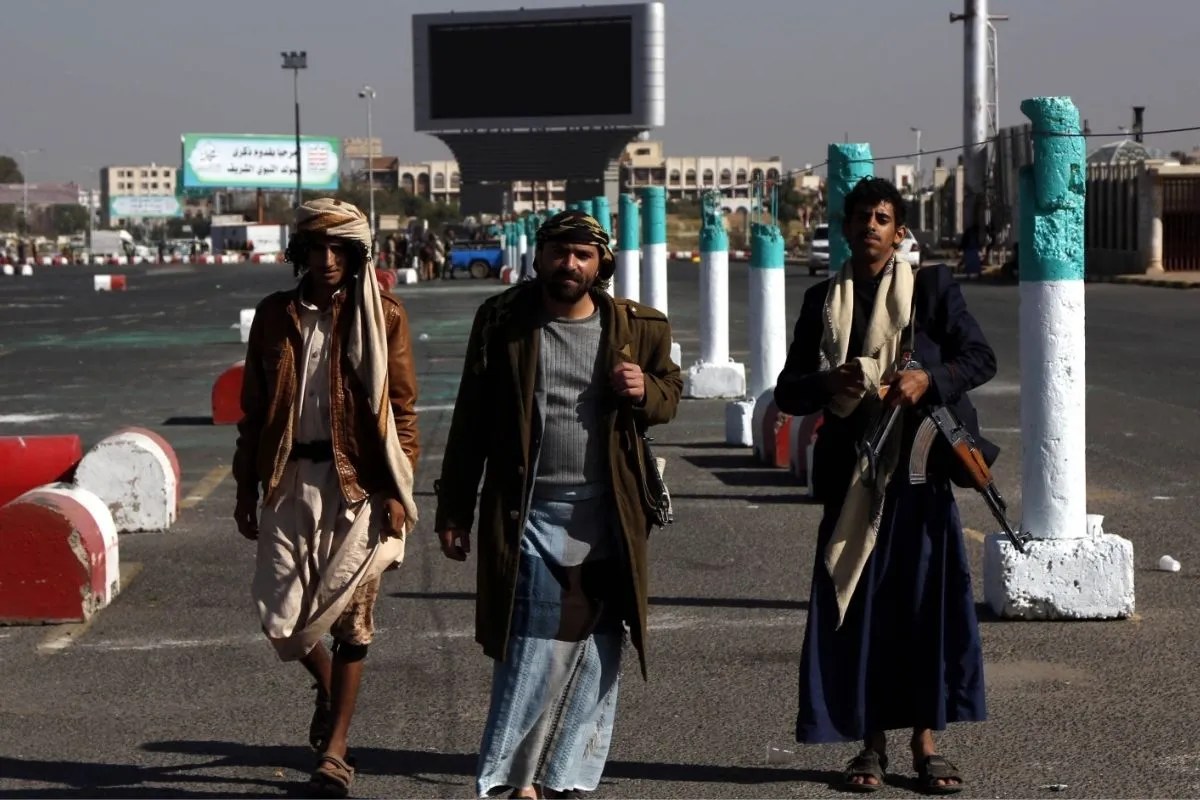
To understand how the movement maintains its liquidity, one must look closely at the administrative centers under its control. Governance in western and northern Yemen, including the capital Sanaa and the vital port of Hodeidah, operates under strict internal taxation frameworks.
Independent economic monitors and regional research groups estimate that the administration extracts hundreds of millions annually through structured customs duties, commercial levies, and road transport fees. Every truck crossing regional demarcation lines pays multiple tariffs. Commercial agencies operating within the territory face rigorous re-registration requirements. Thousands of traditional import licenses have been restructured or revoked, systematically channeling distribution rights toward business entities closely aligned with the movement's inner circle.
This is not random extortion. It is institutionalized revenue collection. By seizing control of the internal supply chain, the authorities ensure that basic food imports, construction materials, and manufactured goods all pass through revenue-generating checkpoints.
The Energy Monopoly and Fuel Distribution Networks
Energy markets represent the second major pillar of this financial structure. The global discourse often frames fuel scarcity as a humanitarian crisis—which it undeniably is for ordinary civilians. Yet, within the mechanics of conflict economics, supply bottlenecks and controlled distribution models create immense profit margins.
Since the early years of the civil conflict, fuel importation and distribution in western Yemen shifted from a fragmented open market into tightly managed commercial channels. Traders operating within these sanctioned or semi-sanctioned networks coordinate closely with administrative authorities to manage refined petroleum products.
Consider how this works in practice through a hypothetical scenario. If an independent fuel trader attempts to bypass centralized distribution hubs to sell cheaper petrol directly to regional markets, cargo seizures and administrative penalties quickly follow. Conversely, approved commercial networks operating under authorized permits secure guaranteed market shares. The resulting price controls and inflation differentials allow the governing authority to skim substantial margins from every barrel sold, turning a regional energy deficit into a consistent cash flow generator.
Shadow Channels, Hawala, and External Conduits
Restricted from accessing conventional international banking infrastructure due to multi-layered global sanctions, the movement relies heavily on alternative financial channels. Traditional hawala networks—informal, trust-based money transfer systems spanning the Middle East, East Africa, and South Asia—facilitate cross-border transactions without leaving standard digital footprints in Western banking ledgers.
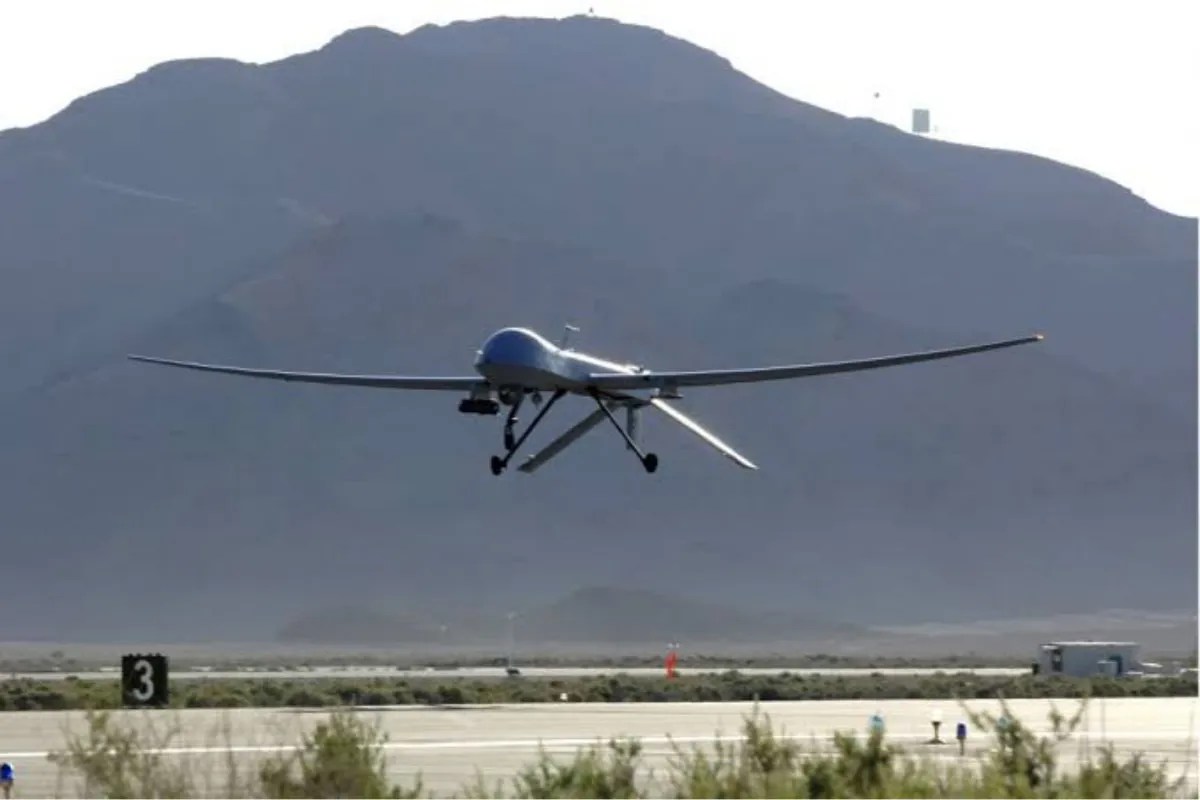
Furthermore, investigations by compliance firms and international oversight bodies highlight an increasing reliance on digital assets. Tether and other stablecoins frequently move through international intermediaries, converting cash proceeds from local trade into decentralized digital tokens. These funds are then utilized by procurement agents operating in foreign jurisdictions to acquire dual-use components, drone parts, and logistical supplies.
External support continues to play a role, but external funds alone cannot sustain a prolonged military campaign of this scale without a self-generating internal engine. The convergence of domestic taxation, restructured commercial monopolies, and adaptive financial routing has insulated the leadership from conventional economic pressure.
Sanctions can disrupt specific shipping lanes or target individual exchange houses, yet the underlying apparatus adapts by shifting liquidity into deeper shadow networks. Until international strategies move beyond naval defense and focus on dismantling the domestic commercial structures sustaining these operations, the financial engine powering the Red Sea crisis will continue to hum unchecked.