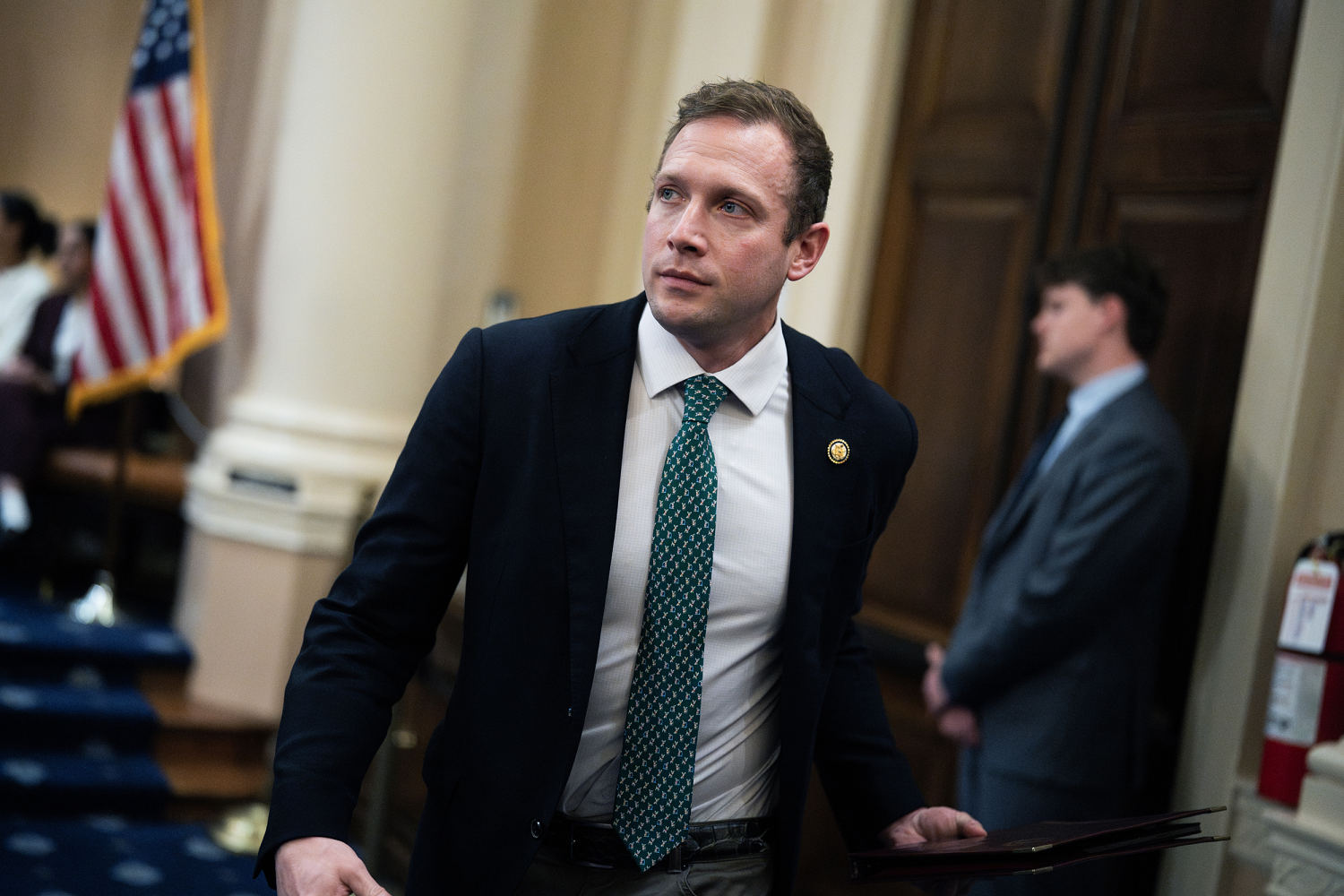
Rep. Max Miller took the unusual step of filing paperwork requesting a House Ethics Committee investigation into his own conduct, attempting to flip the narrative amid explosive domestic abuse allegations raised by his ex-wife, Emily Moreno, who is the daughter of Republican U.S. Senator Bernie Moreno.
The announcement, broadcasted on social media, arrives as political pressure intensifies on the Ohio Republican to abandon his reelection campaign. By calling for a self-referral to an investigative body known for sluggish timelines and strict procedural blockades, Miller has deployed a classic political deflection strategy.
The Mechanics of a Self-Requested Inquiry
On paper, asking to be investigated sounds like transparency. In the ecosystem of Capitol Hill ethics, it is often a procedural shield.
The House Ethics Committee operates under constraints that make a rapid or transparent resolution nearly impossible. Under standard institutional rules, the committee faces internal reluctance to act on politically sensitive matters during election cycles, alongside a formal prohibition against launching new investigations within sixty days of an election.
When a member petitions for an inquiry into their own behavior, they dictate the terms of engagement. It shifts the media framing from a defensive posture to an offensive demand for exoneration. Miller stated that he would provide all necessary documents to clear his name, transforming a public scandal into a drawn-out administrative loop.
Even if the committee votes to accept the referral once Congress returns from recess, any findings would take months to materialize. Should the legislative calendar turn or a new Congress be seated before a report is finalized, the inquiry would effectively expire, requiring a complete reauthorization.
Escalating Pressure from Family and Colleagues
The urgency behind Miller's maneuver stems from a crumbling firewall of private containment. For months, court filings, police reports, and investigative reporting detailed a turbulent domestic environment.
The public scrutiny intensified sharply when Senator Bernie Moreno publicly broke his silence, describing the situation as the "seventh level of hell" and labeling his former son-in-law a physical danger to his daughter and two-year-old granddaughter. Senator Moreno's public condemnation shattered the quiet isolation that usually protects sitting members of Congress from intra-party fallout.
Compounding the crisis, recent legal disclosures in the ongoing custody battle involved a severely mishandled document exchange that inadvertently exposed sensitive images. While Miller's legal team took sole responsibility for the administrative error, the ensuing public backlash galvanized both Democratic critics and anxious Republican strategists who fear the district could become a liability in November.
The Strategy of Institutional Gridlock
Historically, congressional ethics investigations are designed to protect the institution rather than deliver swift justice to the public. By leaning into this bureaucracy, Miller accomplishes several goals at once.
He neutralizes calls for immediate resignation by pointing to an ongoing "official process." He creates an administrative talking point for his campaign team, reducing detailed factual inquiries into a partisan dispute over paperwork and document submission timelines.
The strategy relies on voter fatigue. Complex custody disputes, contested police records regarding a child's broken collarbone, and competing narratives of domestic altercations do not easily translate into thirty-second campaign ads. By burying the dispute inside a congressional committee, Miller bets that the public will lose track of the underlying facts before Election Day arrives.