The United States officially stripped Syria of its decades-old State Sponsor of Terrorism designation, dismantling a sanctions architecture that had locked the war-torn country out of the global financial system since 1979.
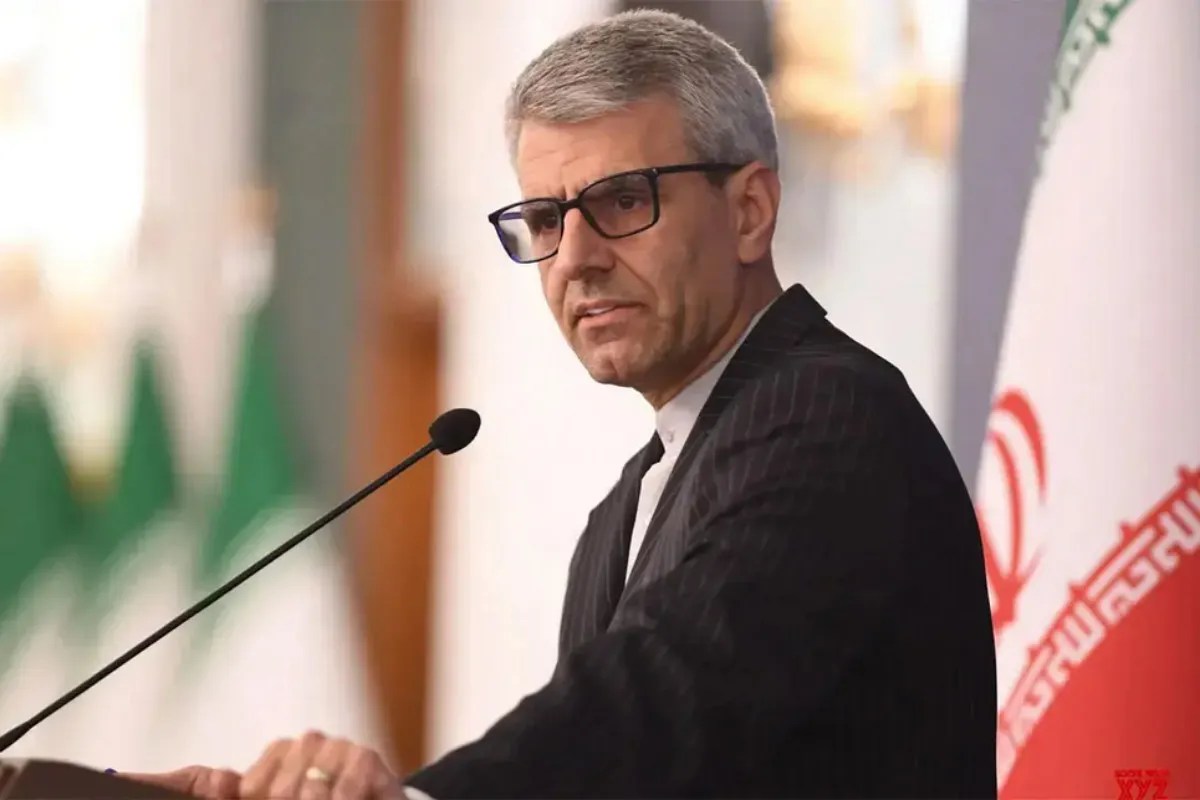
This sweeping executive maneuver by the Trump administration also revoked the global terrorist designation for Hay'at Tahrir al-Sham, or HTS. The militant faction, formerly known as the al-Nusra Front and once deeply aligned with al-Qaeda, seized Damascus in December 2024 and unseated the half-century dynasty of the Assad family. Now, Ahmed al-Sharaa—better known by his nom de guerre Abu Mohammed al-Jolani—sits in the presidential palace, presiding over a diplomatic rehabilitation that few foreign policy veterans thought possible.
Washington is betting that normalizing relations with a reformed insurgent group will yield stability in a fractured region. Yet the sudden erasure of this blacklist opens a Pandora's box of legal, ethical, and geopolitical contradictions that foreign policy architects are eager to sweep under the rug.
The Mechanics of Structural Whiplash
To understand how a nation transitions from an international pariah to a Washington-favored administration overnight, you have to look past the diplomatic communiques and examine the bureaucratic machinery. For over forty years, the terrorism label functioned as an economic anchor. It choked off foreign direct investment, criminalized humanitarian exceptions through suffocating compliance loops, and isolated the central bank from the Society for Worldwide Interbank Financial Telecommunication network.
When the Department of the Treasury issued its corresponding sanctions relief alongside the State Department's order, the bureaucratic dam broke.
General licenses that previously required agonizingly slow administrative waivers were rendered obsolete because the underlying designations vanished. Secretary of State Marco Rubio framed the decision as a direct path to prosperity for the Syrian populace. Treasury Secretary Scott Bessent echoed that sentiment, emphasizing that the move aims to spark capital injection and reconstruction.
Reality rarely bends so neatly to administrative decrees.
Decades of civil war reduced vital infrastructure to rubble, millions remain displaced, and regional heavyweights like Israel continue to launch kinetic strikes against military targets within Syrian borders. Erasing a label on a Washington spreadsheet does not instantly pour concrete, secure electrical grids, or rebuild fractured societal trust.
Whitewashing the Insurgent Past
The most legally contentious component of the recent action is not the state delisting itself, but the concurrent absolution of HTS.
Washington spent years hunting down al-Nusra operatives. Intelligence agencies mapped their command structures, tracked their funding networks, and categorized them as an imminent transnational threat. Al-Sharaa's deliberate rebranding effort—casting off explicit al-Qaeda ties in 2016 and orchestrating a calculated transition from jihadist commander to pragmatic statesman—has been accepted at face value by the White House.
This sets a dangerous precedent in international jurisprudence.
When an armed group can shoot its way to state power, rebrand its leadership, and secure full international legitimacy within less than two years, the deterrent value of global terrorism blacklists evaporates. It rewards tactical opportunism over genuine institutional reform. Western diplomats whisper privately about the necessity of dealing with the de facto authority on the ground. Pragmatism has officially swallowed accountability.
The Regional Fallout and Economic Mirage
Neighboring capitals are scrambling to interpret the new normal. Ankara has applauded the decision, viewing the normalization of Damascus as a critical step toward border security and refugee repatriation. Conversely, security analysts in other regional nodes are eyeing the lifting of export restrictions and potential military aid with deep apprehension.
The risk of diversion is high.
Without robust institutional watchdogs inside Syria, incoming capital and dual-use technologies could easily find their way into the hands of unvetted remnants or rival factions. The Treasury Department insists its posture against global bad actors remains vigilant, but policing a shattered state that is suddenly flooded with foreign cash is an enforcement nightmare.
Foreign investors are notoriously risk-averse. Even with the legal barriers removed, corporate boardrooms will hesitate. Insurance underwriters will demand guarantees that do not currently exist. Title deeds are contested, property rights are nonexistent, and the ghost of the Caesar Syria Civilian Protection Act still haunts international lenders who fear residual compliance traps.
The stroke of a pen in Washington ended an era of isolation. Whether it marks the birth of a stable republic or simply the next volatile chapter in an unfinished conflict remains entirely unwritten.