If you try to understand Iranian politics by looking at its parliament or its president, you’re looking in the wrong place. Most people see the word "Republic" in "Islamic Republic of Iran" and assume it functions like a democracy. That is a massive mistake.
Iran is a hybrid system. It takes the skin of a modern state—elections, a constitution, a president—and wraps it around a core of absolute clerical authority. As of March 2026, this system is undergoing its most intense stress test since the 1979 revolution. With the death of Supreme Leader Ali Khamenei following recent strikes, the mechanism of power is shifting in real time.
The Supreme Leader isn't just a figurehead
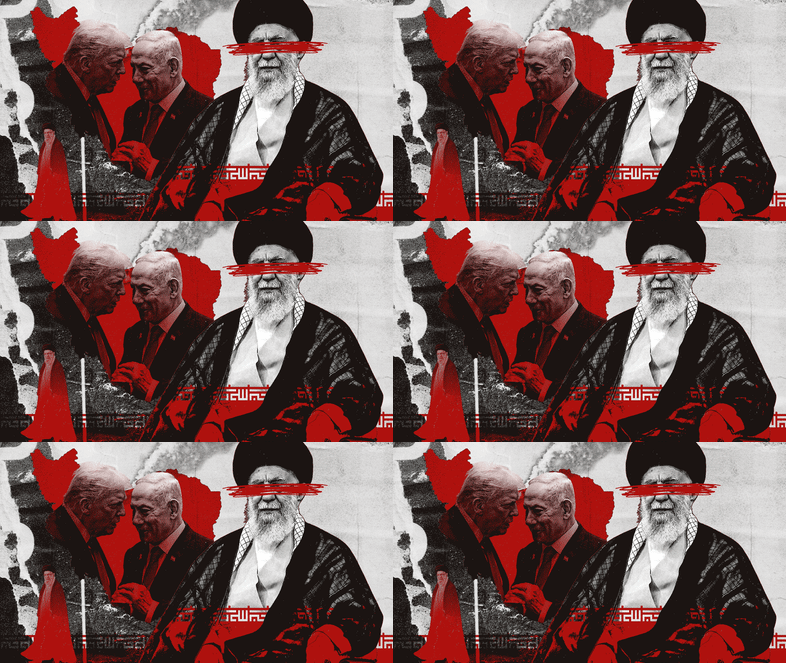
For decades, the Supreme Leader was the undisputed center of gravity. He is not elected by the people. He is selected by the Assembly of Experts, an 86-member body of clerics. Once in power, he holds the final word on everything that actually matters: military strategy, foreign policy, and the country’s nuclear program.
Think of the President of Iran as a CEO with very limited authority. He manages the day-to-day economy and local issues, but he doesn't control the armed forces or intelligence services. Those fall directly under the Supreme Leader's orbit.
The Provisional Council
With Khamenei gone, Article 111 of the Iranian Constitution has kicked into gear. A Provisional Leadership Council is now managing the state. This consists of:
- The President of Iran
- The Head of the Judiciary
- A cleric from the Guardian Council
This is a temporary measure designed to keep the lights on while the Assembly of Experts hunts for a permanent successor. The presence of a Guardian Council cleric is crucial. It ensures the "Guardianship of the Jurist" doctrine remains the North Star of the state, regardless of who ends up leading.
The gatekeepers of power
You cannot understand Iran without looking at the institutions that make sure the "wrong" people never get near power.
The Guardian Council
This is the ultimate filter. These 12 people—six clerics appointed by the Supreme Leader and six lawyers recommended by the judiciary—hold the power to disqualify any candidate for president or parliament. If they don't like you, you aren't on the ballot. Period.
The Islamic Revolutionary Guard Corps
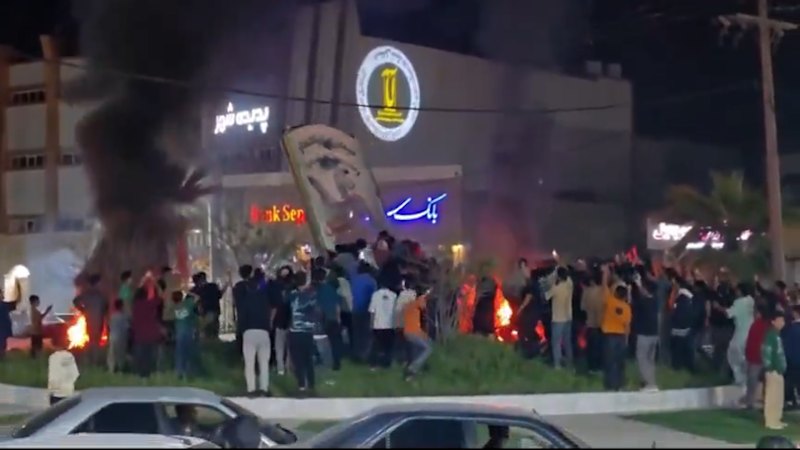
The IRGC is far more than an army. It’s a state within a state. It controls vast swaths of the economy, handles domestic security, and acts as the regime's muscle. When protesters hit the streets, it’s the IRGC and its affiliated groups that determine how the state reacts. Its influence over who becomes the next leader is arguably more important than the formal voting process.
Why the system feels so contradictory
If you are confused by the blend of elections and authoritarianism, you are paying attention. The system is intentionally designed to be opaque. It allows for "limited pluralism." You see debates in parliament, you see people campaigning, and you see different factions—reformist vs. hardliner—trading barbs.
But this is theater. It functions within the tight constraints set by the Supreme Leader. The regime uses these elections to maintain a sense of popular legitimacy while ensuring that the core ideology of the state remains unchallenged.
What to watch for in 2026
Succession is the biggest story in the Middle East right now. The regime is currently negotiating its own survival.
- Internal cohesion: Watch the security forces. If they stay united, the regime stays standing. If cracks appear between the IRGC and the clerical establishment, the entire structure could be at risk.
- Economic pressure: The impact of ongoing international sanctions is a constant, grinding force on the government's ability to maintain its patronage networks.
- Successor selection: The Assembly of Experts is under massive pressure. They need someone who can command the loyalty of the security establishment while keeping the traditional clerical base happy.
If you want to track where Iran is going, look at the individuals currently being groomed by the IRGC and the top religious schools in Qom. The formal title of "President" or "Speaker of Parliament" is often a distraction. The real power is always found in the quiet, unelected backrooms where the security and religious elites meet. Pay attention to who is granted access to these spaces. That is where the future of the state is being decided today.