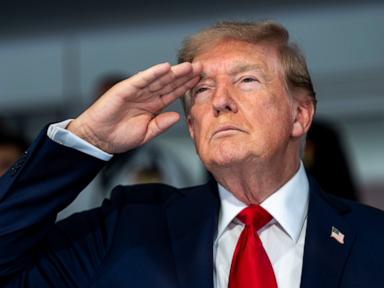
The air inside the convention hall in Texas carries that heavy, familiar electricity. It is a distinct brand of anticipation, thick with the scent of cheap coffee, hairspray, and the quiet desperation of political machinery grinding into gear. Outside, the heat radiates off the asphalt in shimmering waves. Inside, thousands of delegates, organizers, and everyday citizens wait. They are waiting for a signal. They are waiting to see which direction the wind is blowing.
Midterms are never just elections. They are referendums on fatigue.
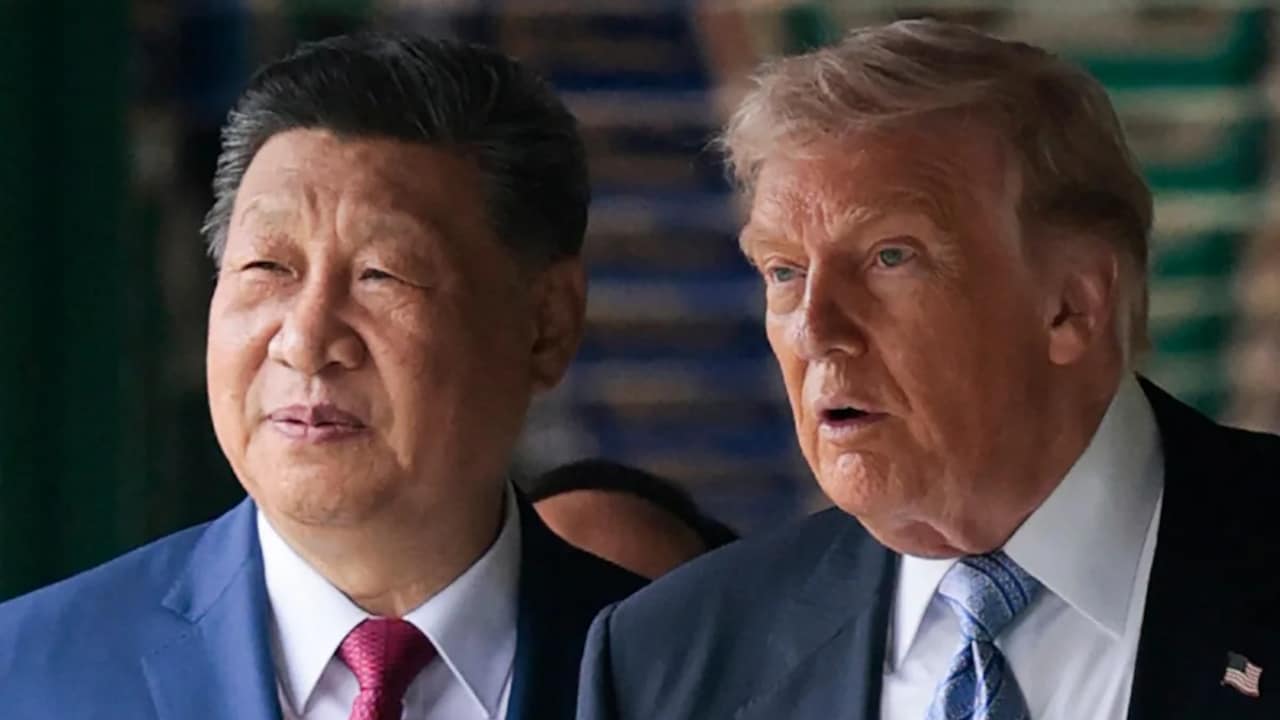
Consider what happens next: Donald Trump and JD Vance step onto the keynote stage. To the casual observer across the country watching a pixelated livestream, it is simply another rally, another speech filled with familiar cadences and well-worn talking points. But walk the floor of this Texas convention. Talk to the precinct chair from a county with more cattle than people, or the young mother volunteering her weekends because she feels the ground shifting beneath her feet. For them, this moment is a barometer of survival.
The political calendar is relentless. Long before the ballots are printed, the architects of power draw their battle lines in dust and dollar bills. Texas has long functioned as a conservative stronghold, a fortress of red on election night maps. Yet, beneath the surface bravado, anxiety hums. The demographics are shifting. The suburbs are restless. Every political strategist in the room knows that the midterms are where momentum is either captured or lost forever.
Trump remains the undisputed gravity of the movement. Every orbit is pulled toward him. When he speaks, the room inhales and holds its breath. He does not just deliver a speech; he articulates a grievance, a defiance, and a promise that the world left behind by rapid modernization can be reclaimed. Beside him, Vance represents the intellectual armor of that same grievance—the rust-belt populist translation of an American dream that feels increasingly out of reach to the working class.
Match that leadership duo with the specific energy of Texas, and you get a chemistry experiment with high volatility.
Texas politics has always worn a pearl-handled revolver on its hip. It is proud, stubborn, and fiercely independent. Hosting the midterm convention here is a deliberate strategic choice. It signals to the Republican base that the heartland still beats loud, even as coastal pundits write obituaries for traditional conservatism. It is a rallying cry designed to drown out the noise of internal party friction and project absolute unity.
Listen to the murmurs in the hallways between the grand speeches. You hear the friction. You hear the older guard, those who remember the Reagan era of polished optimism, wrestling with the aggressive, populist posture of the modern party. You hear young activists who care less about party history and more about inflation, housing costs, and cultural preservation. They are uneasy allies bound together by opposition to the current administration.
Unity is an illusion forged in fire.
The keynote addresses by Trump and Vance are meant to cool that fire into steel. They lean into the narrative of restoration. They point to the border, to the grocery bill, to the cultural fault lines that divide neighborhoods and thanksgiving tables alike. They do not offer complicated policy papers. They offer an identity. They offer a shield against a culture that many in this room feel is moving too fast and leaving them behind.
Step back for a moment and look at the broader canvas. Across the nation, voters are exhausted. They are tired of the constant state of emergency, the fractured media landscape, and the sense that institutions are failing. This weariness is fertile ground for populist storytelling. People do not vote purely on spreadsheets; they vote on stories. And right now, the story being told in this Texas convention center is one of an America under siege, waiting for its champions to sound the charge.
Critics call it grievance politics. Supporters call it truth-telling. The reality, as is so often the case, lives in the uncomfortable space between those two poles. The grievances are real, born of stagnant wages, broken supply chains, and a profound cultural disconnect between rural towns and urban centers. Whether the proposed solutions match the scale of the crisis is an entirely different question, one that voters will answer when November arrives.
As the final applause echoes against the rafters and the television cameras power down, the delegates stream out into the blinding Texas sun. They carry back home not just campaign merchandise, but a narrative. They have their marching orders. The stage lights dim, but the machinery keeps turning, relentlessly grinding toward a midterm reckoning that will test the endurance of a fractured nation.