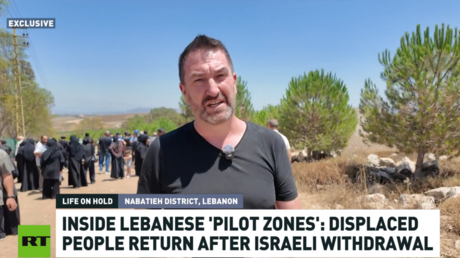
Media coverage surrounding regional displacement in conflict zones routinely collapses complex geopolitical realities into simplified, single-variable tragedy porn. When reporting focuses exclusively on surface-level human suffering without mapping the operational strategies, non-state proxy mechanics, and long-term economic structures at play, it actively misinforms the public.
Mainstream networks repeatedly fall into the exact same structural trap: treating civilian movement purely as a passive byproduct of external aggression, while completely ignoring the calculated tactical maneuvers of local armed factions. Learn more on a connected subject: this related article.
The One-Dimensional Victimhood Trap
Look at standard conflict coverage today. The formula is painfully predictable. Camera crews drop into temporary shelters, record emotional soundbites from distressed families, and attribute the entire crisis to a single foreign adversary.
It is bad journalism. It ignores the strategic architecture of modern asymmetric warfare. More journalism by TIME explores similar perspectives on this issue.
When non-state armed groups embed command infrastructure, weapons caches, and tactical transit corridors directly within dense civilian populations, displacement isn't just an unfortunate side effect—it is an explicit, calculated component of their defense strategy. These groups rely on civilian density as human shields to hamper precision targeting, knowing full well that any forced evacuation instantly generates an easy media narrative against their opponent.
By failing to highlight how local paramilitaries actively turn residential zones into contested combat sectors, news outlets essentially act as useful idiots for propaganda campaigns.
Dissecting the Structural Failures
To actually understand why people are forced to flee border regions, you have to dissect three overlapping layers that standard news reports refuse to touch:
- Tactical Urban Exploitation: Guerilla forces deliberately build rocket sites, underground bunkers, and communications hubs inside residential neighborhoods.
- Economic Fragility: Long before kinetic conflict erupts, endemic political corruption and systemic economic failure render border communities completely incapable of absorbing minor supply chain shocks.
- Coercive Governance: Local militant factions routinely control local infrastructure, restricting civilian mobility or manipulating aid distribution to maintain operational control.
"A narrative that isolates a single day of shelling while ignoring ten years of institutional militarization is not news—it is curated advocacy."
Consider a simple structural breakdown comparing surface-level media narratives with the actual operational reality on the ground:
| Surface-Level Media Narrative | Operational & Geopolitical Reality |
|---|---|
| Displacement is caused solely by sudden external aggression. | Displacement is the result of years of asymmetric military staging inside civilian zones. |
| Civilians are passive victims caught in an unforeseen event. | Local non-state actors actively leverage population density to deter counter-strikes. |
| Crisis resolution requires immediate external aid and pressure on one party. | Sustainable stability requires disarming non-state militias and restoring state sovereignty. |
The Fallacy of Short-Term Humanitarian Band-Aids
Every time a displacement crisis flares up, the immediate call from international pundits is to flood the zone with short-term emergency relief while demanding an immediate, unconditioned ceasefire.
This approach fails every single time.
Unconditional ceasefires without structural disarming merely allow embedded non-state actors to regroup, resupply, and fortify their positions deeper into civilian infrastructure. The next conflict cycle becomes exponentially more severe, leading to even larger waves of displaced families down the line.
If you actually care about long-term civilian stability, you have to stop accepting shallow, emotional coverage that rewards non-state actors for turning urban neighborhoods into battlefields. Demand real analysis, challenge cheap soundbites, and reject the lazy consensus.


