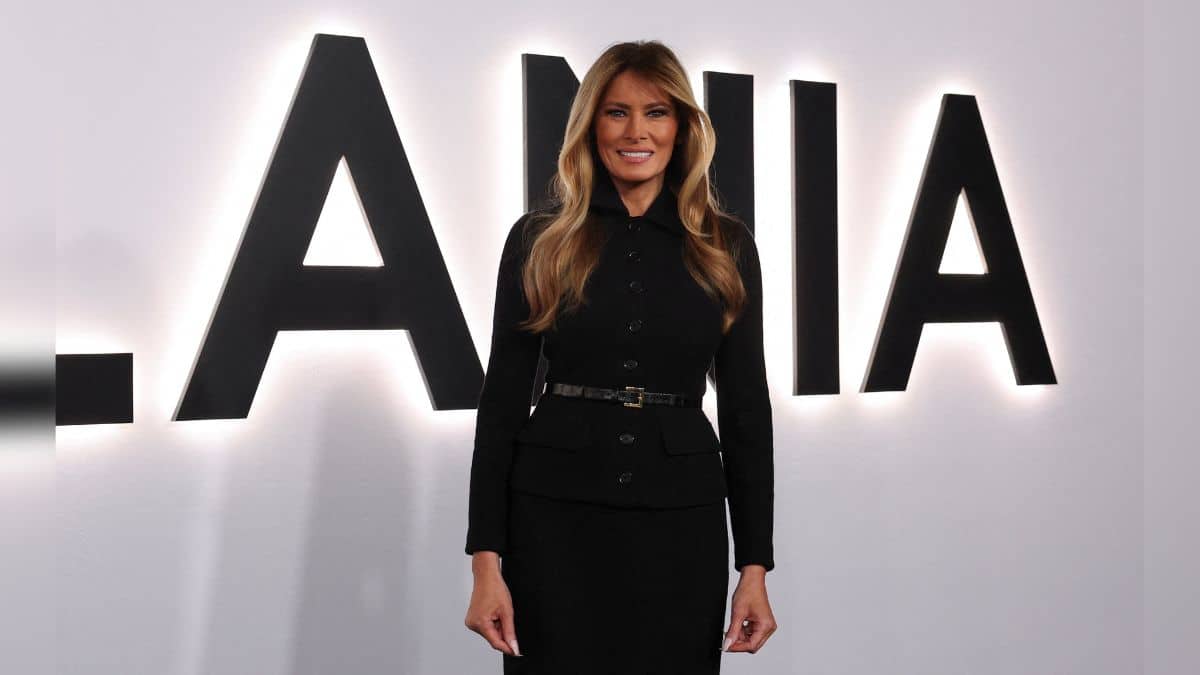
The United Nations has survived decades of bureaucratic bloat, geopolitical stalemates, and the occasional shoe-banging incident, but it has never seen a maneuver quite like this. By positioning Melania Trump to chair a session of the UN Security Council, the Trump administration isn't just testing the limits of international protocol. It is intentionally detonating them. This move marks the first time in the history of the global body that the spouse of a world leader will take the gavel in a chamber usually reserved for heads of state, foreign ministers, and career diplomats.
The move is legally permissible under the loose rules of the UN Charter, which allows member states to designate their own representatives for Council presidencies. However, the optics are a deliberate provocation to the "globalist" establishment that Donald Trump has spent years criticizing. For Melania Trump, a woman who has often maintained a carefully curated distance from the gritty machinery of policy, this is a sudden leap into the most high-stakes arena on the planet.
Power Without a Portfolio
Diplomacy is a game of status and reciprocity. When a nation sends a representative to the Security Council, they are sending a signal about how much they value the institution. By appointing the First Lady to this role, the White House sends two conflicting messages at once. To the domestic base, it is a sign of confidence in the family brand. To the international community, it is a shrug of the shoulders.
This isn't about traditional statecraft. It is about the personalization of power. In most democratic frameworks, unelected family members occupy a ceremonial space, championing literacy or historical preservation. They do not typically moderate debates on nuclear non-proliferation or regional conflicts in the Middle East. The Security Council is the only UN body with the power to issue legally binding resolutions and authorize military action. Placing a non-official in the chair suggests that the administration views the Council not as a serious legislative body, but as a stage for symbolic theater.
Critics argue that this undermines the professional diplomatic corps. Why maintain a mission of seasoned experts if the highest-profile tasks are handed to a family member? The counter-argument from within the administration is that Melania Trump provides a "direct line" to the Oval Office that no career diplomat could ever match. In their view, her presence provides a gravity that forces other nations to pay attention.
The Strategy of Disruption
Donald Trump’s relationship with the UN has always been transactional and frequently hostile. He has questioned its budget, its effectiveness, and its fundamental necessity. Using the First Lady as the face of the U.S. presidency at the Council is a tactical extension of that skepticism. It forces the other fourteen members of the Council—including rivals like Russia and China—into an awkward position. They must either treat her with the full deference of a head of state or risk offending a temperamental White House.
Breaking the Globalist Script
For decades, the UN has operated on a script of predictable, dry exchanges. Melania Trump’s chairmanship flips that script. Her platform, "Be Best," has focused on the well-being of children and online safety. If she brings those themes into the Security Council, she shifts the conversation away from traditional security architecture and toward "soft" issues that are harder for critics to attack without looking callous.
- The Gender Factor: The UN has long faced criticism for its lack of female leadership at the highest levels. The U.S. can frame this appointment as a "global first" for women, effectively using the UN’s own rhetoric against it to shield a controversial move.
- The Celebrity Shield: High-level diplomacy usually happens in the shadows. This chairmanship brings the glare of tabloid and lifestyle media into the Council chamber. This makes it much harder for other nations to engage in the usual technical obstructionism without looking like they are bullying a popular figure.
Potential Hazards in the Chamber
While the move is a PR masterstroke for a specific audience, it carries significant risks. The Security Council is a minefield of procedural traps. A chair must be able to navigate complex points of order, manage tense interactions between warring factions, and speak with an authority that comes from a deep understanding of international law.
If a crisis breaks out during her tenure—a sudden missile test, a coup, or a chemical attack—the First Lady will be the one tasked with coordinating the international response in real-time. In those moments, "symbolic representation" ceases to exist. There is only the cold reality of the gavel. If she falters, it isn't just a personal embarrassment; it’s a perceived weakness in American foreign policy.
The Reciprocity Problem
There is also the matter of what this allows other nations to do. Diplomacy relies on the principle of "tit-for-tat." If the United States decides that the spouse of a leader is a valid representative for the Security Council, it loses the moral and legal standing to complain when other nations follow suit.
Imagine a scenario where a regime with a dubious human rights record appoints a family member to chair a session on civil liberties. The U.S. would usually be the first to call this a mockery of the system. By breaking this glass ceiling now, the administration is effectively giving every other nation a pass to personalize their own UN delegations.
A New Era of Dynastic Diplomacy
The appointment of Melania Trump to this role is not an isolated incident. It is part of a broader trend where the lines between the state and the family are becoming increasingly blurred. We have seen this with senior roles given to other family members in the past, but the UN Security Council is a different beast entirely. It is the heart of the post-World War II international order.
For those who believe the UN is a relic of a bygone era, this move is a welcome disruption. They see it as a way to "humanize" a cold bureaucracy. For those who believe in the necessity of professional, expert-led diplomacy, it is a sign of a decaying system where name recognition carries more weight than years of service in the field.
The true impact will be measured by the output of the session she chairs. If the U.S. can move its agenda forward, the gamble will be hailed as a stroke of genius that bypassed the usual roadblocks. If the session devolves into a series of photo-ops with no substance, it will serve as fuel for those who believe the United States is withdrawing from its role as the world's primary diplomat.
Ultimately, the UN has always been a mirror of the world's power dynamics. Right now, that mirror is reflecting a world where the traditional rules of engagement are being rewritten by those who have no interest in following them. The gavel is in her hand, but the world is watching to see if she intends to use it to build a consensus or to signal the end of the consensus as we know it.
Watch the body language of the other ambassadors when the session begins. That will tell you more about the future of international relations than any official press release ever could.