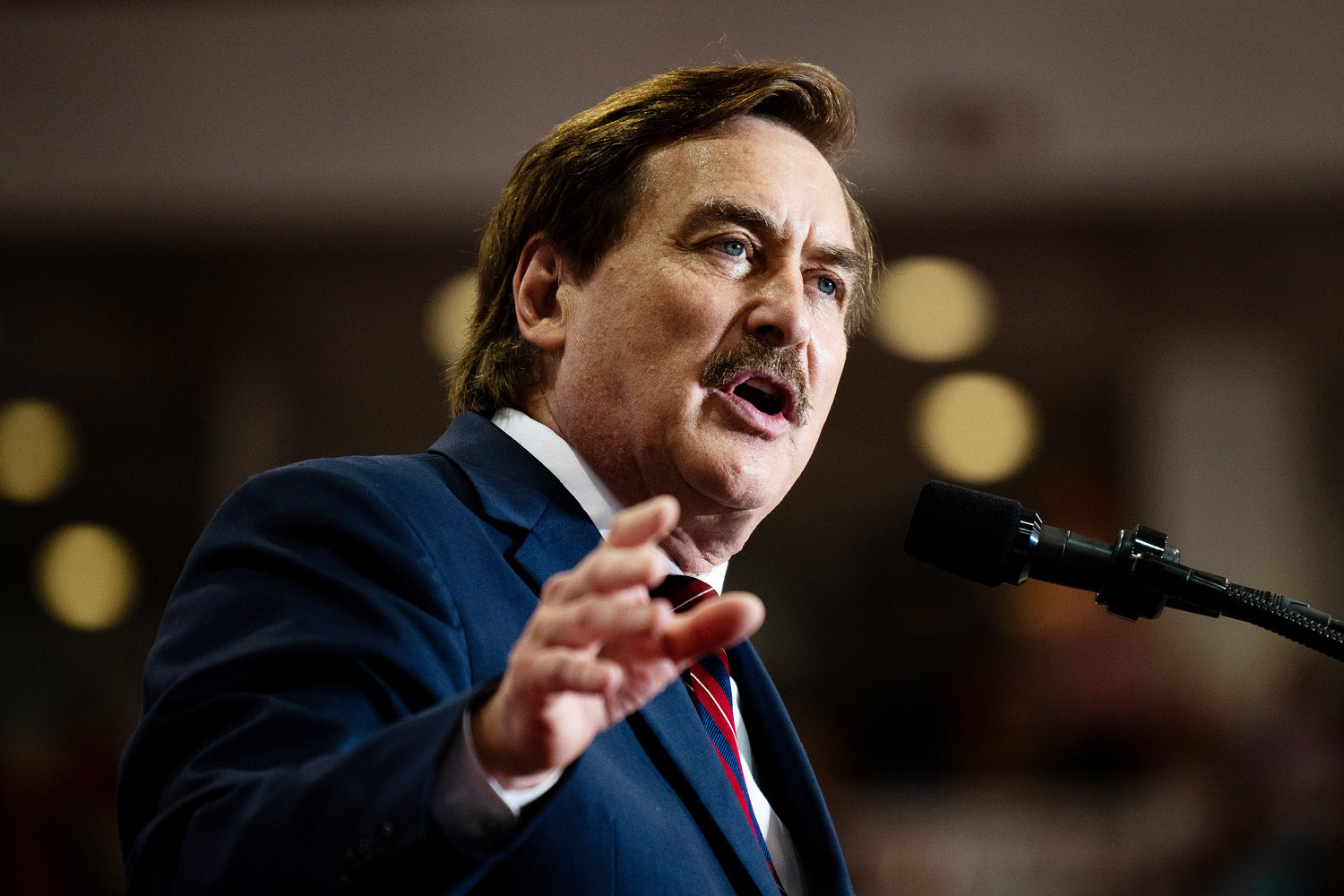
Mike Lindell expected a different outcome on primary night, but Minnesota voters handed the MyPillow founder a decisive double-digit defeat. Trailing House Speaker Lisa Demuth by roughly 45,000 votes in the Republican gubernatorial primary, Lindell quickly pivoted from candidate to challenger. Instead of accepting the numbers, he demanded a complete hand count. Then, at the final hour, he slammed the brakes and filed a lawsuit against state election officials instead.
If you've followed Lindell's post-2020 political trajectory, this move feels entirely predictable. Yet the mechanics of how this specific dispute collapsed reveal a fascinating clash between state election law and a candidate's refusal to play by standardized rules.
The Price Tag and the Breaking Point
Minnesota law doesn't trigger a publicly funded recount for a margin as wide as 11 percentage points. Automatic recounts are reserved for razor-thin races under 0.25 percent. Anyone else wanting a second look at the paper ballots has to foot the bill themselves.
State officials calculated the cost of a full statewide recount for the governor and lieutenant governor races at $825,000. Lindell initially claimed he was ready to wire the cash, even showing off proof of a planned transfer. He wanted every single ballot scrutinized, arguing that state data showed anomalies and votes going in reverse.
The friction started when the Secretary of State's office and a state canvassing board laid out the administrative framework for a discretionary recount. According to state rules and past precedent, a candidate-funded recount would specifically log votes by name for the primary contenders directly involved, while other candidate votes would get grouped into a separate column.
Lindell balked. He argued that a recount shouldn't narrow its focus strictly to the top two candidates, calling the state's procedural format a bait and switch. Rather than wiring the $825,000 by the midnight deadline, he withheld payment and turned to the courts.
Filing Suit Instead of Paying Up
Late on a Monday evening, Lindell's legal team filed an emergency petition with the Minnesota Supreme Court alongside a district court challenge. The lawsuit requests a temporary restraining order against the state, attempting to block officials from carrying out what Lindell calls a limited recount.
State officials responded plainly: because the deadline passed without a formal request and the required funds, no recount is happening. Lisa Demuth is moving forward to face Democratic Senator Amy Klobuchar in the upcoming general election, leaving Lindell's legal battles as his primary remaining vehicle.
This episode highlights the rigid boundaries surrounding election administration. Candidates can challenge outcomes, but they must operate within statutory guidelines that leave little room for customized auditing rules.