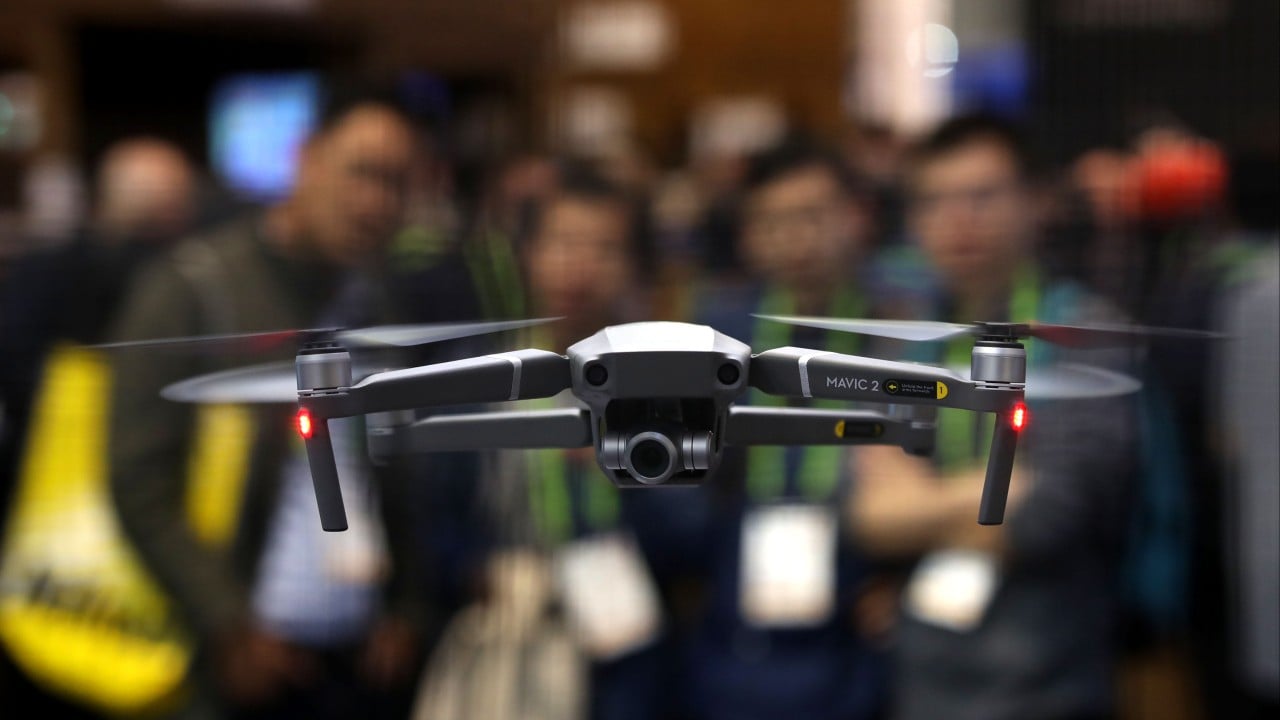
The headlines are celebrating a surge in order books for domestic defense tech. They point to packed pipelines, domestic procurement mandates, and photos of locally assembled quadcopters as proof that India has suddenly arrived as a drone superpower.
It is a comforting narrative. It is also completely wrong. For another look, check out: this related article.
What the mainstream financial press calls a boom in indigenous weaponized Unmanned Aerial Vehicles (UAVs) is actually an expensive exercise in component assembly and bureaucratic box-checking. We are celebrating order volume while ignoring strategic capability. If a conflict breaks out tomorrow, a massive portion of this heavily subsidized, celebrated fleet will be grounded within forty-eight hours.
The industry is cheering for a mirage. Similar analysis on the subject has been published by Ars Technica.
The Assembly Line Illusion
Open up almost any "indigenous" military drone currently rolling off an Indian assembly line. Strip away the painted composite hull and the nationalist marketing materials. Look at the core components inside.
What you will actually find is a global supply chain scavenger hunt.
The high-end optoelectronic payloads and thermal imaging sensors often come from Europe or Israel. The flight control microcontrollers, GPS modules, and electronic speed controllers (ESCs) are frequently imported. Even the raw carbon fiber or specialized electric motors are rarely manufactured from scratch domestically.
Calling these platforms indigenous because the final carbon fiber shell was baked in Pune and the wiring harness was soldered in Bengaluru is a dangerous misdirection.
True indigenization is not about where you turn the screws. It is about who owns the intellectual property of the silicon, the sensor architecture, and the source code.
If a foreign nation can halt your assembly line by cutting off an export license for a single $500 servo motor or transceiver chip, you do not have an indigenous drone industry. You have an outsourced packing plant.
The Silicon Stranglehold and the Software Fallacy
The fundamental flaw in the current defense procurement framework is the obsession with hardware over systems architecture. We treat drones like flying jeeps—mechanical assets that can be built by welding steel and bolting on engines.
Modern drone warfare is a software discipline wrapped in a plastic shell.
The conflict in Ukraine proved that off-the-shelf drone hardware becomes obsolete every two to three weeks. Why? Because Electronic Warfare (EW) environments are fluid. Russian and Ukrainian forces constantly iterate on frequency-hopping algorithms, custom encryption, and autonomous optical guidance to bypass signal jamming.
An Indian procurement system that takes three to five years to move a drone from Request for Proposal (RFP) to field deployment is fundamentally incompatible with the reality of modern tech cycles. By the time a domestic manufacturer fulfills a government order under current rigid specifications, the underlying electronic warfare counter-measures are already outdated.
Consider the software that runs these platforms. Many domestic startups rely on heavily modified versions of open-source flight stacks like ArduPilot or PX4. While these are excellent frameworks for commercial surveying or hobbyist racing, deploying them in a contested electronic warfare environment without deep, ground-up architectural rewrites is a massive risk. If your software engineers cannot modify the core firmware down to the register level to combat novel jamming frequencies on the fly, your fleet becomes expensive junk the moment an adversary turns on a high-powered jammer.
The Scale Problem Nobody Wants to Discuss
I have spent years looking at the operational metrics of hardware manufacturing. The harsh reality of aerospace production is that scaling from twenty prototypes to five thousand combat-ready units is where most companies die.
Right now, India’s domestic drone makers are surviving on low-volume, high-margin government development contracts. A company receives an order for fifty high-altitude loitering munitions. They celebrate. They build them using boutique, semi-manual processes.
But modern attrition warfare demands tens of thousands of units.
During peak periods of recent conflicts, thousands of small reconnaissance and strike UAVs were consumed every single week. To match that capability, you need a highly automated, automated precision manufacturing base. You need local semiconductor packaging facilities, domestic battery cell fabrication, and automated surface-mount technology (SMT) lines that can run twenty-four hours a day without relying on imported components.
India currently lacks this industrial depth for precision electronics. Celebrating a surge in order value for a few hundred platforms ignores the massive infrastructure deficit required to sustain a real drone war. We are building a boutique collection of gold-plated prototypes when we actually need an industrial meat grinder capable of churning out cheap, expendable, software-defined attrition assets.
Re-engineering the Procurement Pipeline
If we want to fix this trajectory, we must completely dismantle how the military buys technology. The current model rewards companies that are good at navigating bureaucracy, writing 500-page compliance documents, and lobbying for import bans on competing systems. It penalizes the true innovators who move fast and break things.
The defense establishment must shift from buying static hardware platforms to purchasing continuous capability.
Instead of signing a contract for five hundred specific drones to be delivered over four years, the military should contract for a "guided kinetic delivery capability" with rolling software and hardware updates mandated every quarter.
Furthermore, the criteria for "indigenous content" must be drastically tightened. The government should stop measuring indigenization by the total financial value of the components. It is incredibly easy to manipulate that metric. A company can import cheap electronics from overseas, write a massive invoice for "domestic system integration labor," and claim the drone is 70% indigenous by value.
Instead, indigenization must be measured by critical failure points. If a component cannot be replaced by a domestic alternative within ninety days during a total trade blockade, that component's origin dictates the true strategic vulnerability of the entire platform.
Stop looking at the rising stock prices of defense contractors. Stop reading the triumphant press releases about record-breaking order books.
Until India builds its own commercial semiconductor fabs, mints its own precision sensor foundry ecosystem, and treats drone development as a fast-paced software race rather than a slow-motion heavy engineering project, these surging orders are simply buying a false sense of security. We are manufacturing a fleet of paper tigers, and the clock is ticking.