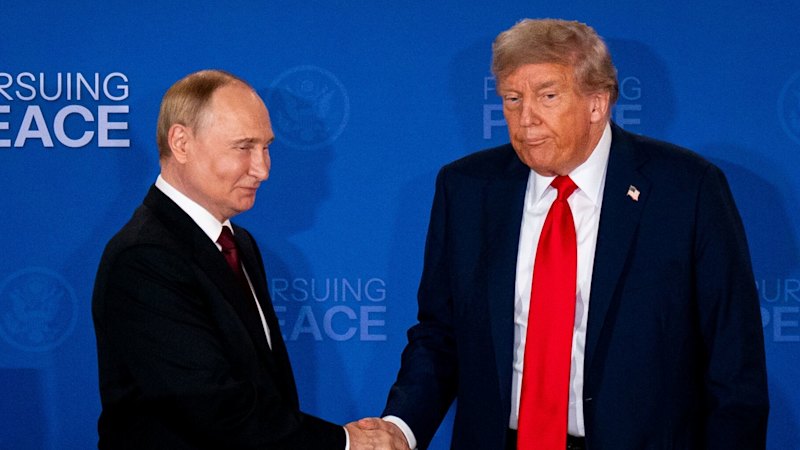
High fuel prices always carry a heavy political cost. When retail diesel costs spike past six dollars a gallon, voters notice, truckers scream, and politicians scramble for quick fixes. That is the reality that forced an unexpected pivot from Washington in late 2026. President Donald Trump announced an arrangement with Russian President Vladimir Putin to ease sanctions and channel Russian diesel into global and domestic markets.
The announcement caught international observers off guard. For years, Western leaders lectured allies about cutting off Moscow’s energy revenues. Yet, practical political pressures at home collided with geopolitical strategy. Looking past the political noise reveals a complicated web of legal friction, changing tanker routes, and stark economic realities that explain why this agreement turned into a logistical mess.
Why the White House Pursued an Energy Truce
Domestic fuel prices skyrocketed through much of 2026, creating severe friction for agriculture and logistics. With inflation hurting consumer sentiment and political pressure mounting ahead of midterm elections, finding immediate relief became an urgent priority.
The administration framed the arrangement as a pragmatic step to lower costs for consumers worldwide. By coordinating a temporary easing of economic barriers via the U.S. Treasury Department's Office of Foreign Assets Control issuing General License No. 135, the policy aimed to unlock hundreds of thousands of metric tons of Russian fuel. The core premise was simple on paper: inject more supply into the global market, and prices at the pump will drop.
The Reality of Sanctions Relief and Diverting Tankers
Real-world execution rarely matches political announcements. Almost immediately after the Treasury issued the six-month license permitting specific transactions, shipping data began telling a very different story.
Not a single drop of that sanctioned fuel made it into smooth, direct commercial delivery to American ports. Instead, state-level resistance flared up immediately. For instance, New Jersey officials warned local port operators and terminal managers about strict legal liabilities and potential penalties under existing federal statutes passed by Congress in 2022, creating a direct clash between state threats and federal waivers.
Faced with legal threats and hostile local jurisdictions, commercial carriers started changing course on the high seas. Tankers originally charted toward American shores drifted or rerouted, hunting for alternative buyers. Attempts to offload these cargoes onto other international buyers, such as traders in Brazil, hit roadblocks because alternative suppliers offered more attractive pricing relative to the Russian product.
Strategic Fallout and Geopolitical Costs
Critics point out a profound irony in the episode. Offering any form of sanctions relief provides a financial cushion to Moscow while the conflict in Ukraine continues. Independent tracking estimates indicate that Russian energy firms managed to export billions in diesel following the policy shift, even if the destination ports weren't American.
At the same time, traditional allies in Europe watched with frustration. Years of coordinated efforts to isolate Russia's petroleum sector were undercut by a unilateral U.S. policy shift designed to tame domestic inflation. Rather than stabilizing global markets smoothly, the move exposed deep cracks in Western economic solidarity and triggered domestic legal battles that paralyzed the physical delivery of the fuel.
The fallout demonstrates how hard it is to untangle global commodity markets from domestic politics. When emergency measures clash with existing legislation, local resistance, and complex maritime logistics, headline-grabbing deals often stall before they ever reach the finish line.