The kitchen counter is a battlefield of ordinary intentions.
On a Tuesday afternoon in any given suburb, a mother named Sarah slices a bright red jalapeño on a wooden cutting board. She is making dinner. She is listening to the radio hum in the background, thinking about permission slips and laundry, trusting the quiet machinery of the modern food supply. She assumes the pepper in her hand came from the earth, washed and delivered by a chain of strangers whose only job was not to poison her children.
She doesn’t know that miles away, in a sleek distribution hub, a quiet conference call has just ended. A spreadsheet has been updated. A recall has widened.
Trust is weightless until it breaks.
We live downstream from industrial agriculture, a vast, invisible river system of soil, shipping containers, and temperature-controlled trucks that feeds millions of strangers daily. When that system functions, it is a miracle of modern logistics. When it stumbles, it rattles the quietest corners of our domestic lives.
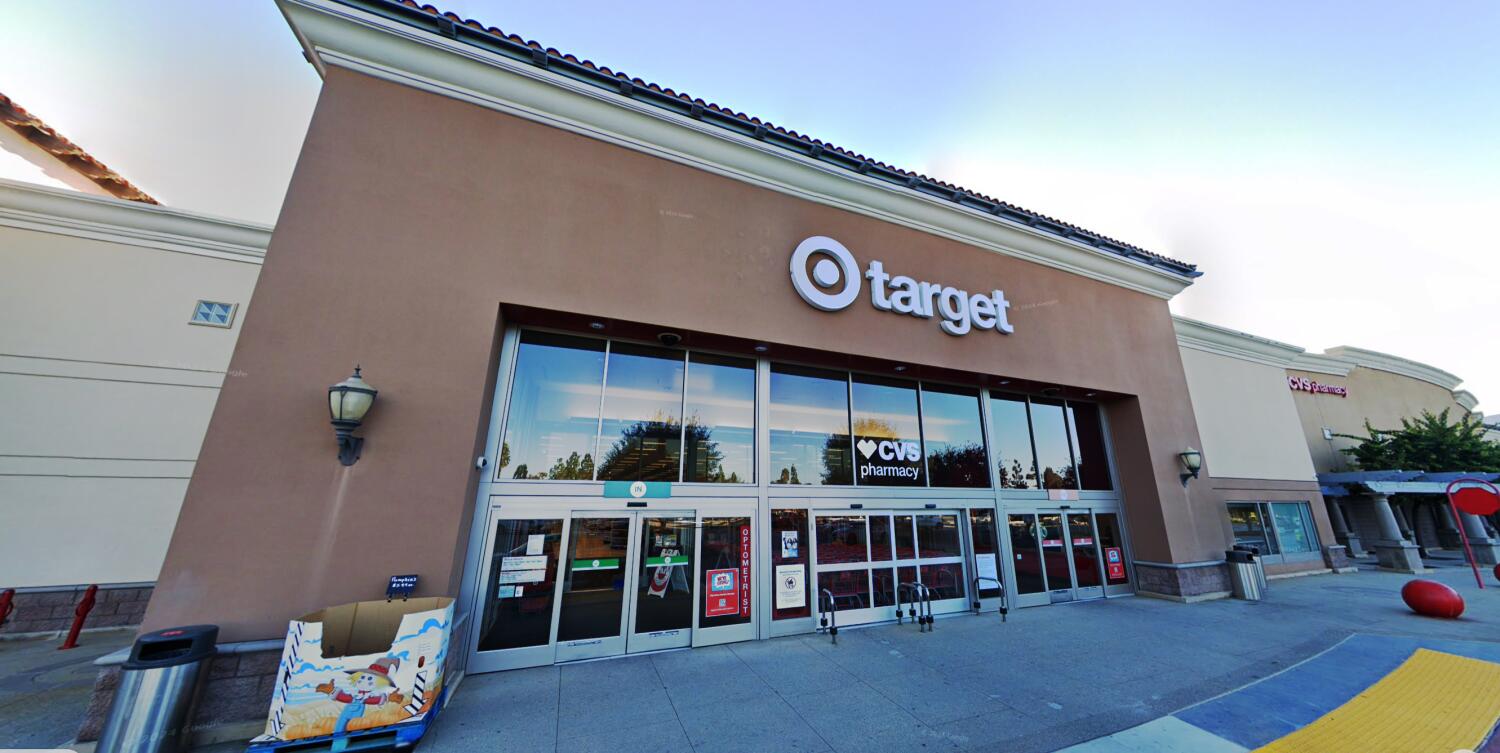
Consider what happened when Taylor Farms, a titan of fresh-cut produce, expanded its recall to pull jalapeños from the shelves of household giants like Trader Joe’s and Target. To a corporate risk manager, it is a matter of containment, logistics, and public relations mitigation. To a consumer, it is a sudden, sharp betrayal of the routine.
You buy a bag of chopped salad or a package of fresh peppers because you are trying to do something good for your body. You are choosing green over gray, freshness over preservation. You pay a premium for the convenience of speed. Then you open your phone and see a headline that makes your stomach drop.
Salmonella. Listeria. The Latin names of microscopic invaders that turn a harmless weeknight taco night into a medical emergency.
Let us step back for a moment. (Note: The following historical analogy is a hypothetical illustration of scale). Imagine a clockmaker who builds a cathedral clock with ten thousand tiny gears. If one gear is misaligned in Zurich, the bell in Paris chimes four minutes late. Now, multiply that clock by ten million, and replace the gears with agricultural produce harvested by hundreds of different hands across multiple states and countries, pooled together in centralized processing facilities.
That is the modern supply chain.
When a single batch of peppers tests positive for pathogens at a processing plant, the radius of impact expands like a drop of ink in a glass of water. It does not stay local. It travels on refrigerated semi-trucks down interstate highways, landing in the refrigerated bins of neighborhood grocery stores in half a dozen states simultaneously.
The Taylor Farms expansion wasn't just a bureaucratic update. It was a visible tremor from an invisible earthquake.
For the person who has never stared down a foodborne illness, the danger sounds abstract. A statistic on a government bulletin board. Symptoms may include diarrhea, fever, and abdominal cramps. But ask anyone who has spent forty-eight hours curled around a porcelain bowl, wondering if they need to wake their spouse and drive to the emergency room at three in the morning. That person understands the stakes.
Food safety is the ultimate invisible contract. We surrender control of our most intimate intake—the literal fuel of our cells—to corporations we will never meet, operating in packing plants we will never see. We trade self-reliance for efficiency. We let someone else wash our greens, chop our vegetables, and seal them in plastic bags.
Most days, the bargain holds.
Until it doesn't.
When a recall hits Trader Joe's or Target, the shockwaves are psychological as much as they are physical. These are not discount outlets operating in the shadows; these are the cathedrals of conscious consumerism. People shop there precisely because they believe those brands curate a cleaner, safer, more thoughtful version of capitalism. When the contamination reaches those shelves, it shatters the illusion of immunity. If not there, then where?
Behind every recalled lot number is a human cascade. There is the QA technician who spotted the anomaly in a lab report, feeling a cold knot in their stomach as they dialed their supervisor. There is the retail stocker who has to pull entire displays down while confused customers look on, holding shopping carts filled with organic produce. There is the harried parent standing in the kitchen, peering into a transparent plastic clamshell, wondering if the pepper they fed their toddler last night was part of the affected batch.
Uncertainty is more exhausting than bad news. Bad news is a heavy box you can finally put down; uncertainty is carrying a leaking bucket across a crowded room, never quite knowing how much you have lost.
We have built a food system optimized for speed, shelf life, and scale. We can get fresh jalapeños from distant farms onto a shelf in Minnesota in the dead of winter. But every optimization introduces a new vulnerability. Centralization means efficiency, but it also means that a single point of contamination can affect thousands of tables at once.
The recall notices will eventually fade from the news cycle. New shipments will arrive. The bins at Target and Trader Joe's will be restocked with crisp, bright vegetables, gleaming under fluorescent lights.
Sarah will go back to the store. She will pick up a new pepper, turn it over in her palm, and inspect it for blemishes. She will pay for it, take it home, and place it on her cutting board.
She will slice it. But she will do so with a slightly different rhythm, acutely aware that the world outside her kitchen window is vast, complicated, and entirely beyond her control.
The knife moves through the green flesh. The radio plays on.